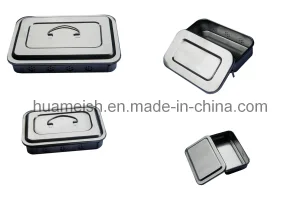
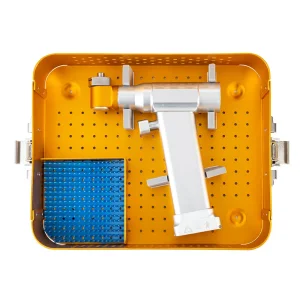
Highly durable, international-standard autoclave containers and clinical labware engineered for intensive reuse cycles.
The healthcare infrastructure of Afghanistan is undergoing critical transformation. With the rehabilitation of provincial clinics and the expansion of private and public hospital networks in major metropolitan areas such as Kabul, Herat, Kandahar, and Mazar-i-Sharif, the demand for high-grade sterile processing department (SPD) consumables and equipment has surged. In these environments, minimizing nosocomial infections and Surgical Site Infections (SSIs) is of paramount importance.
Unlike developed nations that rely heavily on single-use medical plastic wrapping which leads to massive medical waste challenges and logistical bottlenecks, Afghanistan's healthcare institutions are increasingly seeking reusable sterilization containers and packaging. These rigid container systems offer significant benefits, including:
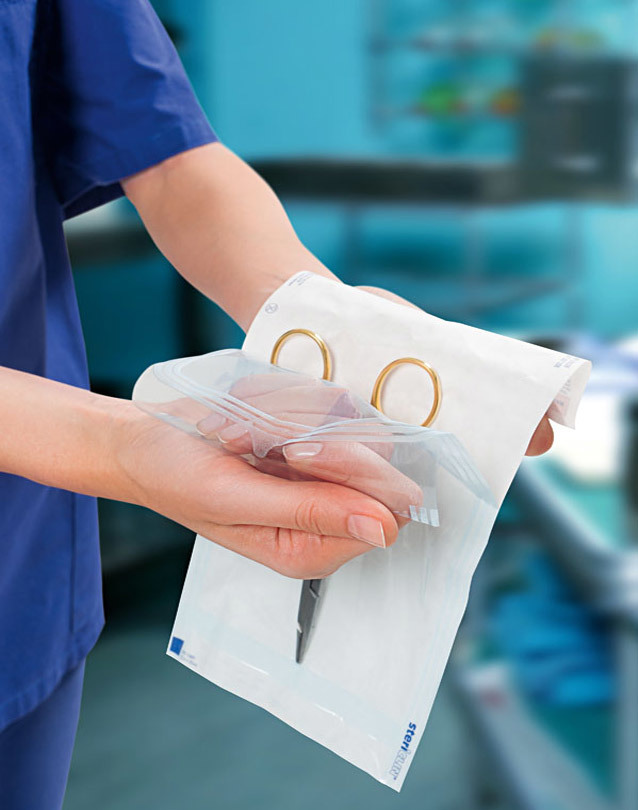
Adhering to strict international standards to ensure reliability, sterility maintenance, and patient safety.
All packaging designs must comply with EN ISO 11607 parts 1 and 2, which detail validation requirements for materials, sterile barrier systems, and packaging systems for terminally sterilized medical devices.
Exporting to transitional economies requires globally recognized marks. TUV and CE certifications assure local clinical engineers and international procurement agents of quality consistency.
Use of medical-grade anodized aluminum (such as 5000 or 6000 series alloys) or 304/316 grade stainless steel prevents corrosion during repeated autoclaving at 134°C.
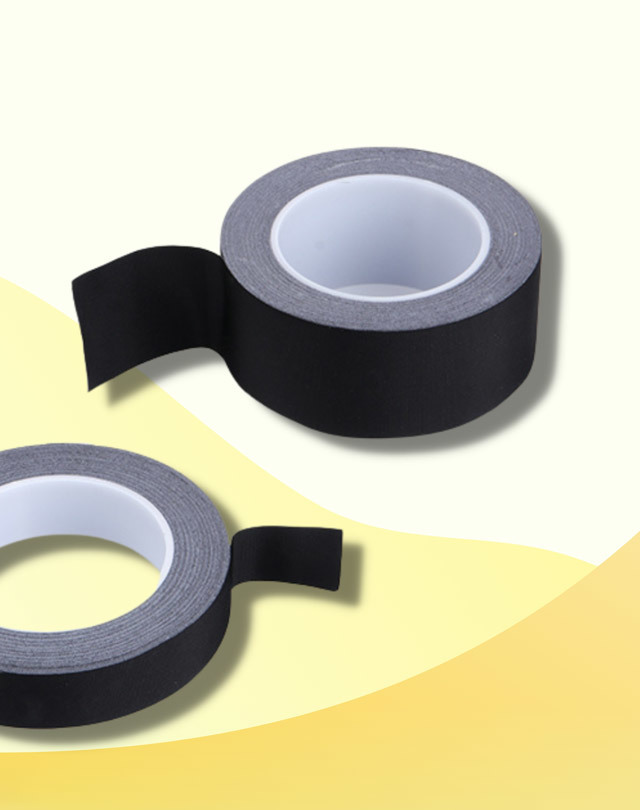
In modern medical supply chains, manufacturing excellence must be matched by robust logistics. Our production facilities operate on a Factory 4.0 blueprint—utilizing precision CNC robotic milling, automated mechanical polishing, and advanced color-anodization techniques that ensure perfect structural integrity and color-coded identification across clinics.
For buyers in Afghanistan, procurement is often complicated by overland transit issues. We address these challenges through structured logistical networks:
A trusted manufacturing partner for worldwide infection control markets.
Guangzhou Jalil Medical Co., Ltd. is a leading manufacturer and supplier specializing in medical sterilization packaging and tape for healthcare facilities worldwide. With years of experience in the infection control and medical packaging industry, we provide high-quality solutions that ensure the safety and sterility of medical instruments. Our product range includes sterile pouches, autoclave sterilization wraps, chemical indicator strips, and sterilization tapes, all designed to meet rigorous international standards.
Committed to quality and innovation, Jalil Medical operates modern ISO-certified production facilities, combining advanced machinery with strict quality control to deliver consistent, reliable products. We support OEM and ODM services, allowing healthcare providers and distributors to access customized solutions that meet specific operational and regulatory requirements.
Our products are widely used in hospitals, clinics, laboratories, and surgical centers, helping healthcare professionals maintain infection-free environments. By integrating cutting-edge materials, color-changing indicators, and peelable packaging designs, we enhance usability and safety, ensuring instruments remain sterile until use.
At Guangzhou Jalil Medical, our mission is to provide trusted, cost-effective, and environmentally responsible sterilization packaging solutions. We pride ourselves on excellent customer service, timely delivery, and continuous innovation to meet the evolving needs of the healthcare industry.
Whether for small clinics or large hospitals, Jalil Medical is a reliable partner for high-quality medical sterilization packaging and tape.
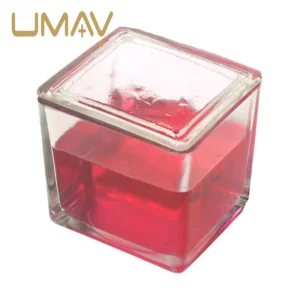
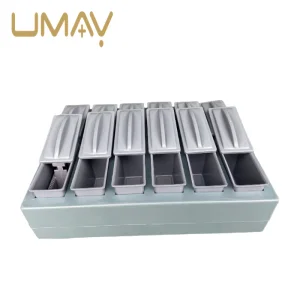
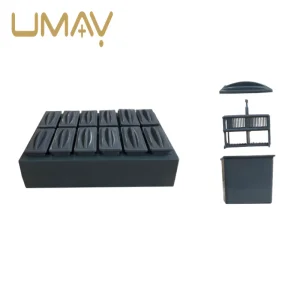
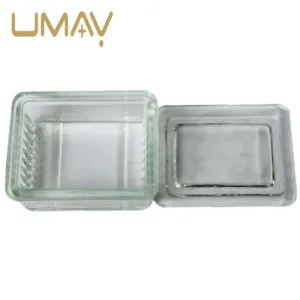
An extensive range of pathology labware, staining accessories, and specialized sterilization containers optimized for regional distributors in Central Asia.
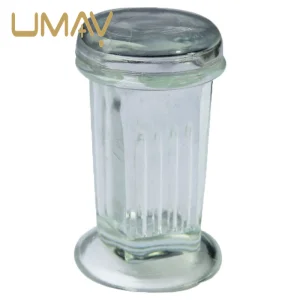
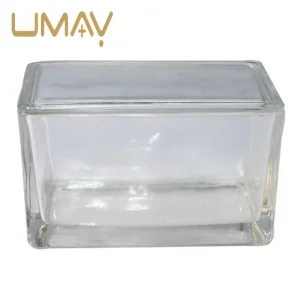
Expert insights on selecting and deploying sterile barrier packaging systems in challenging clinical environments.
 Jalil Medical