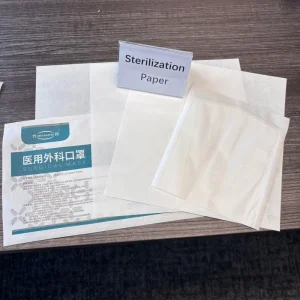
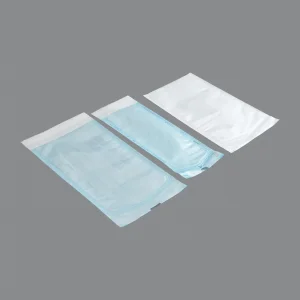
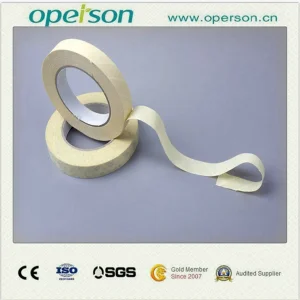
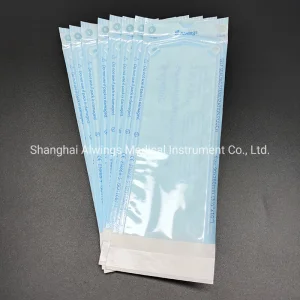
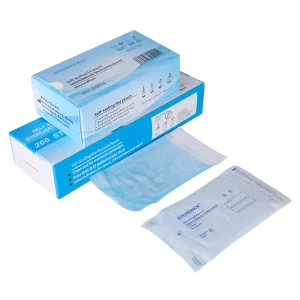
Direct access to our certified manufacturing portfolio, meeting international clinical standards.
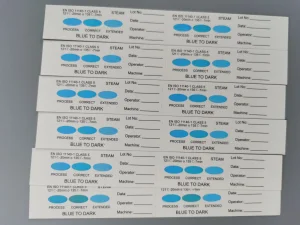
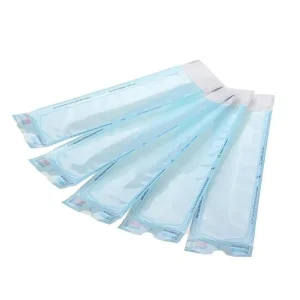
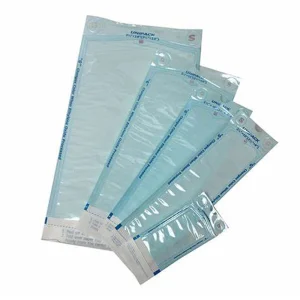
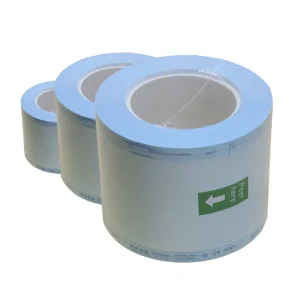
In global healthcare infrastructure, patient safety is inextricably linked to the integrity of medical device packaging. A Sterile Barrier System (SBS), specifically in the format of Sterilization Packaging Rolls (Sterilization Reels), is designed to allow sterilization agent penetration while acting as a rigorous microbial barrier to maintain asepsis of the medical device up to the point of use.
Regulatory frameworks like the European Medical Device Regulation (EU MDR 2017/745) and the United States Food and Drug Administration (FDA) classify sterilization packaging as a critical medical accessory. This classification places the onus of validation on the manufacturer under the rigorous ISO 11607-1 & -2 standards. This whitepaper analyzes the mechanical, chemical, and physical parameters that define the leading factories globally, with a specific focus on optimizing procurement routes and evaluating technical excellence.
B2B buyers, infection control managers, and procurement officers face complex challenges when validating sterilization packaging suppliers. Low-cost manufacturers often fail structural compliance due to microscopic fiber tearing upon peeling, causing particulates to fall onto sterilized tools. Below is an analytical checklist used to benchmark the elite tier of factories globally.
Top-tier factories operate ISO Class 8 (Class 100,000) or ISO Class 7 cleanrooms to ensure bioburden is strictly controlled prior to packaging sealing.
Premium manufacturers construct reels using original French ArjoWiggins or Swedish BillerudKorsnäs medical-grade paper, paired with multi-layer PET/PP copolymer films.
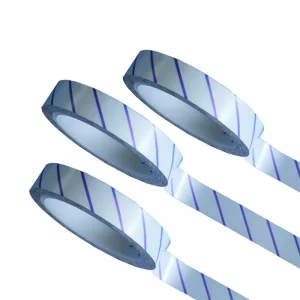
Water-based, non-toxic chemical indicators that exhibit distinct color changes under Steam, Ethylene Oxide (EO), and Formaldehyde sterilization modes.
| Evaluation Parameter | Industry Standard (Min. Requirement) | World-Class Factory Level (Top 10 Class) |
|---|---|---|
| Cleanroom Rating | Unregulated ambient factory floor | ISO Class 7 / Class 8 certified cleanrooms |
| Paper Weight | 50 g/m² - 55 g/m² industrial grade | 60 g/m² - 70 g/m² medical-grade Kraft |
| Sealing Window | Narrow (high risk of cold-seals) | Broad, stable sealing window (160°C - 220°C) |
| Bacterial Barrier Rate | No standard validation data | > 99.9% validation (EN 868-5 / ASTM F1608) |
Understanding the interaction between film and paper is vital. Sterilization packaging rolls are asymmetric laminates. One side is a porous medical-grade paper designed to allow the passage of gaseous sterilants like Ethylene Oxide (EO) or high-temperature water vapor. The opposite side is a transparent, multi-layer polymer film (typically polyethylene terephthalate / polypropylene copolymer).
The bond strength between these two layers must be perfectly balanced. Under ISO 11607-1, seal strength testing (ASTM F88) and dye penetration testing (ASTM F1929) are used to prove that the seals are airtight yet clean-peeling. Clean peeling is defined by the absence of paper shredding. When standard non-medical paper is peeled, microscopic cellulose fibers release into the sterile field, potentially contaminating surgical sites and leading to post-operative infections.
The geopolitical shift in medical supply chains has highlighted the importance of manufacturer resilience. China's advanced manufacturing hubs, particularly in Guangdong, have adopted Factory 4.0 principles. Through integrated smart logistics, real-time tension control on slitting machinery, and online digital inspection systems, Chinese exporters are delivering high-performance materials at optimal price points.
A prime example of this industrial integration is Guangzhou Jalil Medical Co., Ltd. As a specialized manufacturer, the company bridges the gap between massive scale and strict custom tailoring. By running computerized roll-slitting, advanced 3-color flexographic printing, and inline packaging machines in ISO-controlled cleanrooms, Jalil Medical eliminates manual contamination, significantly reducing bioburden counts to near-zero levels prior to final packaging.
Global distributors require localization. Whether it is dual-language printing of regulatory warnings, custom-positioned indicator blocks, or customized widths (varying from 50mm to 600mm), Jalil Medical's production capability shows how Chinese supply chains adapt to global demands. Their capability spans:
The versatility of sterilization rolls makes them suitable for a wide range of medical and industrial environments. Different applications demand specific materials and processes:
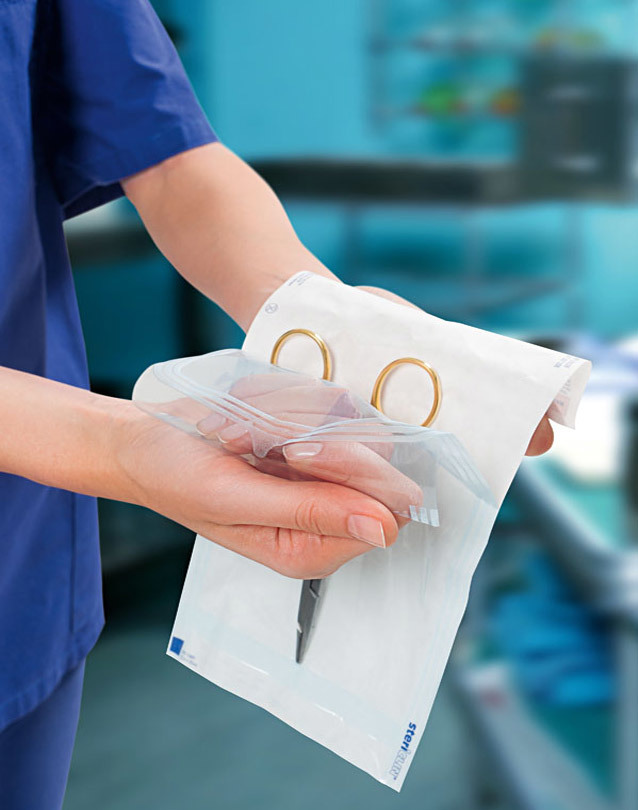
Central Sterile Services Departments (CSSD) rely on heavy-duty, puncture-resistant sterilization reels to package surgical cassettes and general orthopedic tools for steam autoclaving.
Dentists use narrower flat reels (e.g., 50mm to 75mm) to wrap handpieces and dental mirrors, requiring clean-peel properties to avoid instrument contamination.
Device manufacturers utilize heat-sealing rolls to package disposable components like syringes, catheters, and tubing before sterilization using industrial Ethylene Oxide (EO) gas.
Addressing primary operational queries concerning sterilization reels, material verification, and regulatory compliance.
Industrial tapes, specialized wraps, and custom sterilization monitoring tools designed for professional medical distributors.
 Jalil Medical