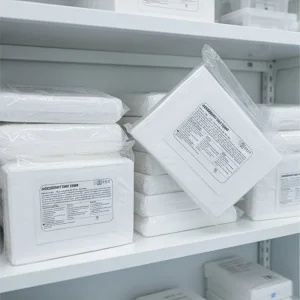
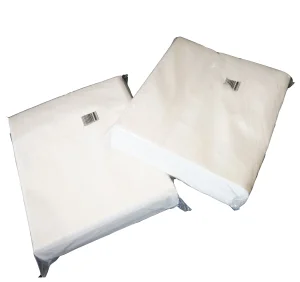
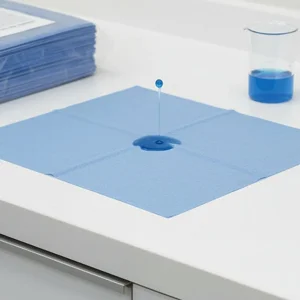
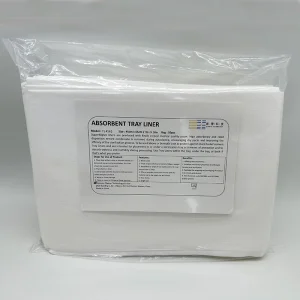
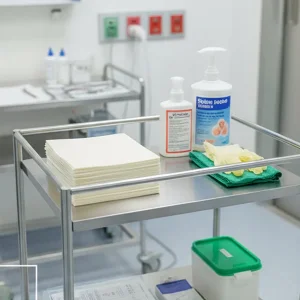
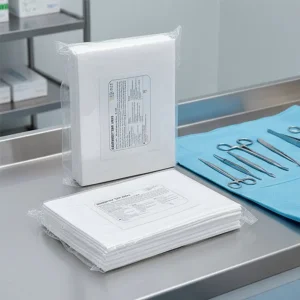
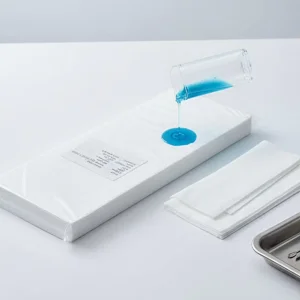
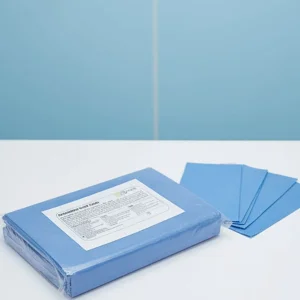
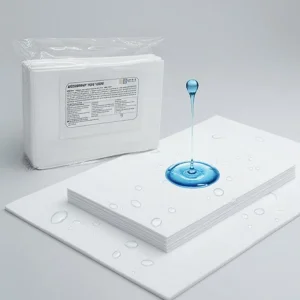
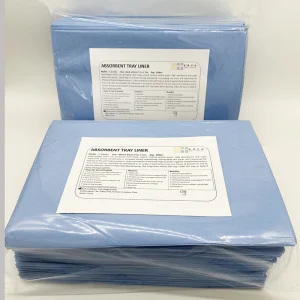
Engineered for surgical pack condensate absorption and sterile environment retention in high-temperature autoclaves.
The Democratic Republic of Congo (DRC) is currently executing monumental structural reforms in its healthcare ecosystem. Driven by the Ministry of Public Health, Hygiene and Prevention alongside international development bodies like the World Health Organization (WHO) and the World Bank's Health System Strengthening Project (PDSS), the prioritization of infection prevention control (IPC) has reached historic highs.
Within this expanding infrastructure, the prevention of Healthcare-Associated Infections (HAIs) and surgical site infections (SSIs) is highly critical. In major hospitals across Kinshasa (such as the Hôpital Provincial de Référence de Kinshasa and the University Hospital Center), the copper and cobalt mining region clinics of Lubumbashi (Katanga province), and humanitarian medical setups in Goma (North Kivu), Central Sterile Supply Departments (CSSDs) are systematically upgrading their protocols from traditional reusable linens to high-grade, single-use sterile barrier systems.
However, the local tropical climate of the Congo Basin presents distinct challenges. With average ambient relative humidity often exceeding 80% and significant fluctuations in seasonal temperatures, medical facilities routinely experience the "wet pack" phenomenon in steam autoclave systems. If a surgical tray contains residual moisture after sterilization, it poses a direct bio-contamination vector, invalidating the sterility of the enclosed tools. High-performance, lint-free sterilization tray liners are vital in this setting: they actively absorb and disperse condensation, preventing moisture accumulation and guaranteeing the integrity of critical surgical packs.
Not all tray liners are created equal. In clinical environments where patient lives depend on aseptic pathways, understanding the physical chemistry of sterile barrier materials is key. For bulk procurement agents and medical distribution partners in the DRC, selecting the correct material composition prevents catastrophic sterilizer failures.
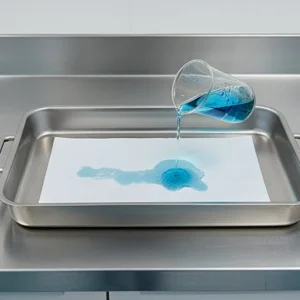
Utilizes ultra-pure cellulose fibers formed into a creped or flat structure. This material possesses rapid capillary absorption properties, ideal for heavy orthopaedic or spinal instrument sets that generate dense condensation during steam autoclaving.
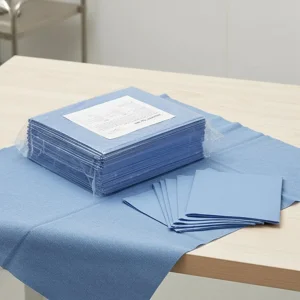
Spunbond-Meltblown-Spunbond (SMS) materials offer high tensile strength and puncture resistance. These are perfect for protection against sharp-edged surgical retractors and heavy micro-instrument trays in transit.
Excess particulate matter in operating theaters can cause foreign-body granulomas or post-operative adhesions in patients. Our sterilization tray liners are treated to ensure zero linting, exceeding ISO 9073-10 particulate emission requirements.
From a bio-safety perspective, our liners are chemically inert, pH-neutral, and free from optical brighteners or toxic dyes that could leach onto surgical tools during exposure to dry heat or high-pressure steam. They act as a cushioning barrier, protecting delicate micro-instruments from blunt impact damage during transport between the sterile processing department and the operating theater.
Guangzhou Jalil Medical Co., Ltd. is a leading manufacturer and supplier specializing in medical sterilization packaging and tape for healthcare facilities worldwide. With years of experience in the infection control and medical packaging industry, we provide high-quality solutions that ensure the safety and sterility of medical instruments. Our product range includes sterile pouches, autoclave sterilization wraps, chemical indicator strips, and sterilization tapes, all designed to meet rigorous international standards.
Committed to quality and innovation, Jalil Medical operates modern ISO-certified production facilities, combining advanced machinery with strict quality control to deliver consistent, reliable products. We support OEM and ODM services, allowing healthcare providers and distributors to access customized solutions that meet specific operational and regulatory requirements.
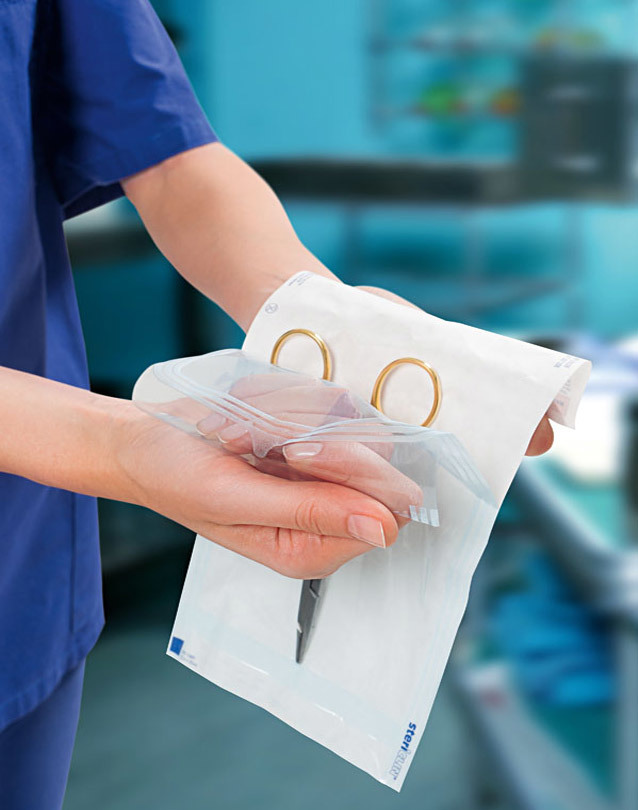
Our products are widely used in hospitals, clinics, laboratories, and surgical centers, helping healthcare professionals maintain infection-free environments. By integrating cutting-edge materials, color-changing indicators, and peelable packaging designs, we enhance usability and safety, ensuring instruments remain sterile until use.
At Guangzhou Jalil Medical, our mission is to provide trusted, cost-effective, and environmentally responsible sterilization packaging solutions. We pride ourselves on excellent customer service, timely delivery, and continuous innovation to meet the evolving needs of the healthcare industry.
Whether for small clinics or large hospitals, Jalil Medical is a reliable partner for high-quality medical sterilization packaging and tape.
Logistical and financial efficiency are major factors for public health institutions, NGOs, and medical distribution businesses in the DRC. Historically, many African hospitals have procured medical-grade disposables through European intermediaries, adding substantial markups and prolonged lead times. Procuring directly from Guangzhou Jalil Medical’s ISO-certified manufacturing facility in China changes this dynamic:
We provide streamlined maritime freight routes to Matadi Port (the main ocean gate to Kinshasa and western DRC) and East African corridors via Mombasa or Dar es Salaam to serve Goma and Lubumbashi. Airfreight is directly routed to N'djili Airport for rapid stock replenishment.
We supply full validation documentation, including Certificates of Analysis (COA), ISO 13485 registration, CE declarations, and technical datasheets. This ensures swift inspection processing with the Office Congolais de Contrôle (OCC), preventing costly customs delays.
We tailor GSM weight, dimensions, folding configuration (flat vs. 1/4 fold), and branding to match localized requirements. This support allows local distributors to market sterilization solutions customized to specific regional preferences.
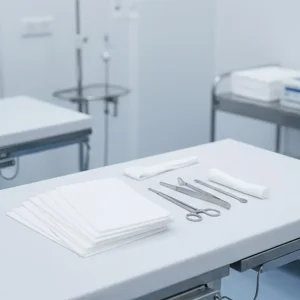
Explore our complete catalog of woodpulp and nonwoven sterilization tray liners designed for CSSDs, dental packs, and heavy operating room kits.
Using tray liners effectively within steam sterilizers or ethylene oxide (EO) chambers requires training. Medical CSSD managers in the DRC should integrate the following operational steps to optimize sterilization outcomes and extend the lifespan of their instrumentation:
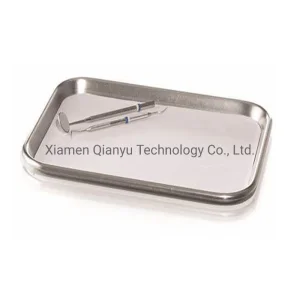
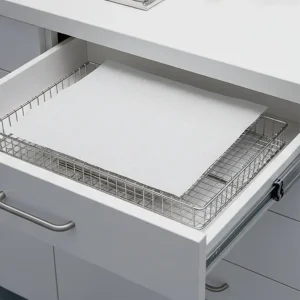
Place a clean, single-use sterilization liner flat at the bottom of the stainless steel or wire mesh instrument tray. This creates an even surface that protects both the container and the wrap from sharp instrument tips.
Arrange surgical instruments in an even, spread-out pattern. Avoid stacking items heavily, as this creates localized cold spots that can restrict steam circulation and lead to incomplete drying cycles.
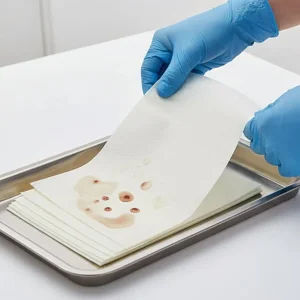
Wrap the entire tray using standard SMS wraps or sterilization sheets. During the autoclave run, the tray liner absorbs condensate as steam heats the metal tools, releasing it as vapor during the dry cycle.
Key clinical and logistical information for health directors, purchasing leads, and medical supply distributors in Central Africa.
Request a customized quote, access comprehensive product certificates, or order samples of our sterilization tray liners tailored for the DR Congo healthcare sector.
 Jalil Medical