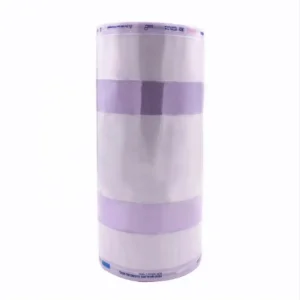
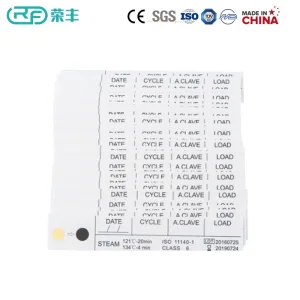
In the contemporary healthcare and medical manufacturing sectors, the Central Sterile Services Department (CSSD) serves as the core defense against healthcare-associated infections (HAIs). Surgical tray liners play a crucial, multi-faceted role in this environment. Far beyond simple protective sheets, these specialized consumables are engineered to mitigate the risks associated with autoclave sterilization, excess moisture retention, and mechanical stress on delicate surgical micro-instruments.
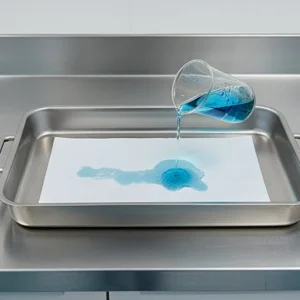
The global market for surgical tray liners has transitioned from basic cellulose sheets to advanced, multi-ply composite structures. In clinical operations, the occurrence of "wet packs"—where residual condensation remains inside the surgical tray post-sterilization—presents a severe breach of sterile barrier integrity. Damp packaging acts as a conduit for micro-organisms to penetrate the sterile wrap, rendering the entire set non-sterile and forcing costly, time-consuming reprocessing. High-performance absorbent tray liners, engineered from 100% pure virgin wood pulp, function as temporary reservoirs that capture condensate during the heating phase of steam sterilization and rapidly release it during the drying vacuum phase, ensuring a completely bone-dry sterilizing environment.
From an economic perspective, the protection of costly surgical instrumentation—ranging from endoscopes to micro-forceps—is paramount. Direct contact between surgical instruments and the rigid metallic structures of sterilizing baskets during transport can lead to structural wear, alignment shifts, or dulling of sharp edges. High-density crepe wraps and thick absorbent liners serve as cushioning barriers. They neutralize kinetic shocks and prevent direct friction, protecting hospital capital assets and reducing instrument repair frequencies. As international healthcare guidelines (such as AAMI ST79 and World Health Organization guidelines) tighten around instrument safety, the integration of premium medical-grade liners has become a standard protocol globally.
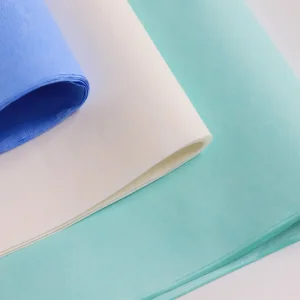
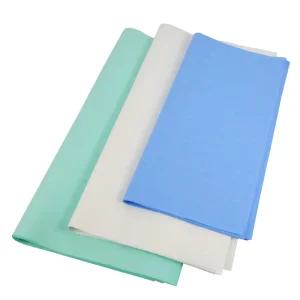
Understanding the chemistry and physical properties of sterile packaging components is vital for medical procurement officers. Different surgical processes require specific base configurations:
Engineered for exceptional fluid retention, boasting water absorption levels up to 300% to 500% of its dry weight. Naturally lint-free to prevent foreign body particulate contamination in open surgical wounds, it is fully compatible with Steam Autoclave and Ethylene Oxide (EO) sterilization methodologies.
Multi-layered spunbond-meltblown synthetic configurations designed to offer superior tear resistance, hydrostatic head performance, and bacterial filtration efficiency. These composites act as robust outer wraps or inner protective cushioning for heavy orthopedic implant trays.
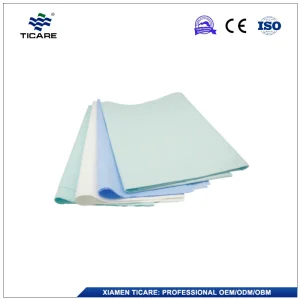
Specifically engineered with controlled micro-creping to facilitate high elasticity, flexibility, and permeability. This structure ensures sterilizing agents penetrate the pack uniformly, and maintains barrier performance under standard storage cycles.
Key parameters for assessing performance include bursting strength, water absorbency (Cobb test), and linting rates. Modern automated production systems in top-tier facilities employ strict online infrared testing to detect impurities, pinholes, or fluctuations in basis weight (GSM), ensuring each batch complies with the European standard EN 868-8 and global ISO 11607 validation frameworks.
For international hospital chains, medical distributors, and custom kit packers, sourcing medical consumables from China offers distinct, structural advantages that extend beyond competitive pricing.
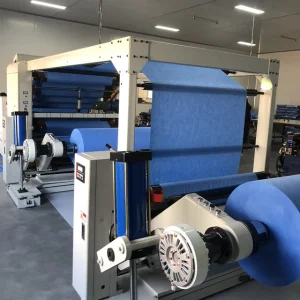
China's medical-grade non-woven and cellulose paper processing industry is concentrated in highly integrated industrial clusters. This concentration yields massive advantages in raw material sourcing, automated logistics, and technical expert availability. Advanced manufacturers, such as those situated in the Pearl River Delta, utilize complete, automated production lines. In these environments, raw pulp is processed, creped, cut, sterilized, and packaged in Class 100,000 cleanrooms without human intervention, maintaining low bioburden levels before sterilization.
By integrating state-of-the-art inline defect scanners and optical density controllers, Chinese facilities offer exceptional batch-to-batch consistency. Furthermore, China's vast logistics infrastructure enables rapid sea, rail, and air shipping, ensuring B2B clients maintain lean inventory levels with minimal lead times. For custom OEMs, the rapid turnaround time for custom sizes, custom print chemical indicators, and bespoke configurations of surgical tray liners provides a key advantage in responding to market changes.
Surgical tray liners find essential application across diverse medical departments, each requiring specific properties:
As the primary facility for processing medical instruments, CSSD departments utilize high-absorbency pulp liners in heavy orthopedic and cardiovascular trays to prevent wet packs. By absorbing excess condensate, these liners ensure that sterilizing packs emerge dry from vacuum-assisted autoclaves, securing long-term sterile storage.
During preparation in the operating room (OR), surgical tray liners provide a clean, high-contrast, sterile surface for instrument setup. The absorbent backing manages saline or blood residue from utilized instruments, keeping the workstation organized and dry.
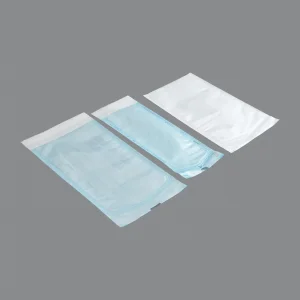
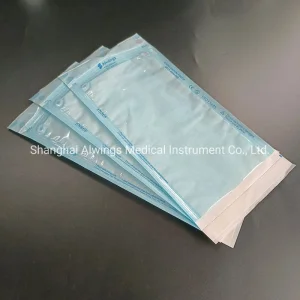
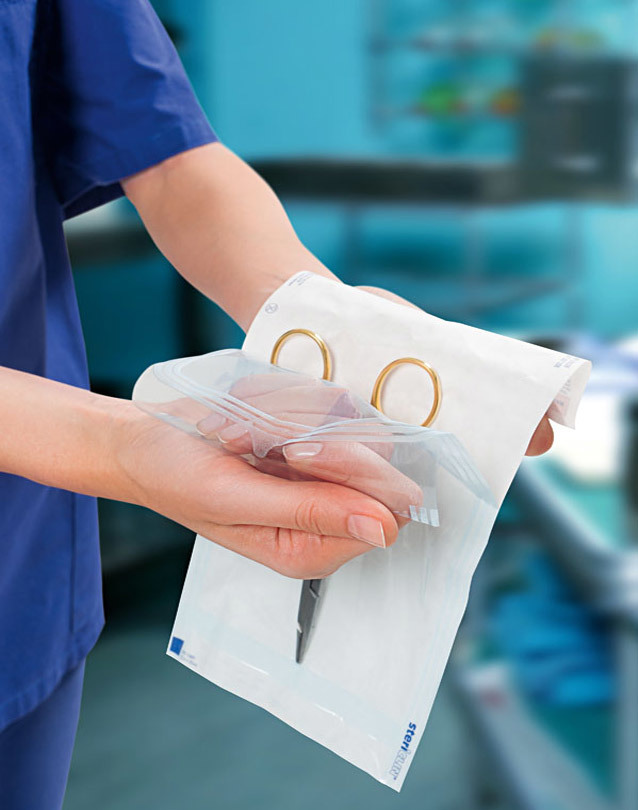
In dental clinics and minor outpatient surgical centers, smaller, self-sealing pouch configurations and thin, woodpulp tray liners are used to protect lightweight procedural kits. This usage pattern ensures fast, clean sterile setup for rapid patient rotation.
Ensuring compliance with international standards is vital when evaluating Chinese manufacturers. Sourcing decisions should prioritize facilities with verified quality systems:
First and foremost, ISO 13485 (Medical Devices Quality Management Systems) certification is mandatory. This certification ensures that the manufacturer maintains a documented quality system appropriate for medical device components. Additionally, products must carry the CE Mark for distribution within the European Economic Area, and comply with FDA registrations for clinical applications in the United States.
For surgical tray liners specifically, physical compliance testing in accordance with EN 868-8 (Packaging for terminally sterilized medical devices - Part 8: Re-usable sterilization containers - Requirements and test methods) is critical. These testing protocols verify that materials are bio-compatible, free of toxic leachables, exhibit proper liquid absorption performance, and resist degradation during high-temperature steam cycles. Procurement agencies should regularly request certified laboratory reports to verify these compliance standards.
Guangzhou Jalil Medical Co., Ltd. is a leading manufacturer and supplier specializing in medical sterilization packaging and tape for healthcare facilities worldwide. With years of experience in the infection control and medical packaging industry, we provide high-quality solutions that ensure the safety and sterility of medical instruments.
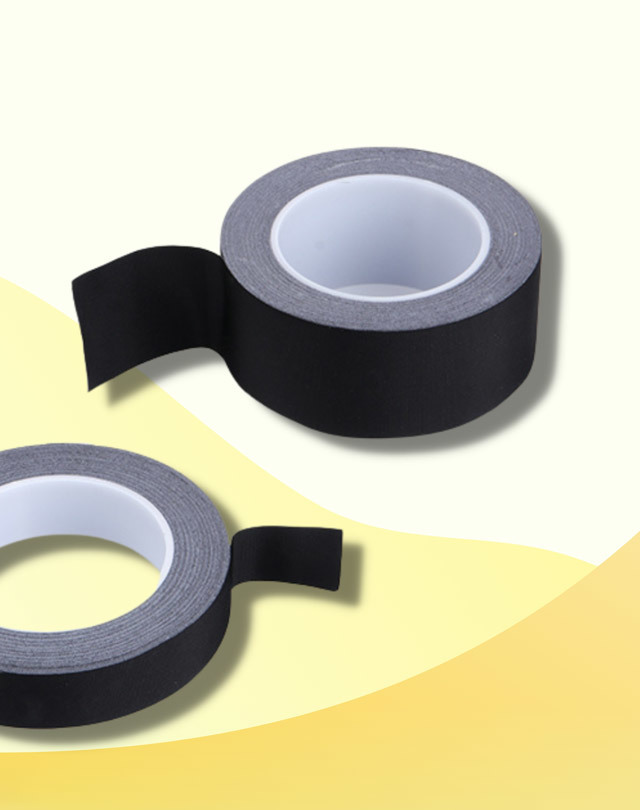
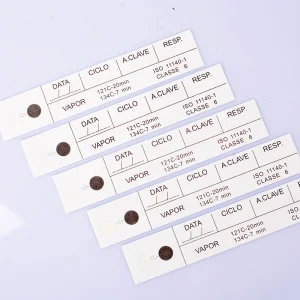
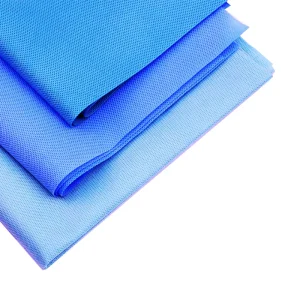
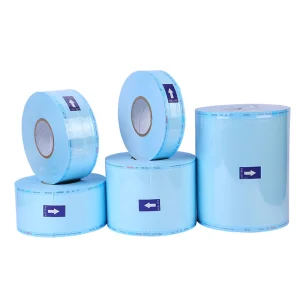
Our product range includes sterile pouches, autoclave sterilization wraps, chemical indicator strips, and sterilization tapes, all designed to meet rigorous international standards. Committed to quality and innovation, Jalil Medical operates modern ISO-certified production facilities, combining advanced machinery with strict quality control to deliver consistent, reliable products.
We support OEM and ODM services, allowing healthcare providers and distributors to access customized solutions that meet specific operational and regulatory requirements. Our products are widely used in hospitals, clinics, laboratories, and surgical centers, helping healthcare professionals maintain infection-free environments. By integrating cutting-edge materials, color-changing indicators, and peelable packaging designs, we enhance usability and safety, ensuring instruments remain sterile until use.
At Guangzhou Jalil Medical, our mission is to provide trusted, cost-effective, and environmentally responsible sterilization packaging solutions. We pride ourselves on excellent customer service, timely delivery, and continuous innovation to meet the evolving needs of the healthcare industry. Whether for small clinics or large hospitals, Jalil Medical is a reliable partner for high-quality medical sterilization packaging and tape.
Find quick technical answers regarding procurement, material standards, and custom ordering structures:
The primary function is to absorb condensation formed during the heating phase of steam autoclaving. It releases this moisture as steam during the drying cycle, preventing wet packs. Additionally, it protects instruments from mechanical damage and prevents damage to the outer sterile wrap.
Woodpulp liners (cellulose) are hydrophilic, providing high water absorption capacity to prevent wet packs. Synthetic SMS/SMMMS materials are hydrophobic and offer high tensile strength. They are ideal for sterile barriers and heavy-duty instrument cushioning.
Yes, our surgical tray liners and sterilization crepe wraps comply with EN 868-8. They also satisfy ISO 11607 sterilization packaging standards, ensuring mechanical integrity and biological safety.
Yes. Through our OEM and ODM services, we offer customized dimensions, weights (ranging from 50 GSM to 80 GSM), and custom printing (such as chemical sterilization indicator inks).
We utilize specialized long-fiber virgin wood pulp and bind it with medical-grade agents. This manufacturing method minimizes fiber shedding, ensuring the final product meets dust-free requirements for surgery.
 Jalil Medical