Direct supply from Guangzhou Jalil Medical's ISO-certified manufacturing facilities. High-performance SMS sterile packaging designed for modern operating theatres.

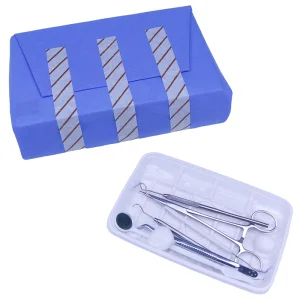
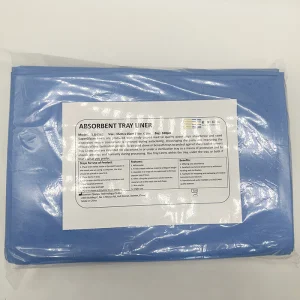
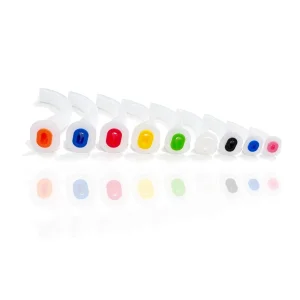
In the landscape of modern orthopedic surgeries—such as total joint arthroplasty, spinal fusion, and complex trauma reconstruction—the prevention of Surgical Site Infections (SSIs) remains the single most critical factor determining clinical success. Orthopedic procedures involve the implantation of high-precision metallic, ceramic, or polymer components. Unlike soft tissue interventions, the introduction of non-biologic hardware creates areas vulnerable to bio-film formation. Once bacteria access an orthopedic implant, eradication without surgical removal of the device is exceptionally difficult.
This reality positions the Sterile Barrier System (SBS) as a crucial safeguard. Among these systems, orthopedic sterilization wraps are designed to maintain the sterility of surgical trays from the point of autoclave sterilization, through transport and storage, up to the precise moment of aseptic delivery in the operating room. High-performance wraps must balance two conflicting criteria: allowing steam or gas sterilants to pass through efficiently during autoclaving, and preventing the entry of microscopic pathogens during handling and storage.
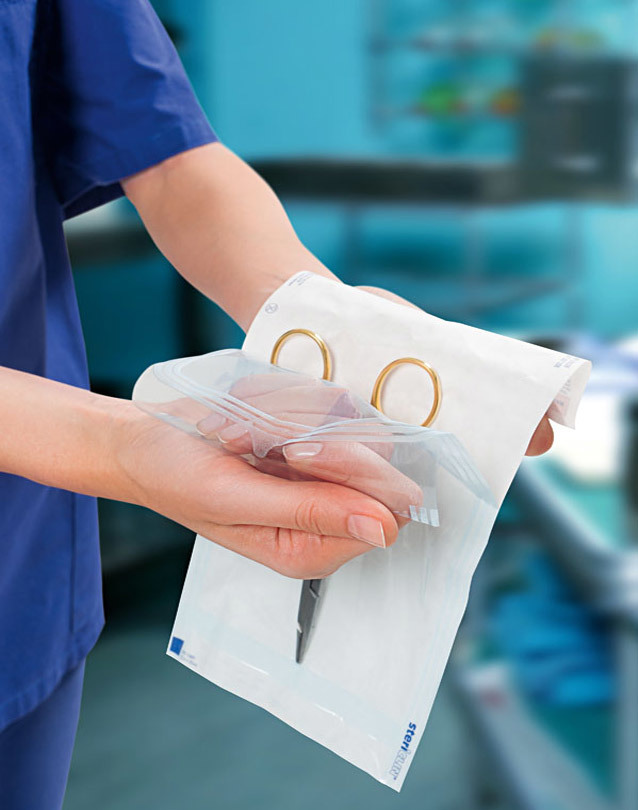
Historically, medical facilities relied on cotton muslin textiles for wrapping trays. However, modern infection control practices have shifted almost entirely to synthetic non-woven polypropylene structures. Guangzhou Jalil Medical employs state-of-the-art Spunbond-Meltblown-Spunbond (SMS) and SMMS co-extrusion technology. This structural layout provides distinct mechanical advantages:
By adjusting the basis weight (from light-duty 40g/m² to heavy-duty 60g/m² and super-heavy 75g/m²), Jalil Medical designs specialized wraps optimized for orthopedic surgical trays. Heavy-duty trays, which can weigh up to 10 kg, require the structural integrity of high-grade SMMS wraps to prevent puncture and tear failures during handling.
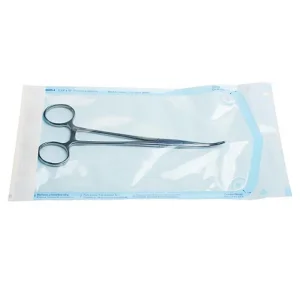
Committed to quality and innovation, Jalil Medical operates modern ISO-certified production facilities, combining advanced machinery with strict quality control to deliver consistent, reliable products. We support OEM and ODM services, allowing healthcare providers and distributors to access customized solutions that meet specific operational and regulatory requirements. Our products are widely used in hospitals, clinics, laboratories, and surgical centers, helping healthcare professionals maintain infection-free environments. By integrating cutting-edge materials, color-changing indicators, and peelable packaging designs, we enhance usability and safety, ensuring instruments remain sterile until use.
Compliance is essential for sterile barrier systems. Guangzhou Jalil Medical's sterilization wraps are validated against key regulatory standards, including:
As healthcare environments adopt digital operations and target lower carbon footprints, sterilization wrap technologies are evolving. Guangzhou Jalil Medical is investing in research and development to address these changes:
Investigating the integration of bio-sourced PLA polymers with traditional polypropylene to lower carbon footprints without compromising barrier strength or shelf life.
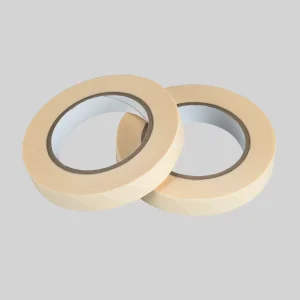
Transitioning from traditional external tapes to integrated chemical indicators printed directly on the wrap, reducing preparation time and waste.
Developing new polymer blends that increase resistance to point loads by up to 30%, which is particularly beneficial for sharp orthopedic implants.
In the global medical devices sector, cost-efficiency and consistent supply chains are major points of differentiation. Guangzhou Jalil Medical utilizes China's advanced manufacturing infrastructure to offer several advantages:
Guangzhou Jalil Medical offers custom solutions tailored to regional requirements. Different markets present varying sterile barrier challenges:
Our OEM and ODM capabilities allow us to adjust basis weights, dimensions, and color schemes to meet specific hospital requirements. Whether providing precut sheets or custom rolls, our team works closely with infection control professionals and distributors to deliver validated configurations.
Expert insights on sterile barriers, autoclave validation, and sterile storage maintenance.
Cotton fibers degrade over repeat washing cycles, creating microscopic pores that can compromise the sterile barrier. SMS and SMMS synthetics offer a consistent tortuous path for microbial exclusion and do not release lint, which can carry bacteria into surgical sites.
Wet packs occur when steam condenses within the wrap and does not dry completely, risking bacterial wicking. Our wraps are engineered with specific air permeability rates that support efficient steam penetration and drying cycles.
We recommend wrapping orthopedic trays twice, either sequentially or using a co-wrapped configuration. The inner layer acts as a sterile field, while the outer layer protects against mechanical wear during transport.
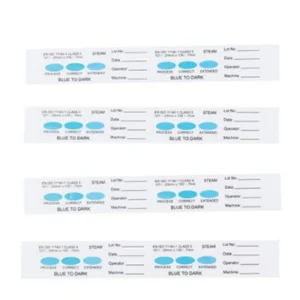
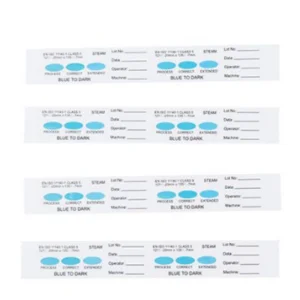
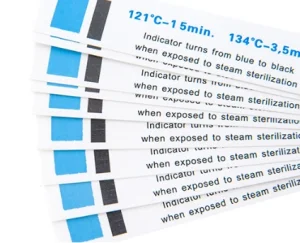
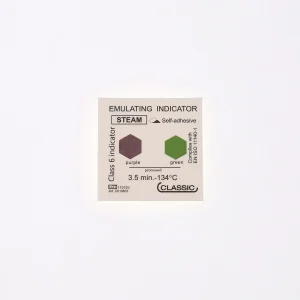
Our indicator strips are calibrated to meet ISO 11140-1 Class 1 and Class 4/6 criteria. The non-toxic inks undergo a clear color change when exposed to sterilization parameters like temperature, time, and steam quality.
Comprehensive sterile packaging, indicators, and hospital-grade accessories to meet global safety standards.
 Jalil Medical