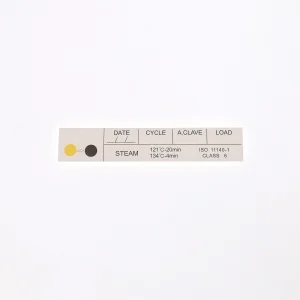
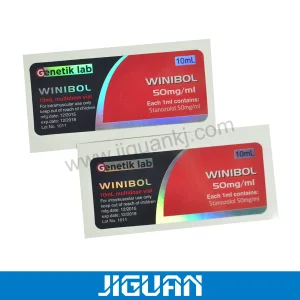
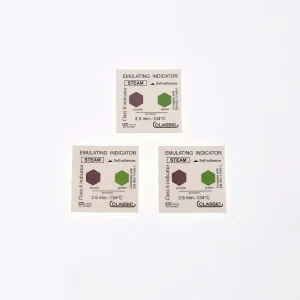
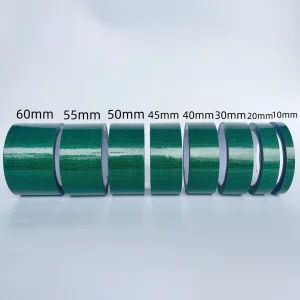
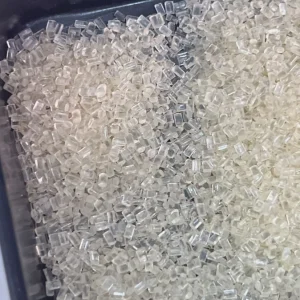
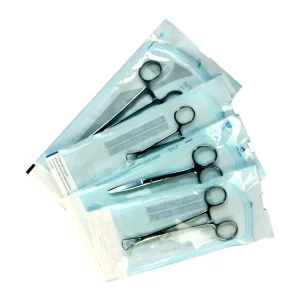
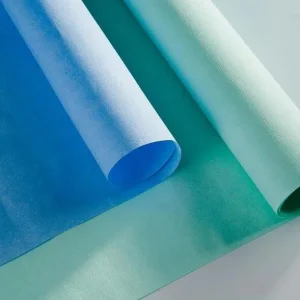
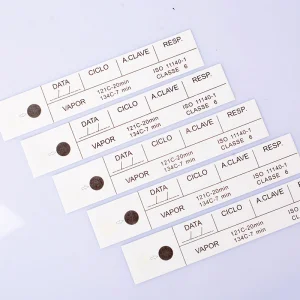
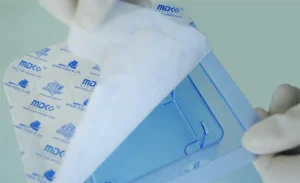
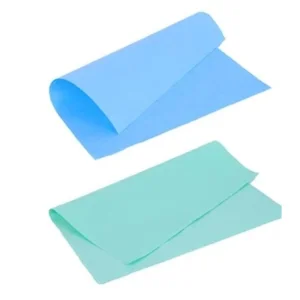
The products below represent the practical building blocks of a modern sterile processing department: tray liners, indicator labels, chemical indicator strips, sterilization pouches, hologram labels, witness strips, Class 6 labels, and crepe paper wraps. For global distributors, hospitals, clinics, laboratories, and surgical centers, these items are not commodity accessories. They are part of a validated sterile barrier system that influences infection control, workflow efficiency, documentation, and patient safety.
The search intent behind “China Best Surgical Instrument Packaging Materials Factories & Exporter” is commercial, technical, and risk-sensitive. International buyers are not only comparing unit prices. They are evaluating sterilization compatibility, sterile barrier validation, documentation quality, localization support, lot traceability, lead-time reliability, design flexibility, and total cost of ownership. A factory that can support hospital CSSD teams, dental distributors, OEM/ODM private-label programs, and regulatory audits is more valuable than a low-cost converter that cannot explain its quality system.
This guide is structured for procurement managers, infection control teams, distributors, and healthcare exporters who need a practical evaluation framework. It combines the manufacturing perspective of Guangzhou Jalil Medical Co., Ltd. with compliance-driven procurement criteria used by healthcare organizations worldwide.
Guangzhou Jalil Medical Co., Ltd. is a leading manufacturer and supplier specializing in medical sterilization packaging and tape for healthcare facilities worldwide. With years of experience in the infection control and medical packaging industry, we provide high-quality solutions that ensure the safety and sterility of medical instruments. Our product range includes sterile pouches, autoclave sterilization wraps, chemical indicator strips, and sterilization tapes, all designed to meet rigorous international standards.
Committed to quality and innovation, Jalil Medical operates modern ISO-certified production facilities, combining advanced machinery with strict quality control to deliver consistent, reliable products. We support OEM and ODM services, allowing healthcare providers and distributors to access customized solutions that meet specific operational and regulatory requirements.
Our products are widely used in hospitals, clinics, laboratories, and surgical centers, helping healthcare professionals maintain infection-free environments. By integrating cutting-edge materials, color-changing indicators, and peelable packaging designs, we enhance usability and safety, ensuring instruments remain sterile until use.
At Guangzhou Jalil Medical, our mission is to provide trusted, cost-effective, and environmentally responsible sterilization packaging solutions. We pride ourselves on excellent customer service, timely delivery, and continuous innovation to meet the evolving needs of the healthcare industry.
Whether for small clinics or large hospitals, Jalil Medical is a reliable partner for high-quality medical sterilization packaging and tape.
ExperienceExpertiseAuthoritativenessTrustworthiness

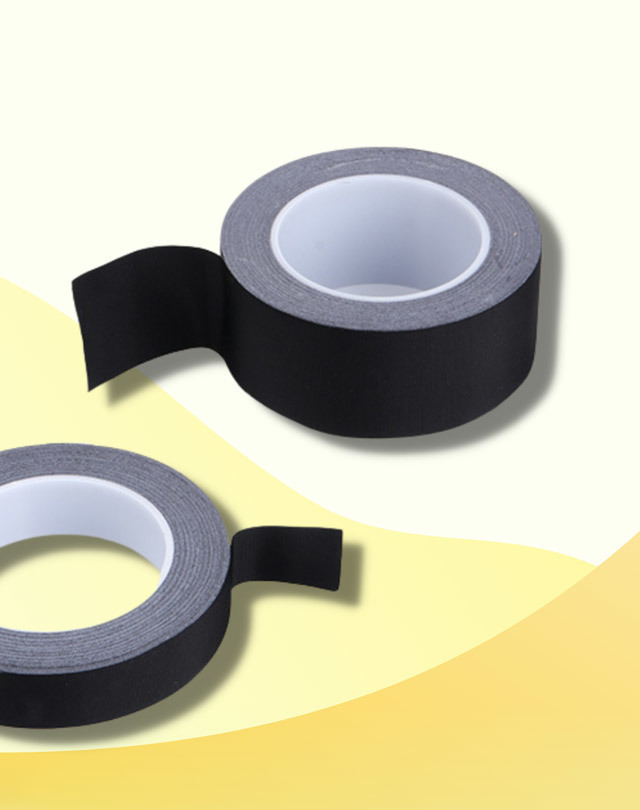
Surgical instrument packaging is a sterile barrier system, not ordinary packaging. It must permit the chosen sterilization process to reach the instrument, maintain sterility after processing, resist punctures and tears during handling and transport, support aseptic presentation at the point of use, and provide evidence that the process has been controlled. For a hospital CSSD, a packaging failure can create contamination risk, surgical delay, recall cost, and reputational damage. For a distributor, incomplete documentation can block customs clearance or hospital vendor qualification. For a manufacturer, inconsistent material performance can create warranty and compliance exposure.
Materials must maintain seal strength, porosity, and physical protection across the validated shelf life. Crepe paper, Tyvek/film blisters, paper pouches, and sterilization reels each have different performance profiles.
Steam autoclave, EO, plasma, and other processes require compatible materials, indicators, and labels. The packaging and the sterilization cycle must be evaluated as a system.
Peelable designs, clean opening behavior, low-lint surfaces, and clear indicator visibility help nurses and sterile processing technicians present instruments without contamination.
Batch records, indicator lot traceability, labeling controls, and change notification are essential for audits, recalls, and hospital supplier qualification.
Healthcare packaging is moving from simple consumable purchasing toward validated, documentation-rich, localized supply partnerships. Buyers want evidence that the product performs in their sterilization cycle, fits their workflow, and remains compliant when regulations or labeling requirements change.
Low-lint paper, stronger films, lead-free indicator chemistry, and user-friendly color-changing indicators are gaining attention because they support both safety and sustainability goals.
Procurement teams increasingly request sterile barrier validation summaries, seal strength data, shelf-life rationale, and compatibility evidence rather than accepting generic claims.
Language-specific labels, hospital branding, UDI-ready data fields, and market-specific warnings are becoming standard requirements for distributors serving multiple regions.
Global buyers are reducing single-source risk through dual sourcing, safety stock, flexible MOQ programs, and suppliers that can support both standard and custom formats.
China’s medical packaging supply chain combines raw material access, converting capability, printing, indicator chemistry, tooling, and export logistics within a mature industrial ecosystem. For global buyers, the advantage is not only cost. It is the ability to iterate designs quickly, scale production, control documentation, and consolidate multiple packaging formats with one manufacturing partner. Guangzhou, as a manufacturing and trade hub, offers strong access to medical device packaging expertise, international shipping, and OEM/ODM support.
Paper, film, adhesive, indicator inks, printing, and converting processes can be coordinated more efficiently, reducing fragmentation across multiple suppliers.
Custom sizes, hospital logos, private-label printing, indicator formats, and packaging configurations can be developed through OEM and ODM programs.
Factories serving global healthcare markets must combine volume capacity with lot control, inspection, export packaging, and responsive documentation.
Competitive manufacturing cost can free budget for validation, inventory planning, and localized marketing support without compromising the sterile barrier system.
A China-based exporter becomes truly useful when it can adapt packaging to local market expectations. That means more than translating a carton label. It requires market-specific documentation, label wording, sterilization compatibility checks, lot coding, and change-control discipline. Buyers should clarify which standards apply to their market and product claims, such as EN ISO 11607, EN 868 series, ISO 11135, ISO 11137, ISO 17665, and applicable CE, FDA, or other regional requirements. Jalil Medical operates ISO-certified production facilities and supports customized solutions for specific operational and regulatory requirements.
Product-specific documentation can be aligned with buyer questionnaires, technical files, and supplier qualification requests, subject to the exact SKU and destination market.
Multilingual labels, custom warnings, private-label branding, barcode fields, and UDI-ready data help distributors localize products without managing multiple converters.
Material and indicator selection can be matched to steam, EO, plasma, or autoclave workflows, with validation discussions based on the buyer’s actual cycle and packaging configuration.
Batch identification, date coding, and raw material change notification are critical for healthcare supply agreements and post-market surveillance.
| Product Family | Examples in This Portfolio | Primary Buyer Need | Documentation Focus |
|---|---|---|---|
| Sterile barrier pouches and reels | Self-sealing sterilization pouches, flat/gusseted paper pouches, steam sterilization rolls, Tyvek sealing paper blisters | Physical protection, sterile presentation, workflow efficiency | Seal strength, material configuration, shelf-life rationale, sterile barrier validation |
| Crepe paper and wraps | Blue sterilization crepe paper wrap, medical crepe paper, CSSD sterilization paper | Drapeability, porosity, puncture resistance, cost control | Grammage, tensile and wet strength, compatibility with steam cycles, EN 868-related specifications where applicable |
| Chemical indicators and labels | Class 6 steam indicator strips/labels, EO indicator stickers, autoclave testing cards, lead-free indicator tapes | Process monitoring, cycle verification, record keeping | Color-change performance, sensitivity, lot traceability, label adhesion |
| Accessories and specialty formats | Absorbent tray liners, hologram medical labels, microwave oven liners | Organization, security, brand protection, specialized handling | Material safety, adhesion, custom print control, application-specific performance |
Enterprise procurement teams should convert clinical and regulatory expectations into a written purchasing specification. This protects the buyer, reduces inspection disputes, and gives the factory a clear quality target. A well-prepared request for quotation typically includes the intended sterilization method, instrument weight and shape, packaging size, shelf-life expectation, label content, target market, annual volume, and required documentation.
Define material structure, dimensions, printing, adhesive, indicator type, packaging count, and acceptance criteria. Require written approval before production.
Review quality management system evidence, production controls, inbound material checks, in-process inspection, final release, and corrective action processes.
Confirm standard production lead time, custom tooling time, minimum order quantities, carton configuration, and safety stock options for recurring distributors.
Agree on complaint handling, change notification, replacement policy, document updates, and technical contact availability across time zones.
Different healthcare settings place different demands on packaging. A large hospital CSSD may prioritize throughput and standardized indicator records, while a dental clinic may prioritize compact self-sealing pouches and easy peelability. Export distributors may need multilingual labels and private-label packaging for multiple markets.
Sterilization wraps, paper pouches, indicator strips, and tapes support high-volume tray assembly, autoclave monitoring, and sterile storage.
Peelable pouches, Tyvek blister formats, and clear indicators help surgical teams verify sterility and open packs aseptically.
Self-sealing dental bags, small indicator labels, and steam rolls fit compact sterilizers and chairside instrument workflows.
Indicator labels, pouch formats, and specialty liners support controlled handling of small instruments, vials, and diagnostic accessories.
A low purchase price can become expensive if it creates rejected lots, sterilization delays, or additional inspection labor. Buyers should evaluate landed cost, defect rate, documentation burden, training time, and supply continuity. Environmentally responsible choices, such as lead-free indicator chemistry and right-sized packaging, can also support hospital sustainability programs when they are compatible with validated performance.
Raw paper, film, adhesive, and indicator materials should be checked against agreed specifications before conversion begins.
Dimensions, sealing parameters, print registration, and physical appearance are monitored during production to reduce variation.
Color-change performance, lot coding, adhesion, and readability require controls that support traceability and user confidence.
Final inspection, packing configuration, labeling, and shipment documentation should align with the buyer’s market and audit requirements.
Use a structured scorecard rather than a single price comparison. The strongest supplier will be able to explain why a material is suitable for a specific sterilization cycle, how the lot is traceable, what happens when a specification changes, and how the product will be packed for export. Ask for samples, product-specific documentation, and a clear technical contact.
Review certifications, inspection records, nonconformance handling, and change-control procedures. Confirm that the production facility matches the quoted product and market claims.
Test the packaging in the actual sterilization cycle, handling workflow, and storage conditions. Review seal appearance, opening behavior, indicator response, and label durability.
Evaluate response speed, technical communication, lead-time reliability, customization capability, and willingness to support documentation after the first order.
The lower showcase completes the 16-product portfolio snapshot. It highlights indicator tapes, specialty liners, paper pouches, medical crepe paper, sterilization rolls, testing cards, Tyvek sealing blisters, and CSSD sterilization paper for distributors and healthcare facilities seeking a consolidated China-based source.
Surgical instrument packaging materials are the components used to create a sterile barrier system around instruments before sterilization and storage. They include paper pouches, Tyvek/film blisters, sterilization reels, crepe paper wraps, indicator strips, indicator tapes, labels, and tray liners. The right combination depends on the instrument weight, sharp edges, sterilization method, storage period, and aseptic presentation workflow.
China offers a mature combination of raw material access, converting capacity, printing, indicator manufacturing, and export logistics. For global buyers, a China-based exporter can provide competitive cost, customization, OEM/ODM support, and consolidated sourcing across multiple packaging formats. The key is to select a supplier with documented quality controls, product-specific evidence, and responsive technical communication.
Buyers should request product-specific documentation rather than relying on general marketing claims. Ask for the applicable technical file information, declarations, test reports, labeling, and quality management evidence for the exact SKU and destination market. Confirm whether the documentation covers the intended sterilization method, packaging configuration, and claims. Regulatory requirements vary by product and country, so a compliance review should be completed with the supplier before purchase.
Yes. OEM and ODM programs can support custom dimensions, printing, hospital branding, multilingual labels, indicator formats, packaging counts, and carton configurations. A controlled customization process should include artwork approval, material specification, sample review, and written change control so that the final product remains consistent with the buyer’s validation and regulatory expectations.
The showcased portfolio includes products relevant to steam autoclave, EO, plasma, and related sterilization workflows. Examples include steam indicator strips, EO indicator labels, Class 6 steam indicator labels, autoclave testing cards, lead-free sterilization tapes, sterilization pouches, crepe paper wraps, and sterilization rolls. The final material selection must match the buyer’s actual cycle, equipment, packaging configuration, and validation plan.
Total cost of ownership includes unit price, freight, duties, inspection labor, defect and rejection costs, sterilization delays, inventory carrying cost, documentation burden, and supply continuity risk. A slightly higher-priced product with stable quality, reliable documentation, and consistent lead time can be more economical than a low-cost item that creates operational disruption. Evaluate samples in the real workflow before scaling orders.
For hospitals, clinics, laboratories, surgical centers, and global distributors, the strongest sourcing decision is based on clinical fit, compliance evidence, supply continuity, and a supplier that understands how packaging behaves in real sterile processing workflows. Guangzhou Jalil Medical Co., Ltd. combines medical sterilization packaging manufacturing, ISO-certified production facilities, OEM/ODM support, and a broad product range covering sterile pouches, autoclave sterilization wraps, chemical indicator strips, and sterilization tapes.
Whether for small clinics or large hospitals, Jalil Medical is a reliable partner for high-quality medical sterilization packaging and tape. Use this guide as a practical checklist to compare materials, request documentation, validate samples, and localize products for the markets you serve.
 Jalil Medical