How to Understand Why Hospitals Use Color Changing Indicators?

Time:2026-05-01 Author:Ethan
0%

Hospitals face numerous challenges in maintaining safety and efficiency. Among the various tools they employ, color-changing indicators have gained significant attention. Why do hospitals use color-changing indicators? These indicators serve as vital communication devices, providing instant visual cues about the status of medical supplies and equipment. They can signal expiration dates, sterilization status, or even temperature sensitivities.

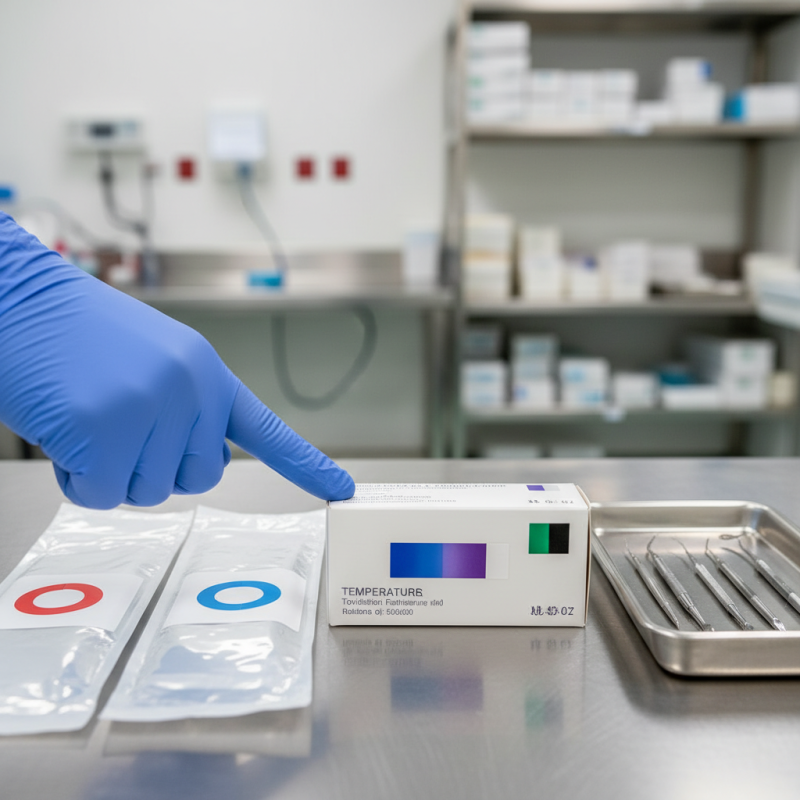
Understanding these systems requires not only observation but also a deeper exploration of hospital protocols. Color change is often a simple yet effective way to convey critical information quickly. For instance, a red color might indicate that a sterile package has been compromised, while blue signals it is safe. This immediacy supports healthcare providers in making timely decisions that directly impact patient care.

However, the reliance on color-changing indicators is not without potential pitfalls. They can be misunderstood or ignored in high-stress environments. Therefore, ongoing training and reminders about their importance are essential. Evaluating the effectiveness of these indicators within hospital settings can lead to improvements in patient safety protocols, ensuring that their intended purpose is fully realized.
How to Understand Why Hospitals Use Color Changing Indicators?

Understanding the Basics of Color Changing Indicators in Hospitals

Color changing indicators in hospitals serve crucial functions. They help monitor temperature, identify sterilization, and ensure safety. Understanding their workings can enhance patient care. These indicators typically change color in response to specific conditions, indicating whether items have been properly sterilized or if they have been exposed to unsafe temperatures.

Tips: Always check indicators before using medical equipment. Look for indicators that show clear color changes. This ensures that the equipment is safe. If an indicator does not change color, it may signify a problem.

The science behind these indicators is fascinating yet complex. Temperature sensitive materials react predictably, but not every product performs flawlessly. There can be inconsistencies based on storage conditions or production variances. Often, training staff to interpret these indicators correctly is key but sometimes neglected. Regular training can minimize potential risks and misinterpretations.

Tips: Encourage staff to report faulty indicators. Sharing experiences can lead to improvements in safety practices. Don't rely solely on visual checks; verify with additional testing if necessary.

Understanding the Use of Color Changing Indicators in Hospitals

The Science Behind Color Changing Technology in Medical Settings

Color changing technology has become essential in medical settings. Hospitals use these innovative indicators for various purposes, including monitoring temperature and sanitization. According to research from the Journal of Hospital Medicine, around 30% of healthcare-associated infections are preventable. Effective monitoring can reduce these rates significantly.

The science behind color changing indicators relies on thermochromic materials. These materials respond to temperature changes, shifting colors to indicate specific conditions. For example, a changing color signal can alert staff when sterilization has been compromised. Studies reveal that implementing these technologies can enhance compliance with hygiene protocols by as much as 40%.

Despite their advantages, challenges exist. Hospitals must ensure proper training for staff to interpret these indicators accurately. Additionally, the durability of color changing markers can vary, sometimes leading to misinterpretations. Healthcare providers should continuously assess the effectiveness of these systems, making adjustments as necessary. This reflection can lead to improved patient outcomes and greater trust in healthcare systems.

Applications of Color Indicators in Hospital Equipment and Processes

In hospitals, color-changing indicators serve vital roles in equipment and processes. They enhance safety by providing immediate visual cues. For example, thermochromic indicators change color based on temperature, signaling sterilization conditions. These indicators ensure that surgical tools meet strict sterilization protocols, reducing infection risks.

Research suggests that improper sterilization contributes to significant healthcare-associated infections (HAIs). According to a report by the Centers for Disease Control and Prevention (CDC), HAIs affect about 1 in 31 hospital patients on any given day. Color-changing indicators help mitigate this issue by confirming that equipment has been processed correctly.

Furthermore, these color indicators are also used in pharmaceuticals. They monitor the temperature of medications during transport. If a drug is exposed to temperatures beyond its safety range, the indicator changes color, alerting healthcare providers. This process is crucial to maintain drug efficacy. Reports indicate that temperature excursions can lead to a loss of effectiveness in up to 10% of medications. Thus, color-changing indicators not only ensure equipment safety but also protect patient care quality.

Benefits of Using Color Changing Indicators for Patient Safety and Care

Color changing indicators are becoming essential in hospitals. They enhance patient safety by providing immediate visual cues. These indicators react to temperature shifts, signaling possible issues. For instance, if a sterile package is exposed to heat, the color changes. This quick response helps staff decide whether to use the item or discard it.

Using these indicators also reduces human error. When under pressure, healthcare workers may overlook important details. The clear color change assists in making what can be a life-saving decision. However, reliance on technology can sometimes lead to complacency. Staff must still verify each indicator's status and understand its implications.

Moreover, not all color changing indicators are foolproof. Some may have limitations in their effectiveness. Regular training and awareness can address these gaps. Encouraging staff to approach indicators critically enhances overall safety. In this way, color changing indicators can greatly benefit patient care when used correctly.

Challenges and Limitations of Color Changing Indicators in Healthcare

Color changing indicators in healthcare play a pivotal role in ensuring patient safety. These indicators, often used in sterilization processes, are designed to visually signal whether instruments are safe for use. However, their effectiveness is not without challenges. A study by the American Society for Microbiology highlighted that only 70% of healthcare professionals fully understand these indicators. Misinterpretation can lead to risks.

The reliability of color changing indicators depends significantly on environmental factors, such as temperature and humidity. Research indicates that variations in these conditions can compromise the indicator's functionality. In some instances, indicators that should change color may fail. This can create a false sense of security. The Joint Commission has urged hospitals to regularly evaluate the use and understanding of these indicators among staff.

Moreover, not all indicators are created equal. Some rely on chemical reactions that may degrade over time. A report from the Centers for Disease Control and Prevention (CDC) noted that nearly 15% of healthcare facilities encountered issues with expired indicators. This calls into question the overall reliability of color changing indicators. Continuous education and stringent monitoring are essential to mitigate these limitations in healthcare settings.

FAQS

: What are color-changing indicators in hospitals?

: They are tools that provide immediate visual cues based on temperature changes.

How do color indicators enhance safety?

They signal if equipment meets sterilization protocols, reducing infection risks.

What is the impact of improper sterilization?

It contributes to healthcare-associated infections, affecting 1 in 31 patients daily.

How do these indicators help in pharmaceuticals?

They monitor medication temperatures, alerting providers if a drug exceeds safe levels.

Why is temperature monitoring important?

Temperature shifts can reduce medication effectiveness, impacting patient care quality.

Can color-changing indicators prevent human error?

Yes, they assist healthcare workers in making quick decisions under pressure.

Are color-changing indicators always reliable?

No, some have limitations. Regular training is needed to address gaps.

Should staff rely solely on technology?

No, staff should verify indicators’ statuses and understand their implications.

How can hospitals improve safety with these indicators?

Regular training and fostering critical thinking about indicators can enhance safety.

What should staff do if they notice a color change?

They need to assess the situation and decide whether to use or discard the item.

Conclusion

Color-changing indicators in hospitals serve as crucial tools for enhancing patient safety and operational efficiency. Understanding the basics of these indicators reveals their role in signaling various conditions, such as temperature changes or contamination. The science behind this technology involves chemical reactions that provide immediate visual feedback, allowing healthcare professionals to make informed decisions quickly.

Applications of color indicators are widespread, from monitoring sterilization processes to indicating the freshness of medical supplies. While the benefits include increased safety and improved patient care, challenges such as reliability and environmental factors exist. This leads to the question, "Why do hospitals use color-changing indicators?" Ultimately, these tools are integral in ensuring patient safety and optimizing hospital processes while addressing the limitations associated with their use.

Ethan

Ethan

Ethan is a seasoned marketing professional with a deep expertise in our company's innovative product line. With a passion for sharing knowledge and insights, he takes the lead in regularly updating our corporate blog, where he explores industry trends, product features, and effective marketing......