Why Are Tray Liners Crucial for Sterilization Efficiency?

Time:2026-06-07 Author:Mason
0%

In the fast-paced medical industry, ensuring sterilization efficiency is paramount. A key component often overlooked is tray liners. According to Dr. Emily Carter, a leading expert in sterilization protocols, "Tray liners are essential for maintaining optimal sterilization conditions." This highlights the crucial intersection of design and functionality in healthcare settings.

Tray liners serve multiple purposes. They absorb moisture and prevent contamination. Additionally, they facilitate better steam penetration and ensure items remain in place. The question remains, "What role do tray liners play in sterilization efficiency?" Their significance cannot be understated. Yet, some facilities still neglect proper liner selection.

While options abound, choosing the right tray liner is not always straightforward. The wrong material can cause issues. Over time, improper use can lead to increased risk of infection. Investing time in understanding tray liners helps healthcare professionals make informed choices, enhancing overall sterilization processes.
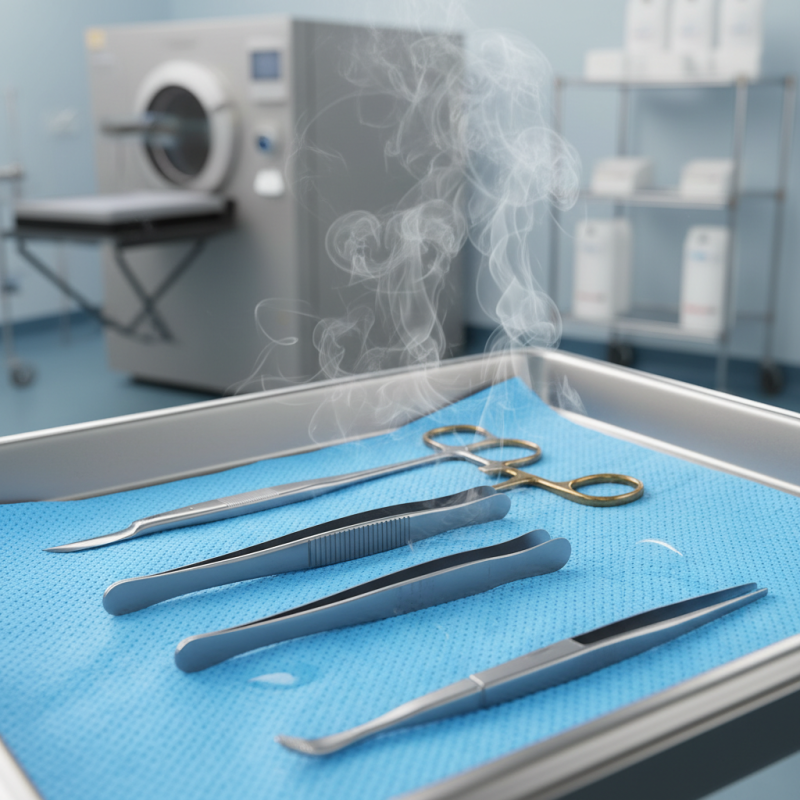
Why Are Tray Liners Crucial for Sterilization Efficiency?

The Role of Tray Liners in Maintaining Sterilization Standards

Tray liners play a critical role in maintaining sterilization standards in the healthcare industry. These materials help create a protective barrier between instruments and potential contaminants. According to a recent study by the Association for the Advancement of Medical Instrumentation (AAMI), proper usage of tray liners can reduce contamination risk by over 30%. This statistic highlights their significance in achieving optimal sterilization outcomes.

The physical characteristics of tray liners are essential for efficient sterilization. Many sterile processing departments recommend liners made from materials that withstand high temperatures and prevent moisture build-up. These features ensure that sterilization processes, like steam and ethylene oxide, penetrate effectively. However, improper use or selection of liners can render sterilization processes ineffective, leading to potential patient safety risks. Healthcare workers must regularly revisit their protocols and align them with the latest guidelines to ensure compliance and efficacy.

Moreover, while many facilities invest in advanced sterilization technologies, the role of tray liners should not be underestimated. A survey indicated that nearly 25% of healthcare facilities do not use appropriate liners regularly. This oversight can lead to increased incidents of surgical site infections, as contaminants may bypass inadequate barriers. It’s crucial for organizations to prioritize the selection and maintenance of tray liners to uphold their commitment to patient safety and care quality.

Types of Tray Liners and Their Impact on Sterilization Efficiency

Tray liners play a pivotal role in sterilization efficiency in healthcare settings. They serve as a barrier between instruments and the sterilization process. The right type of tray liner can significantly affect the effectiveness of sterilization. A study by the Association for the Advancement of Medical Instrumentation (AAMI) noted that improper use of liners increases the risk of contamination by 30%.

There are various types of tray liners, including non-woven fabrics, paper-based materials, and silicone-based liners. Each type offers different levels of ventilation and moisture resistance. For example, non-woven fabrics are breathable and allow effective steam penetration. In contrast, paper-based materials might retain moisture longer than desired, potentially leading to compromised sterilization.

According to research from a leading sterilization industry publication, using the incorrect liner type can diminish sterile barrier performance by up to 20%, underscoring the importance of choosing wisely.

Yet, the selection process for tray liners often gets overlooked. Many healthcare facilities do not conduct adequate assessments of their current materials. This oversight can result in inconsistent sterilization outcomes. Changing a tray liner can feel daunting. However, understanding the impact of each type can lead to better decisions. Maintaining sterilization efficiency requires ongoing evaluation and adaptability in practices and materials used.

Best Practices for Using Tray Liners in Sterilization Processes

Tray liners play a pivotal role in enhancing sterilization efficiency. When used correctly, they protect instruments and prevent cross-contamination. Effective liner selection aligns with the specific sterilization method employed. Consider using disposable liners for single-use applications to minimize infection risks. Alternatively, reusable liners must be adequately cleaned and maintained.

For best practices, ensure that tray liners fit snugly within trays. Loose liners can move during the sterilization cycle, exposing instruments. It’s crucial to regularly inspect the liners for tears or wear. Damaged liners can compromise the sterilization process, leading to unanswered questions about the safety of the instruments.

Tips: Always document the use of tray liners, specifying their type and condition. This practice promotes accountability and traceability. After each sterilization cycle, evaluate the effectiveness of your liner choices. Reflect on any challenges faced and adjust your methods accordingly. This proactive approach can lead to continual improvements in your sterilization practices.

Assessing the Effectiveness of Tray Liners in Various Environments

Tray liners play a vital role in ensuring sterilization efficiency in various environments, including healthcare facilities and laboratories. Their primary function is to provide a barrier against contamination. Research by the Association for the Advancement of Medical Instrumentation indicates that proper use of tray liners can reduce the risk of infection by up to 30%. This statistic highlights their significance in promoting patient safety.

In sterile processing departments, the effectiveness of tray liners is closely tied to their material composition. Certain liners are designed to absorb fluids, preventing leaks and maintaining cleanliness. For instance, a study published in the Journal of Healthcare Engineering found that using absorbent tray liners reduced surface contamination rates by 50%. However, not all materials perform equally in different environments. Factors such as humidity and temperature can impact their effectiveness.

Moreover, ongoing monitoring is essential for maintaining sterilization standards. While tray liners are generally reliable, inconsistent usage can lead to lapses in the sterilization process. It’s crucial for professionals to routinely evaluate procedures and materials. Not every environment might benefit from the same type of liner, pushing for a tailored approach to sterilization protocols. Refining these practices can improve overall safety and efficiency in healthcare settings.

Why Are Tray Liners Crucial for Sterilization Efficiency?

Environment Effectiveness Rating (1-5) Material Type Cost (per unit)
Surgical Theatres 5 Disposable Plastic $0.50
Dental Offices 4 Reusable Fabric $2.00
Laboratories 5 Sterilization Paper $0.75
Pharmaceuticals 4 Polypropylene $1.00
Veterinary Clinics 4 Cardboard $0.30

Common Challenges and Solutions Related to Tray Liner Usage

Tray liners play an essential role in maintaining sterilization efficiency. However, their usage can present several challenges. One common issue is the difficulty in ensuring the proper fit within trays. Improperly sized liners can lead to gaps, allowing contaminants to enter. This situation requires careful measurement and selection of products.

Another challenge involves the material used for tray liners. Some materials may not withstand high sterilization temperatures, leading to degradation. Healthcare providers must choose liners specifically designed for their sterilization processes. Regular training and education on this subject can help staff make better choices.

The accumulation of moisture can also hinder sterilization. It traps bacteria and facilitates their growth. Some facilities use absorbent liners to address this issue. However, these liners sometimes do not provide adequate coverage. Continuous evaluation and feedback are necessary to improve their performance. Proper protocols can mitigate these drawbacks, ensuring every step in the sterilization process is effective.

Importance of Tray Liners in Sterilization Efficiency

FAQS

: What are tray liners used for in healthcare?

: Tray liners create a barrier between instruments and contaminants. They help maintain sterilization standards.

How do tray liners affect sterilization outcomes?

Proper usage can reduce contamination risk by over 30%. They are crucial for achieving effective sterilization.

What materials are recommended for tray liners?

Liners should withstand high temperatures and prevent moisture. This ensures effective sterilization processes.

What happens if tray liners are not used correctly?

Improper use can render sterilization processes ineffective. This increases patient safety risks significantly.

Are all types of tray liners equally effective?

No, different liners offer varying ventilation and moisture resistance. Choosing the right type is essential for success.

What is a common oversight in healthcare facilities regarding tray liners?

Many do not use appropriate liners regularly. This negligence can increase surgical site infections.

How can healthcare facilities improve their practices with tray liners?

Regularly assess materials and align protocols with guidelines. This helps maintain sterilization efficiency.

Why might changing tray liners feel daunting?

The selection process is often overlooked. Understanding the impact of each type can ease concerns.

What do non-woven fabric liners offer?

They are breathable and allow effective steam penetration during sterilization processes.

What can happen if the wrong liner type is used?

It can diminish sterile barrier performance by up to 20%, leading to potential contamination issues.

Conclusion

Tray liners play a vital role in sterilization efficiency by serving as a protective barrier that helps maintain sterilization standards. Different types of tray liners can significantly impact the overall effectiveness of sterilization processes, ensuring that instruments remain uncontaminated throughout the cycle. Implementing best practices for using tray liners, such as proper placement and material selection, can further enhance their effectiveness in various settings.

Assessing the effectiveness of tray liners in different environments sheds light on common challenges and offers solutions to optimize their use. Ultimately, understanding what role do tray liners play in sterilization efficiency is crucial for healthcare facilities aiming to uphold the highest standards of infection control. By recognizing their importance, practitioners can implement strategies that improve sterilization outcomes and patient safety.

Mason

Mason

Mason is a seasoned marketing professional with a deep expertise in the company's offerings and a passion for driving brand awareness. With a strong background in digital marketing strategies, he has an innate ability to connect with diverse audiences and effectively communicate product benefits.......