In the medical field, maintaining sterile instruments is crucial. How to ensure medical instruments remain sterile? This question is central to patient safety and successful outcomes. Contaminated tools can lead to serious infections. Understanding effective sterilization methods is necessary for healthcare providers.
Expert practices emphasize the importance of regular maintenance of sterilization equipment. Routine checks can prevent unexpected failures. Additionally, proper training for staff in sterilization techniques is essential. Inconsistent practices can result in lapses in maintaining the necessary sterility. Instruments should always be stored in a clean environment to avoid any contamination.
Reflection on current sterilization protocols can reveal potential weaknesses. Careful evaluation of existing procedures may uncover areas that require improvement. For instance, are instruments being properly wrapped before sterilization? Continuous education on the latest sterilization guidelines can mitigate risks. Keeping medical instruments sterile is an ongoing challenge that demands diligence.
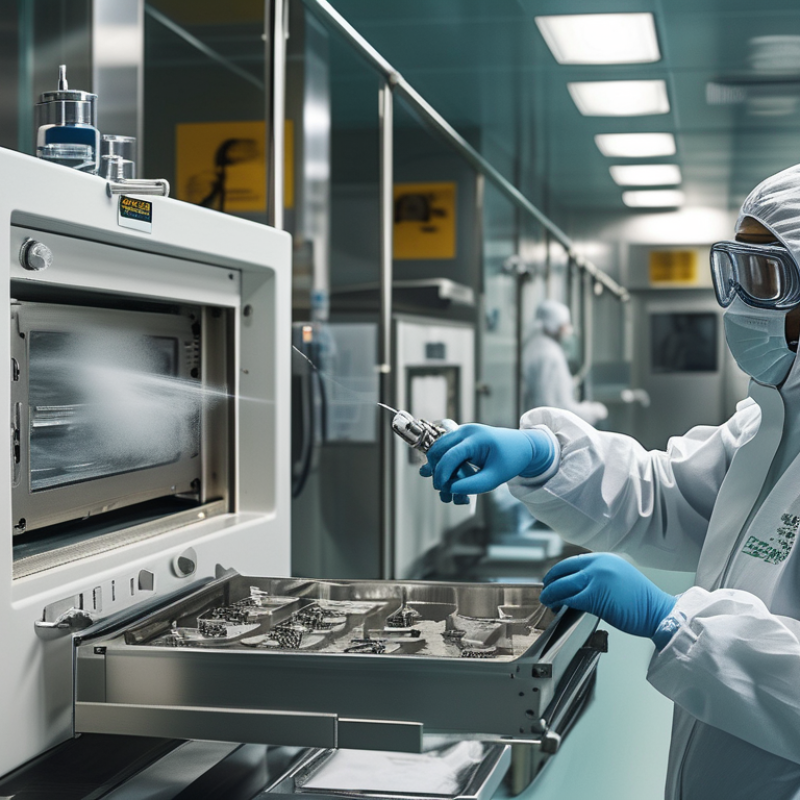
Understanding the importance of sterility in medical instruments is crucial. Contaminated instruments can lead to infections, complicating patient care. The need for rigorous sterilization practices cannot be overstated. Health professionals must recognize that every step taken to maintain sterility can save lives and promote healing.
One effective tip is to ensure proper cleaning before sterilization. Residues from prior procedures may hinder the process. Another crucial step involves using the right sterilization methods, such as autoclaving or ethylene oxide. Each method has distinct requirements and limitations that must be understood.
Maintaining a controlled environment is essential for sterility. This includes regular monitoring of the sterilization equipment and processes. It's easy to overlook this, yet it's vital for ensuring that instruments remain free from harmful microbes. Choosing to adopt these habits can significantly enhance the quality of care provided. Regular training and updates for staff can also reinforce the importance of these practices.
Sterilizing medical instruments is crucial for patient safety. Many healthcare facilities rely on common methods to ensure their tools remain germ-free. Autoclaving is one of the most effective techniques. This process uses high-pressure steam to kill bacteria and pathogens. It requires proper temperature and time settings. However, it demands regular maintenance of the autoclave to guarantee effectiveness.
Chemical sterilization is another viable option. This involves immersing instruments in chemical solutions. While effective, it presents challenges, such as ensuring adequate exposure times. Some methods may not effectively kill all viruses, leading to potential risks. Moreover, it can lead to potential residual chemicals on instruments. Ethylene oxide is commonly used but has known safety concerns.
Ultrasonic cleaning is a valuable technique, as well. It utilizes high-frequency sound waves to remove debris and bacteria. Although this method cleans thoroughly, it may not achieve complete sterilization. Regular assessments are necessary to improve processes and maintain safety. Regular staff training and awareness about sterilization methods can further enhance effectiveness.
| Tip No. | Sterilization Method | Description | Advantages |
|---|---|---|---|
| 1 | Autoclaving | Uses steam under pressure to sterilize instruments. | Effective for most materials, quick process. |
| 2 | Ethylene Oxide Gas | Chemical gas used to sterilize heat-sensitive instruments. | Effective for complex shapes, low-temperature process. |
| 3 | Dry Heat Sterilization | Uses high temperatures to sterilize instruments without moisture. | Suitable for oils, powders, glassware, and metal instruments. |
| 4 | Chemical Sterilants | Uses liquid chemical solutions to sterilize instruments. | Useful for delicate instruments, room temperature process. |
| 5 | Radiation Sterilization | Uses gamma rays or electron beams for sterilization. | Effective for large quantities, long shelf-life. |
| 6 | Steam Sterilization | Exposes instruments to saturated steam for effective sterilization. | Cost-effective and efficient for numerous applications. |
| 7 | Cold Sterilization | Uses chemicals to sterilize at lower temperatures. | Safe for heat-sensitive materials. |
| 8 | Ultraviolet Light | Uses UV light to kill bacteria on surfaces. | Useful for surface disinfection. |
| 9 | Hydrogen Peroxide Plasma | Uses vaporized hydrogen peroxide for sterilization. | Eco-friendly, effective for heat-sensitive devices. |
| 10 | Filtration | Uses mechanical filters to sterilize liquids or gases. | Effective for sterile liquids, simple method. |
Proper storage of sterilized medical instruments is crucial for maintaining their sterility and ensuring patient safety. According to the Centers for Disease Control and Prevention (CDC), improper storage can lead to contamination, which ultimately compromises patient outcomes. Instruments should be stored in a clean, dry environment. Humidity can foster microbial growth, which is a primary concern in the healthcare setting.
When storing sterilized items, consider using closed cabinets or sterilization wraps to protect against environmental factors. It’s essential to avoid direct sunlight as it may degrade packaging materials. Regularly check for damage to storage areas and replace any worn-out items. Experts recommend ensuring that storage areas are easily accessible to avoid unnecessary exposure and handling of instruments, which can lead to contamination.
Tip: Always label sterilized packages with the date and type of sterilization. This practice helps track the age of instruments and ensures they are used within their effectiveness period. Additionally, staff training on proper storage protocols is vital—ongoing education can reduce errors significantly. Keeping track of sterilization cycles can serve as a quality control measure to reduce the risk of infection. Adopting these best practices can lead to improved safety and outcomes in medical procedures.
Maintaining sterility in medical instruments is critical. Proper handling techniques play a significant role in preventing contamination. According to the Centers for Disease Control and Prevention (CDC), improper handling leads to 30% of infection outbreaks in healthcare settings. This statistic underscores the need for rigorous training and protocols.
When handling instruments, using gloves is essential. However, gloves can become compromised or contaminated easily. Staff must change gloves frequently, especially after handling non-sterile items. A study by the Association for Professionals in Infection Control and Epidemiology (APIC) found that 40% of hospital-acquired infections result from improper glove use. This highlights a crucial area for improvement.
Another significant factor is the way instruments are stored. Instruments should be kept in a clean, dry environment. High humidity can foster bacterial growth. The World Health Organization (WHO) advises maintaining humidity levels below 60% in storage areas. Regular training sessions can enhance awareness of these guidelines. Inconsistent practices can lead to gaps in sterility. Continuous education is paramount to ensure that all staff are aware of the latest protocols and standards in infection control.
This chart illustrates the effectiveness ratings of various tips to keep medical instruments sterile, ranging from proper hand hygiene to limiting touching instruments. Each tip is scored from 1 to 10 based on its importance in preventing contamination.
Regular maintenance and monitoring of sterilization equipment are crucial in healthcare settings. Instruments must be sterile to prevent infections and ensure patient safety. Regular checks of sterilizers, such as autoclaves, help identify potential issues early. These machines require routine calibration and performance testing. Over time, wear and tear can compromise their effectiveness.
Daily monitoring of sterilization cycles provides valuable data. Using log sheets to record parameters like temperature and pressure can enhance accountability. Staff should be trained to recognize indicators of sterilization failure. It's easy to overlook small details, but they can lead to significant setbacks. Regular training sessions can improve awareness and compliance among staff members.
Implementing a scheduled maintenance plan is essential. Equipment should be cleaned and serviced regularly. Parts may need replacing over time. Investing in reliable maintenance services can prevent equipment breakdown. Hospitals should also have a contingency plan for equipment failure. This ensures that patient care continues without interruption. The process may seem tedious, but it's necessary for maintaining high standards of safety.
: Sterility prevents infections that can complicate patient care. This ensures better treatment outcomes and promotes healing.
Proper cleaning is crucial before sterilization. Residues from previous procedures can hinder the sterilization process.
Common methods include autoclaving, chemical sterilization, and ultrasonic cleaning. Each has its benefits and limitations.
Autoclaving uses high-pressure steam to kill bacteria and pathogens. It requires specific temperature and time settings.
Chemical sterilization may not kill all viruses effectively. Ensuring exposure times is essential for safety.
Store instruments in a clean, dry environment. Use closed cabinets or wraps to protect against contamination.
Avoid direct sunlight and humidity. Both can degrade packaging materials and promote microbial growth.
Regular training ensures that staff understand sterilization and storage protocols. This reduces errors and enhances patient safety.
Label sterilized packages with date and sterilization type. Keeping track of cycles helps ensure instruments remain safe to use.
Improper storage may lead to contamination, risking patient safety. Regular checks and maintenance are vital for avoiding this issue.
Maintaining the sterility of medical instruments is crucial for preventing infections and ensuring patient safety. To understand "how to ensure medical instruments remain sterile," it's essential to explore common sterilization methods, such as autoclaving and chemical sterilants, which effectively eliminate pathogens. Additionally, best practices for storing sterilized instruments must be adhered to, ensuring they are kept in a clean, dry environment to avoid contamination.
Preventing contamination during the handling of instruments is equally important, requiring proper training for staff on aseptic techniques. Lastly, regular maintenance and monitoring of sterilization equipment are vital to guarantee its efficacy. By following these guidelines, healthcare facilities can significantly enhance the sterility of medical instruments, ultimately protecting patient health and wellbeing.

Jalil Medical