Sterilization is crucial for ensuring the safety and efficacy of medical devices and pharmaceuticals. Two popular methods are steam and ethylene oxide (EO) sterilization. Each method has unique characteristics that can affect the choice of sterilization strategy. What are the differences between steam and EO sterilization? This question is essential for professionals in the healthcare industry.
Steam sterilization uses high-pressure steam to kill microorganisms. It is a fast and effective method, often requiring shorter cycles. In contrast, EO sterilization relies on chemical gas, making it suitable for heat-sensitive materials. However, EO processes take longer and require careful handling due to the toxicity of the gas involved.
Understanding these differences is vital for selecting the right sterilization method. However, one must reflect on the potential trade-offs. While steam may be efficient, it might not suit every material. Conversely, EO can effectively sterilize delicate items but poses safety concerns. This balance is critical in decision-making, highlighting the importance of expertise in the field.
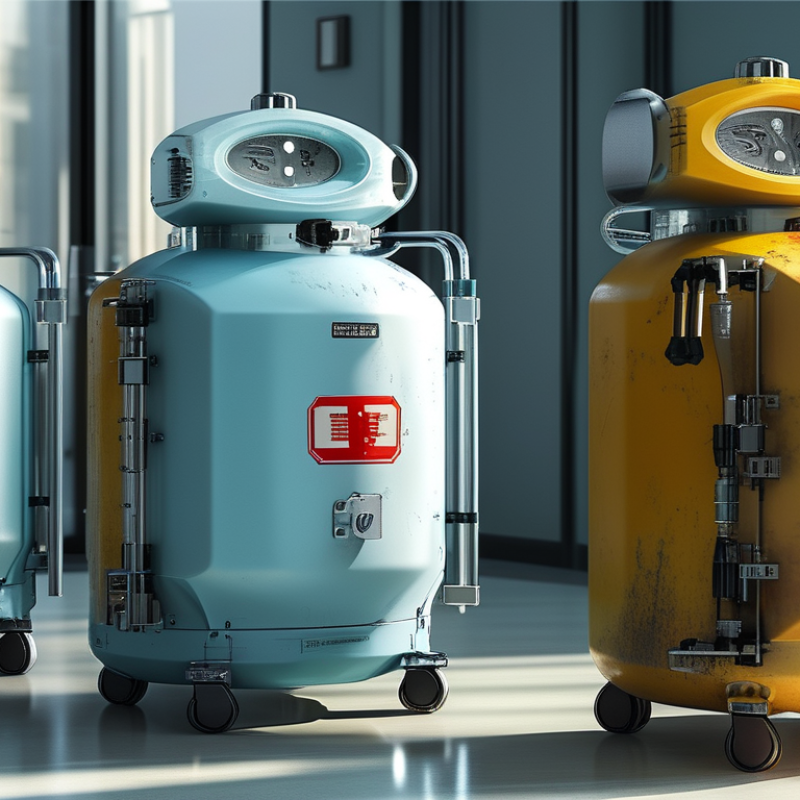
Comparison of Steam Sterilization and EO Sterilization Processes
Steam sterilization and EO sterilization are widely used methods in healthcare settings. Each method has its unique processes, benefits, and limitations. Understanding these differences can help professionals choose the right method for their needs.
Steam sterilization employs high-pressure steam to kill microorganisms. It is effective for heat- and moisture-stable instruments. The method usually takes 15 to 30 minutes. However, certain materials, like plastics and electronic equipment, may not withstand the heat. This can lead to challenges in sterilizing sensitive items.
On the other hand, EO sterilization uses ethylene oxide gas to eliminate pathogens. It is suitable for heat-sensitive items, as it operates at lower temperatures. The process can take several hours, which might not be practical in all settings. Additionally, despite its effectiveness, EO leaves potential residues. These require proper aeration to ensure safety. Understanding these nuances aids in effective decision-making for sterilization practices.
Key Mechanisms: How Steam and EO Kill Microorganisms
Steam and ethylene oxide (EO) sterilization are two widely used methods for disinfecting medical equipment. Their mechanisms of action differ significantly. Steam sterilization uses high-pressure steam. The heat generated effectively denatures proteins in microorganisms, leading to cell death. In a study, it was shown that steam sterilization could achieve a log reduction of 10^6 in bacterial spores, confirming its effectiveness.
On the other hand, EO sterilization works through a chemical process. It penetrates materials and alkylates the cellular components of microorganisms. EO disrupts DNA and enzyme activity, resulting in microbial death. Reports show that EO is effective against a wide range of bacteria, viruses, and fungi. However, EO requires a longer cycle time and specific humidity and temperature conditions. Some critics question its environmental impact and potential toxicity to workers.
While both methods are effective, each has its challenges. Steam sterilization can damage heat-sensitive items, while EO poses a risk of harmful residues. Understanding these differences is crucial for selecting the appropriate sterilization method.
Material Compatibility: What Can Be Sterilized by Each Method?
When choosing between steam and EO (ethylene oxide) sterilization, material compatibility is crucial. Different materials react differently to each method. Steam sterilization uses high temperatures and moisture. It’s effective for most metals, glass, and some plastics. Items like surgical instruments and textiles often withstand this method well. However, certain heat-sensitive materials may degrade or warp.
EO sterilization, on the other hand, uses gas, making it suitable for delicate items. It can sterilize electronics, plastics, and various medical devices without heat. This method is ideal for porous materials that steam cannot penetrate thoroughly. However, EO may leave residues that require additional handling. Understanding how each sterilization method interacts with specific materials is essential.
Each approach has strengths and limitations. For instance, while steam is faster, it might not be suitable for every item. Conversely, EO is versatile but requires longer processing times. These factors can complicate the decision-making process in clinical settings. It’s important to assess your materials carefully to choose the most effective sterilization technique.
Top 10 Differences Between Steam and EO Sterilization
| Aspect |
Steam Sterilization |
EO Sterilization |
| Temperature |
121-134°C |
Low temperature (30-60°C) |
| Cycle Time |
30-60 minutes |
2-8 hours |
| Material Compatibility |
Metal, glass, some plastics |
Thermolabile materials, rubber |
| Mechanism of Action |
Moist heat destroys microorganisms |
Chemical gas disrupts DNA |
| Environmental Impact |
Minimal |
Requires special ventilation |
| Cost |
Generally lower |
Generally higher |
| Sterilization Indicator |
Steam indicators available |
EO specific indicators |
| Packaging |
Steam-permeable wraps |
Ethylene oxide compatible wraps |
| Validation |
Standardized procedures |
Customized validation needed |
| Post-Sterilization Safety |
Immediately safe |
Requires aeration time |
Cycle Time and Efficiency in Steam vs. EO Sterilization
Steam and ethylene oxide (EO) sterilization are two common methods used in healthcare settings. Understanding their cycle time and efficiency can help optimize sterilization processes. Steam sterilization is generally quicker. A typical cycle can take around 30 to 60 minutes, depending on the load and machine type. It penetrates items effectively, making it suitable for materials resistant to moisture. However, it requires items to withstand high temperature and pressure.
EO sterilization, on the other hand, has a longer cycle time. This method can take several hours, depending on factors like aeration time. It’s effective for heat-sensitive instruments, ensuring sterilization without damage. However, the long cycle can be a disadvantage in fast-paced environments. Another point to reflect on is the environmental and health concerns associated with EO. Proper handling and aeration are crucial to avoid potential toxic effects. Balancing the efficiency and reliability of both methods requires thoughtful consideration of the specific needs of the sterilization process.
Safety Considerations in Using Steam and EO Sterilization Methods
When considering sterilization methods, safety is paramount. Steam sterilization utilizes high temperatures and pressure. It is effective but can be hazardous if not properly managed. For instance, a sudden steam release can cause serious burns. Therefore, proper training for operators is essential in such environments. According to a study by the CDC, steam sterilization has a lower risk profile compared to chemical alternatives.
Ethylene oxide (EO) sterilization, on the other hand, poses unique safety risks. EO is a flammable gas and can be toxic when inhaled. Exposure limits are strictly regulated. Moreover, improper ventilation during EO sterilization can lead to harmful accumulations. In fact, OSHA reports that long-term exposure can create respiratory issues. Using EO requires robust safety protocols and air monitoring to mitigate risks.
Tip: Always ensure that the area is well-ventilated when working with EO. Regularly monitor ambient gas levels to keep them within safe limits.
Additionally, it's essential to educate your team on the risks associated with each method. Implementing strict adherence to safety protocols can prevent accidents. Regular safety drills can also enhance preparedness. The choice between steam and EO should factor in both efficacy and safety.
Top 10 Differences Between Steam and EO Sterilization
FAQS
: Steam sterilization uses high-pressure steam to kill microorganisms. It denatures proteins, leading to cell death.
Steam sterilization can achieve a log reduction of 10^6 in bacterial spores, showing its effectiveness.
Steam can cause serious burns if mishandled. Proper training for operators is essential for safety.
EO sterilization uses a chemical process to disrupt DNA and enzyme activity in microbes, causing death.
EO is suitable for delicate items like electronics and certain plastics. It sterilizes without using heat.
Yes, EO is flammable and toxic. Exposure to it can lead to respiratory issues, making ventilation crucial.
Different materials react variably to steam and EO. Assessing compatibility helps avoid damage during sterilization.
Steam can damage heat-sensitive items. EO requires longer cycle times and may leave harmful residues.
Implement strict safety protocols and conduct regular training. Monitoring ambient gas levels is also vital.
Operators must ensure good ventilation and follow safety protocols to mitigate the risks associated with EO.
Conclusion
The article "Top 10 Differences Between Steam and EO Sterilization" provides a comprehensive comparison of steam and ethylene oxide (EO) sterilization methods, highlighting key aspects essential for their application in sterilizing medical and laboratory equipment. Key differences discussed include the mechanisms by which each method eliminates microorganisms, with steam relying on high temperatures and moisture, while EO functions through a gas that penetrates materials at lower temperatures. Additionally, the article explores material compatibility, detailing which items can be effectively sterilized by each method, as well as examines the cycle times and overall efficiency, providing insight into the operational differences.
Safety considerations are also a crucial factor when addressing the question, "What are the differences between steam and EO sterilization?" The article emphasizes the importance of understanding the risks associated with the use of each method, ensuring proper handling and protocols to maximize safety during sterilization processes. Overall, this article serves as a valuable resource for professionals seeking to choose the most appropriate sterilization technique based on specific needs and equipment.

 Jalil Medical