What Is the Role of Tray Liners in Sterilization?

Time:2026-10-18 Author:Henry
0%

Sterilization depends on more than temperature, pressure, and exposure time. It also depends on how instruments are arranged, protected, and transferred. Tray liners sit beneath surgical instruments, creating separation from the tray surface and supporting more controlled handling. They may reduce direct contact, limit scratches, and help prevent small debris from reaching delicate devices.

What role do tray liners play in sterilization efficiency? Their role is supportive, not decisive. A liner must permit steam circulation and condensate drainage without adding unnecessary layers. The CDC Guideline for Disinfection and Sterilization stresses that sterilization effectiveness depends on adequate agent contact, correct loading, and validated cycle conditions (CDC, 2008; updated 2019). AAMI ST79:2017/(R)2022 similarly emphasizes proper packaging, tray preparation, and monitoring within comprehensive sterile processing systems.

Small details matter. A folded liner can obstruct airflow. An oversized liner may become trapped beneath instruments. A damaged liner can also undermine cleanliness during transport. These risks are easy to overlook, especially during busy operating-room turnover. The answer is nuanced. Tray liners may improve organization and protect instruments, but they cannot compensate for overloading, poor cleaning, wet packs, or failed sterilizer parameters.

Published guidance supports process control more strongly than marketing claims about liners. That distinction deserves attention. Facilities should evaluate liner material, compatibility, absorbency, lint performance, and validated use instructions. Local testing remains important because tray design, instrument density, and sterilizer configuration differ. A liner that performs well in one department may create problems in another. Evidence is not perfectly uniform, and more comparative research would improve purchasing decisions. That uncertainty should encourage verification, not assumptions.
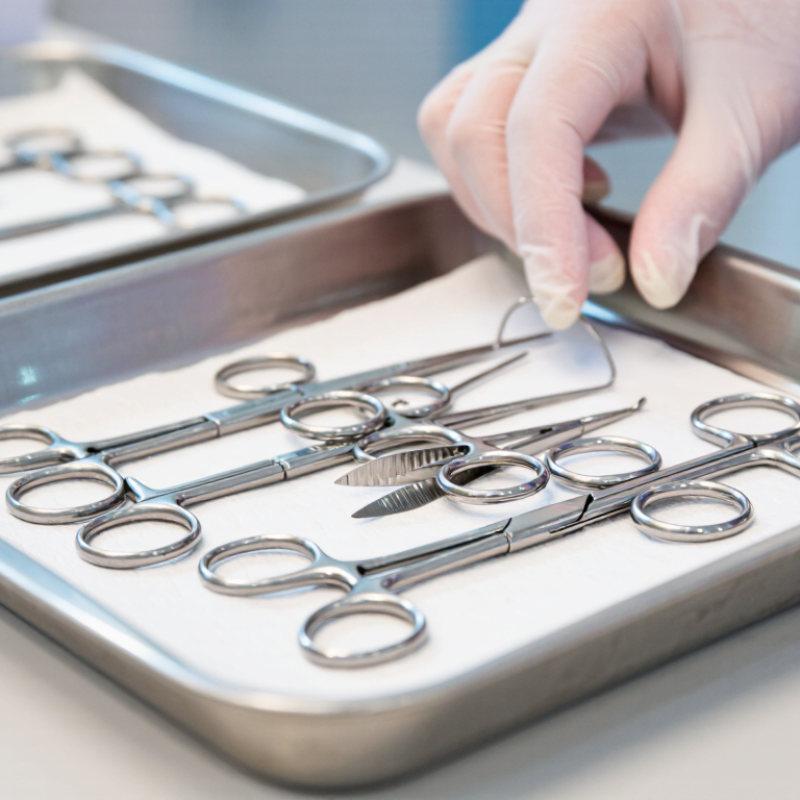
What Is the Role of Tray Liners in Sterilization?

Definition and Purpose of Tray Liners in Sterilization

Tray liners are thin, sterile-compatible sheets placed inside sterilization trays. They create a clean barrier between instruments and the tray surface. Their main purpose is to support handling, drainage, and protection during sterilization and transport. A liner may also reduce scratches caused by metal-to-metal contact. It does not sterilize instruments by itself.

In daily processing, the liner must allow steam, heat, or sterilant contact. Material selection matters. A sheet that blocks moisture may create a hidden cold spot. That risk is easy to overlook. Staff should check the liner’s instructions, thickness, absorbency, and compatibility with the selected cycle. Overloading the tray can still prevent effective sterilization, even when the liner is suitable.

Placement also affects performance. The liner should lie flat without covering instrument joints, hinges, or drainage areas. It should not be folded into thick layers. After processing, workers should inspect the liner for tears, dampness, discoloration, or residue. A damaged liner can compromise clean handling. It is only one part of the process. Tray design, load arrangement, sterilizer monitoring, and staff training remain essential. In practice, small placement errors may matter more than the liner’s appearance. That deserves regular review.

Materials and Design Features of Sterilization Tray Liners

Sterilization tray liners protect instruments from scratches, moisture, and handling damage. Common materials include nonwoven polyester, cellulose blends, and polypropylene. Each behaves differently under heat and steam. Cellulose absorbs condensate well, but it can shed fibers if poorly finished. Polypropylene resists moisture, yet it may hold pooled water without suitable channels. No liner fits every tray.

Design details often matter more than thickness. A low-lint surface supports clean transfer. Perforations allow steam to contact the load instead of creating a sealed pocket. Folded edges should remain flat and avoid blocking the tray’s drain points. A liner must also tolerate the selected cycle without melting, tearing, or hiding chemical indicators. ISO 11607-1 emphasizes material performance and package integrity, while AAMI ST79 addresses steam sterilization practices and load preparation.

The CDC Guideline for Disinfection and Sterilization lists 121°C for 30 minutes in gravity cycles and 132°C for four minutes in prevacuum cycles. These are reference conditions, not universal settings. Actual exposure depends on the sterilizer, load, packaging, and device instructions. A liner that looks dry may still conceal moisture beneath a dense instrument stack. That weakness deserves attention. Routine inspection should check lint, tears, discoloration, wet spots, and blocked perforations. Published guidance is strong, but local validation remains necessary.

What Is the Role of Tray Liners in Sterilization?

Tray liners help protect instruments, support organized loading, and reduce contact with the tray surface. Their material and design must permit sterilant penetration, condensate drainage, drying, and safe handling without shedding fibers or blocking vents.

Representative sterilization temperature ranges: Low-temperature methods such as ethylene oxide and vaporized hydrogen peroxide require liners with suitable chemical compatibility and low outgassing. Steam sterilization requires materials that tolerate saturated heat and moisture while maintaining drainage and airflow. Dry heat requires the highest temperature resistance. Actual cycles vary by equipment, load, packaging system, and validated instructions.

How Tray Liners Support the Sterilization Process

Tray liners support sterilization by stabilizing instruments, improving drainage, and reducing direct contact with the tray surface. Their value is practical, not decorative. A properly sized liner can help prevent sharp edges from puncturing sterilization wraps during loading, transport, and storage. It may also limit scratches and residual moisture beneath heavy instrument sets.

The CDC reports that surgical site infections represent about 20% of healthcare-associated infections. That figure makes small process controls important. However, a liner cannot replace validated cleaning, correct loading, or adequate drying. It does not create sterility by itself. AAMI ST79 identifies a sterility assurance level of 10⁻⁶ for terminally sterilized healthcare products, while ISO 17665 requires validated moist-heat processes. These standards place the main responsibility on the complete system, not one accessory.

In daily practice, staff should select a liner that tolerates the intended cycle and does not block steam circulation. Folded corners can trap condensate. That is easy to overlook. Inspectors should check for tears, shifting, and visible moisture after processing. The CDC’s sterilization guidance also stresses package integrity and proper drying before storage. One imperfect detail remains: “universal” liners may not suit every tray geometry. Testing, documented instructions, and staff feedback are still necessary. A liner supports the process best when it fits the tray, preserves airflow, and works within an established quality system.

Proper Placement and Use of Tray Liners

What Is the Role of Tray Liners in Sterilization?

Proper Placement and Use of Tray Liners

Tray liners help protect instruments and trays during sterilization, handling, and storage. They can reduce scratches, catch small moisture droplets, and support cleaner transfer after the cycle. However, a liner does not create sterility. Steam or another validated sterilant must reach every exposed surface.

Place the liner flat inside a clean, dry tray. Keep it smooth, without thick folds or tightly packed corners. The liner should fit the tray rather than hang over its edges. Do not block perforations, drainage points, or areas needed for sterilant circulation. Instruments should remain open, separated, and arranged according to the facility’s validated loading pattern. A crowded tray can look organized while still limiting exposure.

Check the liner’s material and instructions before use. Not every liner suits every sterilization method. In practice, a slightly damp liner may be dismissed as harmless, but it deserves attention. Moisture can affect handling and may indicate loading, drying, or cycle problems. I have also seen liners placed under heavy instruments, where they folded and covered part of the tray base. That small error required a review of the setup. After sterilization, inspect the package, liner, and instruments for tears, wetness, discoloration, or damage before release.

What Is the Role of Tray Liners in Sterilization? - Proper Placement and Use of Tray Liners
Data Dimension Proper Placement and Use Role in Sterilization Key Control Point
Primary function Place the liner flat on the bottom of the clean, dry tray before loading instruments. Helps protect the tray and instruments from scratches, abrasion, and contact with residue on the tray surface. Supportive function
It does not replace cleaning, packaging, or sterilization.
Protection during handling Use a liner that covers the intended tray surface without folding over instruments or obstructing the lid. Provides a soft separation layer that can reduce movement and metal-to-metal contact during transport and processing. Inspect before use
Do not use a torn, wet, or visibly contaminated liner.
Steam circulation Do not bunch, tightly wrap, or overlap the liner in a way that blocks openings or creates dense folds. Maintains access for sterilant circulation and helps avoid areas where air or moisture could be trapped. Do not obstruct vents
Follow the tray and sterilizer manufacturer’s loading instructions.
Instrument arrangement Arrange instruments in a single, orderly layer when possible; open hinged instruments and avoid overloading the tray. Supports exposure of instrument surfaces to the sterilant and improves drying. Avoid overloading
Overcrowding can interfere with sterilant contact and drying.
Material compatibility Use only a liner specifically validated for the selected sterilization method and cycle. Reduces the risk of melting, tearing, chemical interaction, or release of residues during processing. Verify compatibility
Check the liner’s instructions for use and facility policy.
Moisture management Load the tray so condensate can drain and avoid placing absorbent material where it may remain saturated. Helps reduce retained moisture, which may compromise package integrity or delay safe handling after the cycle. Dry before release
Do not release a wet load unless the applicable procedure specifically allows it.
Chemical indicators Position internal chemical indicators according to the facility’s sterilization procedure, usually in the area considered most difficult for sterilant penetration. Provides process exposure information for the contents; the indicator does not prove sterility. Use correctly
Follow the indicator manufacturer’s instructions and required monitoring policy.
Tray liner reuse Reuse only when the product is explicitly labeled for reuse and the facility has a validated reprocessing procedure. Prevents damage, fiber shedding, and contamination risks associated with unsuitable or worn liners. Single-use may apply
Discard products labeled for single use after the specified application.
Post-cycle inspection After sterilization, check the liner, tray, instruments, packaging, and indicators before storage or distribution. Helps identify tears, discoloration, wetness, damaged packaging, or other signs of an unacceptable load. Document exceptions
Quarantine and investigate items that fail inspection.

Limitations, Safety Considerations, and Best Practices

What Is the Role of Tray Liners in Sterilization?

Tray liners support safer instrument handling during sterilization. They absorb moisture, reduce sliding, and help protect delicate surfaces from scratches. In practical reprocessing areas, a properly sized liner can keep small instruments from shifting during transport. However, liners do not sterilize instruments. They only support the process.

Material choice matters. A liner must allow sterilant penetration and drying. Dense, wet, or folded material may create a barrier. Excessive moisture can also increase contamination risks after the cycle. Technicians should follow validated instructions for the sterilizer, tray, and liner material. Never replace approved procedures with personal assumptions. That mistake is easy to make.

Safety depends on inspection. Check for tears, lint, chemical residue, and trapped moisture before use. Discard damaged liners immediately. Do not overload trays or cover hinged instruments unnecessarily. A liner that extends beyond the tray may touch unclean surfaces during handling. That detail is often overlooked. It should not be.

Tips: Choose the correct size. Keep instruments open. Avoid tight folds. Confirm dryness before storage. Record unusual cycle results and investigate them. When a liner repeatedly causes wet packs, stop using it until the process is reviewed. Small process changes can have serious consequences.

FAQS

What is the main purpose of a sterilization tray liner?

It protects instruments from scratches, moisture, and handling damage. It also supports drainage and reduces direct tray contact.

Which materials are commonly used for tray liners?

Common choices include nonwoven polyester, cellulose blends, and polypropylene. Cellulose absorbs condensate well. Polypropylene resists moisture.

Can one liner fit every sterilization tray?

No liner suits every tray shape or load. A poor fit may cover drain points or restrict steam movement.

Why do perforations matter in a tray liner?

Perforations help steam contact the instrument load. They reduce the chance of sealed pockets forming. Small openings matter.

What design features should staff inspect?

Check low-lint surfaces, flat folded edges, open perforations, and clear drain points. Edges should not curl over the tray.

Can a tray liner replace cleaning or validated sterilization?

No. A liner does not create sterility. Cleaning, correct loading, drying, and validated cycles remain essential.

What problems can occur when a liner holds moisture?

Pooled water may remain beneath dense instrument stacks. Folded corners can trap condensate. A dry surface can mislead staff.

How should a liner be checked after processing?

Inspect for lint, tears, discoloration, wet spots, shifting, and blocked perforations. Do not store a package with visible moisture.

What temperatures and times should be used for steam sterilization?

Reference cycles may include 121°C for 30 minutes or 132°C for four minutes. These settings are not universal. Follow validated local instructions.

What is one weakness of relying on published guidance alone?

Published guidance supports decisions, but local validation is still necessary. Staff feedback can reveal hidden fit problems. Small details deserve review.

Conclusion

Sterilization tray liners are protective inserts placed inside trays to support the safe handling and effective processing of instruments. They help keep items organized, reduce direct contact between instruments and the tray surface, and may absorb moisture or protect delicate components from scratches. Made from materials designed to tolerate heat, steam, or other approved sterilization conditions, tray liners should provide suitable permeability so the sterilizing agent can reach all exposed surfaces. Their design may include flexibility, low lint production, and resistance to tearing or degradation.

What role do tray liners play in sterilization efficiency? When correctly selected and positioned, they can promote orderly loading, improve drainage or drying, and reduce the risk of contamination caused by contact with unsuitable surfaces. Liners must not block vents, wrap instruments too tightly, or interfere with the sterilizer’s circulation. Users should follow validated procedures, inspect liners for damage, avoid reusing disposable products unless specifically approved, and confirm compatibility with both the tray and sterilization method. Proper training and routine quality checks are essential for safe, consistent results.

Henry

Henry

Henry is a dedicated marketing professional with a profound expertise in the company's offerings. With years of experience in the industry, he possesses an impressive understanding of the market dynamics and consumer behaviors that drive success. Henry is committed to sharing his insights through......