How Does Sterilization Packaging Work in Medical Supply Chains?

Time:2026-07-20 Author:Oliver
0%

In the intricate landscape of medical supply chains, understanding how does sterilization packaging work becomes essential. This process ensures that medical instruments remain free from contamination, a critical factor in patient safety. Sterilization packaging, often made from specialized materials, serves as a barrier against environmental factors and microbes. It plays a vital role in the lifecycle of medical supplies, from production to utilization in healthcare settings.

Sterilization packaging must withstand various sterilization methods, such as steam or ethylene oxide. Yet, many overlook the importance of proper sealing and integrity of the packaging. A small flaw can compromise the entire sterilization process. Each package has a designated shelf life, and using expired packaging poses significant risks. While advancements have improved sterility assurance levels, challenges remain in ensuring adherence to protocols across diverse healthcare environments.

Ultimately, comprehending how does sterilization packaging work not only aids manufacturers but also enhances healthcare providers' efforts in delivering safe medical care. There is always room for improvement in training and awareness, as the stakes are high in health outcomes.
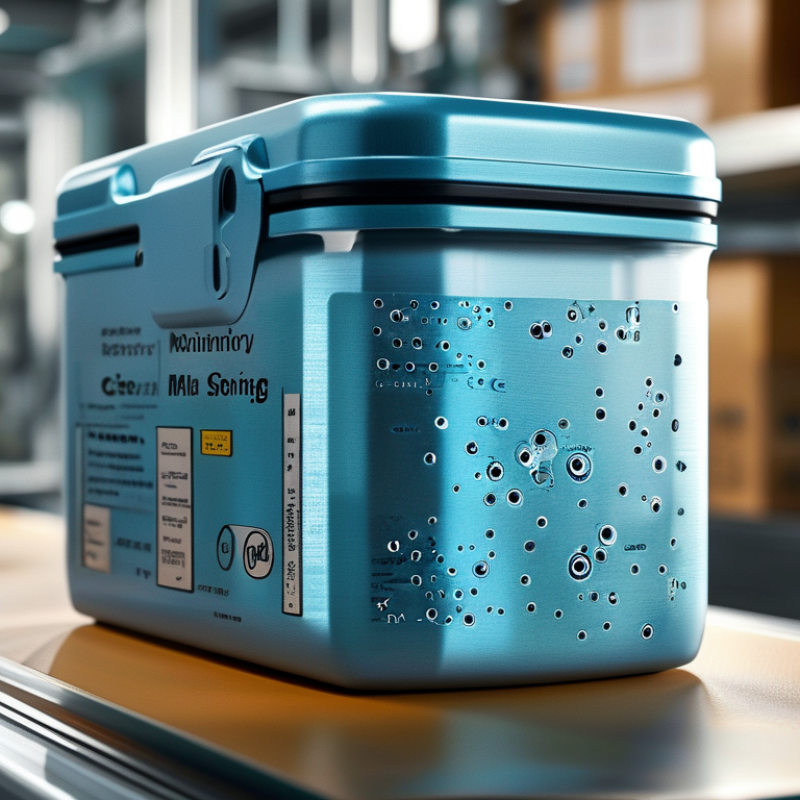
How Does Sterilization Packaging Work in Medical Supply Chains?

Understanding the Role of Sterilization Packaging in Medical Supply Chains

Sterilization packaging plays a crucial role in medical supply chains. It ensures that medical instruments and devices remain free from contamination. These packages are specifically designed to withstand sterilization processes. They must provide a barrier to microorganisms while allowing for the passage of sterilizing agents. This balance is vital for maintaining safety and efficacy.

The selection of appropriate materials is essential. Many packaging options use medical-grade paper or films that meet stringent standards. However, not all materials are equal. Some may compromise sterility due to inadequate seals or breaches. Regular testing and validation are necessary to confirm that the packaging effectively maintains sterility throughout its shelf life.

Improper handling or storage can also affect the integrity of sterilization packaging. Staff must be trained in best practices for managing sterile packages. Observing proper storage conditions is key to preventing damage or contamination. Despite advancements in technology, human error remains a concern. The medical industry must continually assess its processes to enhance safety and reliability. Effective sterilization packaging is an ongoing challenge, requiring commitment and diligence from all stakeholders.

Understanding the Role of Sterilization Packaging in Medical Supply Chains

Key Materials Used in Sterilization Packaging for Medical Devices

Sterilization packaging is essential in ensuring the safety of medical devices. Various materials play a key role in maintaining the integrity of these packages. Common choices include paper, plastic, and Tyvek, each offering unique benefits. Paper allows for breathability, which is vital for steam or ethylene oxide sterilization. Its porous nature helps in moisture removal. However, it can be susceptible to tears during transport.

Plastic materials are frequently used for sterilization. They can provide a strong barrier to moisture and contaminants. However, not all plastics are equal. Some may degrade under sterilization processes. It's essential to choose the right type of plastic to avoid compromising the package. Tyvek is another popular option. It offers excellent air and moisture permeability while being resistant to tears. Yet, Tyvek can be more expensive than other materials.

The choice of packaging materials should align with the specific needs of the medical device. Factors like shelf life, sterilization method, and storage conditions are crucial. Sometimes, packaging might not hold up as expected, leading to product recall risks. Understanding these materials helps manufacturers make informed decisions.

Sterilization Methods: Comparing ETO, Radiation, and Steam Processes

Sterilization methods are crucial in medical supply chains. They ensure the safety and efficacy of medical products. Ethylene oxide (ETO) is a widely used method. It effectively sterilizes heat-sensitive items. ETO penetrates packaging, making it suitable for complex devices. The process requires careful handling due to its toxicity. Reports suggest that ETO is effective in achieving a sterility assurance level (SAL) of 10^-6, widely accepted in the industry.

Radiation sterilization, particularly gamma radiation, is another method. This process involves exposing products to high doses of radiation. It eliminates bacteria, viruses, and fungi. Studies indicate that this method is highly efficient for single-use items. However, radiation can alter material properties, affecting device performance. Many professionals express concern about the compatibility of certain materials with this method.

Steam sterilization, or autoclaving, utilizes high-pressure steam. It is effective for heat-resistant items and is cost-efficient. With an SAL of 10^-6, it remains a standard practice in healthcare settings. Yet, there are limitations; not all items can withstand steam. Materials may degrade, compromise sterility, or lead to equipment damage. These factors highlight the need for careful selection of sterilization methods to safeguard patient safety.

Regulatory Standards Governing Sterilization Packaging in Healthcare

Sterilization packaging in healthcare is governed by strict regulatory standards. These standards ensure that medical supplies remain uncontaminated until use. For instance, the FDA has established guidelines that manufacturers must follow, focusing on the efficacy of sterilization methods and packaging materials.

According to a recent report by the World Health Organization, over 50% of healthcare-associated infections can be traced back to poor sterilization practices. This statistic emphasizes the importance of adherence to guidelines like ISO 11607, which outlines the requirements for packaging used in terminally sterilized medical devices. Proper materials must maintain sterility over time and withstand various sterilization processes, such as steam, ethylene oxide, or gamma radiation.

Despite the clear regulations, challenges remain. Many healthcare facilities struggle with staff training on sterilization protocols. A 2022 survey highlighted that only 65% of staff were confident in their knowledge of these standards. This leads to inconsistency in handling and storing sterilized items. Continuous education and regular audits are essential to bridge this knowledge gap and improve overall compliance.

Impact of Packaging Integrity on Patient Safety and Product Efficacy

Sterilization packaging plays a vital role in medical supply chains. It is the first line of defense against contamination. Packaging materials must maintain integrity throughout storage and transit. Any break or compromise can introduce harmful pathogens. This directly impacts patient safety and the efficacy of medical products.

When sterile packages are not properly sealed or damaged, the risk increases significantly. Healthcare facilities face challenges in assessing package integrity. Visual inspections can help, but they are not foolproof. Often, stress tests are necessary to evaluate the strength of the packaging materials. These tests can identify weaknesses that might not be visible to the naked eye.

Patients trust that the products they receive are safe. Any lapse in packaging integrity can lead to severe consequences. Inadequate sterilization can result in infections or complications during surgical procedures. This emphasizes the need for stringent quality control measures in the supply chain. Continuous improvement in sterilization processes is essential to protect patient health. Each failure is a reminder of the critical importance of reliable packaging.

FAQS

: What are the common materials used in sterilization packaging?

: Common materials include paper, plastic, and Tyvek. Each material has unique benefits for packaging.

Why is paper used in sterilization packaging?

Paper is breathable, which helps remove moisture during steam or ethylene oxide sterilization. However, it can tear easily.

What are the advantages of using plastic in sterilization?

Plastic provides a strong barrier against moisture and contaminants. Yet, not all plastics are suitable for sterilization processes.

How does Tyvek compare to other materials?

Tyvek offers excellent air and moisture permeability and is tear-resistant. However, it is often more expensive than paper or plastic.

How important is the choice of packaging material?

The choice must align with device needs, sterilization methods, and storage. Incorrect choices may lead to recalls or safety risks.

What is ethylene oxide (ETO) sterilization?

ETO sterilization effectively sterilizes heat-sensitive items. It penetrates packaging and requires careful handling due to its toxicity.

What are the efficiency concerns with radiation sterilization?

Radiation, especially gamma, is efficient for single-use items. However, it may alter material properties, affecting performance.

What is steam sterilization, and when is it used?

Steam sterilization uses high-pressure steam to sterilize heat-resistant items. It's cost-effective but not suitable for all materials.

What is a key risk of improper sterilization packaging?

Poor packaging choices may not hold up during transport, increasing the risk of product recalls and jeopardizing patient safety.

How can manufacturers make informed decisions about sterilization?

Understanding material properties and sterilization methods is essential. It helps avoid compromising the integrity of medical devices.

Conclusion

Sterilization packaging plays a crucial role in medical supply chains by ensuring that medical devices remain sterile until they are used. Understanding how does sterilization packaging work is essential for maintaining the integrity of medical supplies. Key materials used in this packaging include polymers and paper composites that are designed to withstand various sterilization methods. The article highlights different sterilization processes, comparing Ethylene Oxide (ETO), radiation, and steam, each with its specific applications and effectiveness.

Regulatory standards govern sterilization packaging to guarantee safety and efficacy in healthcare settings. The integrity of the packaging is vital; any breach can compromise patient safety and the effectiveness of the medical devices. Thus, healthcare providers must prioritize robust sterilization packaging to uphold the highest standards of patient care.

Oliver

Oliver

Oliver is a seasoned marketing professional with a wealth of expertise in driving brand awareness and engagement. With a deep understanding of our company's product offerings, he consistently delivers high-quality content that enriches our professional blog. His insights not only shed light on......