The 2026 Canton Fair is set to unveil innovative advancements in sterilization packaging. This exhibition will showcase how these technologies enhance product safety and shelf life. Potential buyers will benefit from AI-driven tools that streamline the search for qualified suppliers.
This year's focus includes advanced manufacturing and health care. Attendees will have the chance to explore how sterilization packaging works in various sectors. Manufacturers are eager to present their latest solutions. However, understanding the effectiveness and limits of these methods remains crucial.
As buyers navigate through 1.55 million square meters of exhibits, they will encounter a diverse range of packaging options. How does sterilization packaging work? This question resonates through the halls, driving discussions around efficacy and innovation. The fair offers a platform for dialogue on improving these practices for better consumer safety. Challenges in standardization and effectiveness persist, prompting continued exploration in this vital area.
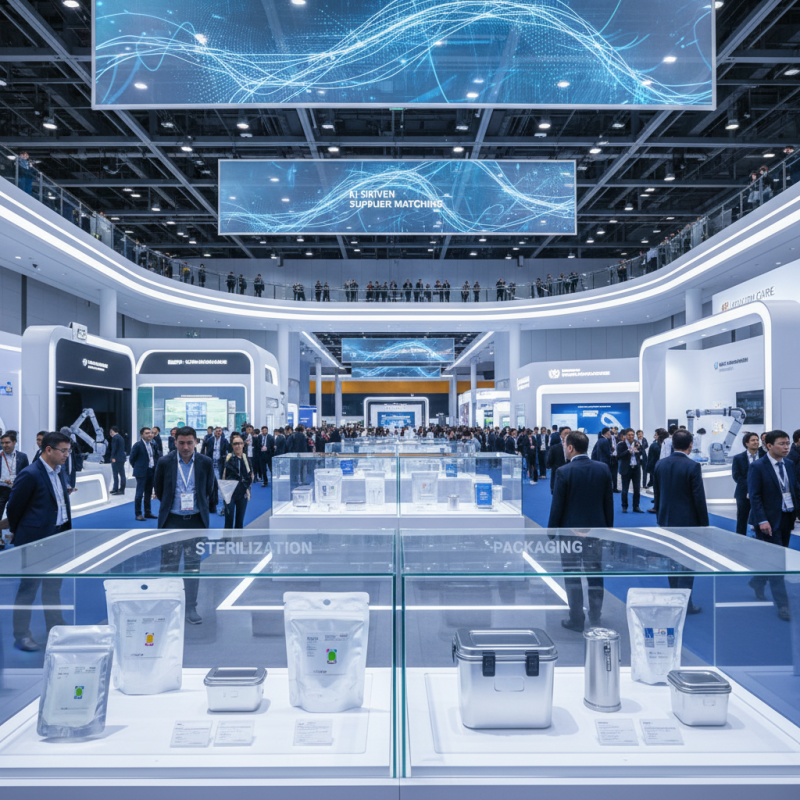
Sterilization packaging plays a crucial role in the medical field. Its primary function is to protect medical instruments from contamination. This ensures that items remain sterile until they reach the point of use. The packaging materials must withstand various sterilization processes, like steam or ethylene oxide.
At events such as the Canton Fair 2026, innovations in sterilization packaging are showcased. Manufacturers present new materials and designs aimed at improving safety and efficiency. Many packagings are clear, allowing for easy visibility of the contents. However, challenges remain. Not all packaging materials can guarantee integrity under stress. Weak points can lead to failures.
The effectiveness of sterilization packaging is often overlooked, yet it is critical. Medical professionals rely on its ability to maintain sterility. There is still room for improvement. Researchers are exploring more sustainable options for packaging. The debate about environmental impact is ongoing. Balancing safety and sustainability is essential. As innovation evolves, so too will the standards for packaging.
Sterilization packaging plays a critical role in the healthcare and food industries. At the Canton Fair 2026, innovative technologies for sterilization packaging will be showcased. These advancements aim to improve safety and efficiency.
Key technologies include heat sealing and chemical sterilization. Heat sealing uses high temperatures to create airtight packages. This process ensures the contents remain sterile until opened. Chemical sterilization often employs ethylene oxide or hydrogen peroxide. These substances eliminate harmful microorganisms effectively.
Despite the growth in these technologies, challenges persist. Not all materials withstand high temperatures. Some packaging may not provide complete barrier protection. Additionally, the environmental impact of chemical sterilization requires further examination. Ongoing research is essential to address these limitations and improve sustainability in sterilization packaging.
At the Canton Fair 2026, sterilization packaging is crucial for ensuring product safety. This process starts with choosing the right materials. These materials must provide effective barriers against microbes and contaminants. Common choices include plastic films and paper-based solutions. Each material has unique properties that impact performance.
Once materials are chosen, the packaging process begins. Products go through rigorous cleaning before packaging. This step eliminates any existing contaminants. After cleansing, products are sealed in the chosen material. The sealing must be tight to prevent any breach. Proper sealing is vital; any gaps can compromise sterility.
After packaging, sterilization methods are applied. Common methods include heat, radiation, and gas. Each method has specific protocols. They require skill and precision for effectiveness. It's essential to monitor these processes closely. Any oversight could lead to failures. The balance between efficiency and thoroughness is often challenging. Proper training and regular assessments are important to enhance these processes.
Sterilization packaging plays a crucial role at the Canton Fair 2026. It ensures that products remain uncontaminated and safe for consumers. Recent reports indicate that the global sterilization packaging market is projected to reach $7.5 billion by 2027. This growth highlights the importance of effective packaging in various industries, including healthcare and food services.
One key benefit of sterilization packaging is its ability to extend shelf life. By creating a barrier against environmental factors, products can be stored longer without losing quality. Data from industry studies shows that sterilized products experience up to 30% less spoilage. This not only enhances product safety but also reduces waste significantly.
**Tips:** Choose materials that suit your product type. Not all packaging is created equal. Assessing the specific needs of your items leads to better selections.
Another advantage is the adaptability of sterilization packaging. It can cater to diverse goods, from medical instruments to packaged foods. However, some companies struggle with the transition to newer technologies. A survey revealed that 25% of businesses are hesitant to adopt advanced packaging methods. This highlights a gap that requires strategic reflection.
**Tips:** Consider pilot projects when implementing new packaging technologies. Small steps can lead to significant improvements over time.
The Canton Fair 2026 is set to showcase innovative trends in sterilization packaging. The industry is rapidly evolving. Companies are pushing for solutions that enhance safety and efficiency. Sustainability is a hot topic. Manufacturers are exploring biodegradable materials. These options may reduce environmental impact.
When considering sterilization packaging, it's crucial to focus on usability. Easy-to-open features can improve the user experience. Packaging should also ensure that its contents remain uncontaminated. This balance can be tricky to achieve. Feedback from consumers is essential for ongoing improvement.
Tips: Remember that testing new materials is necessary. Not all biodegradable options work the same way. Engage with suppliers about their product offerings. Stay updated on the latest research in sterilization practices. Explore networking opportunities at the fair for valuable insights. Keeping an eye on emerging technologies can lead to revolutionary packaging solutions.
: Sterilization packaging ensures safety in healthcare and food industries by preventing contamination.
Common materials include plastic films and paper-based solutions, each with unique properties affecting performance.
Heat sealing uses high temperatures to create airtight packages, keeping contents sterile until opened.
The environmental impact and the need to examine safety protocols are ongoing challenges in chemical sterilization.
Tight seals prevent breaches that can compromise sterility, making it essential for product safety.
Sterilization packaging extends shelf life, reducing spoilage by up to 30% while enhancing product quality.
A significant number of businesses hesitate to switch due to uncertainties about advanced methods and their effectiveness.
Consider starting with pilot projects. Small steps can lead to meaningful advancements over time.
Any oversight in monitoring can lead to failures, emphasizing the need for skill and careful observation.
The sustainability and environmental impact of various sterilization methods require ongoing research and reflection.
Sterilization packaging plays a crucial role in the medical field by ensuring the safety and integrity of sterile products. "How does sterilization packaging work?" involves a combination of advanced technologies and systematic processes. Key technologies include materials that provide barrier protection, methods of sterilization such as steam, ethylene oxide, or radiation, and design features that facilitate easy opening while maintaining sterility.
At Canton Fair 2026, the implementation of these packaging solutions will showcase their benefits, including enhanced product safety, extended shelf life, and improved logistical efficiency. As the industry evolves, future trends are likely to focus on sustainable materials and smart packaging technologies that can provide real-time monitoring of sterilization conditions, underscoring the importance of innovation in this critical aspect of healthcare.

Jalil Medical