Sterilization is a critical process in various industries, particularly in healthcare. Unfortunately, sterilization failures can occur, leading to potential risks for patients. According to the World Health Organization, approximately 10% of healthcare-associated infections are linked to sterilization issues. This statistic underscores the vital importance of understanding sterilization protocols.
What are common sterilization failures and how to prevent them? Common failures can result from incompatible materials, inadequate exposure time, or equipment malfunction. For instance, a study by the Centers for Disease Control and Prevention revealed that 30% of sterilization failures were due to operator error. These failures often prompt reflections on the adequacy of training and adherence to protocols.
To mitigate such failures, adherence to best practices is essential. Regular maintenance of sterilization equipment can enhance reliability. Additionally, thorough staff training ensures that protocols are well understood. Organizations must prioritize ongoing education to reduce risks. With the right focus on these elements, the chances of sterilization failures can be significantly minimized.
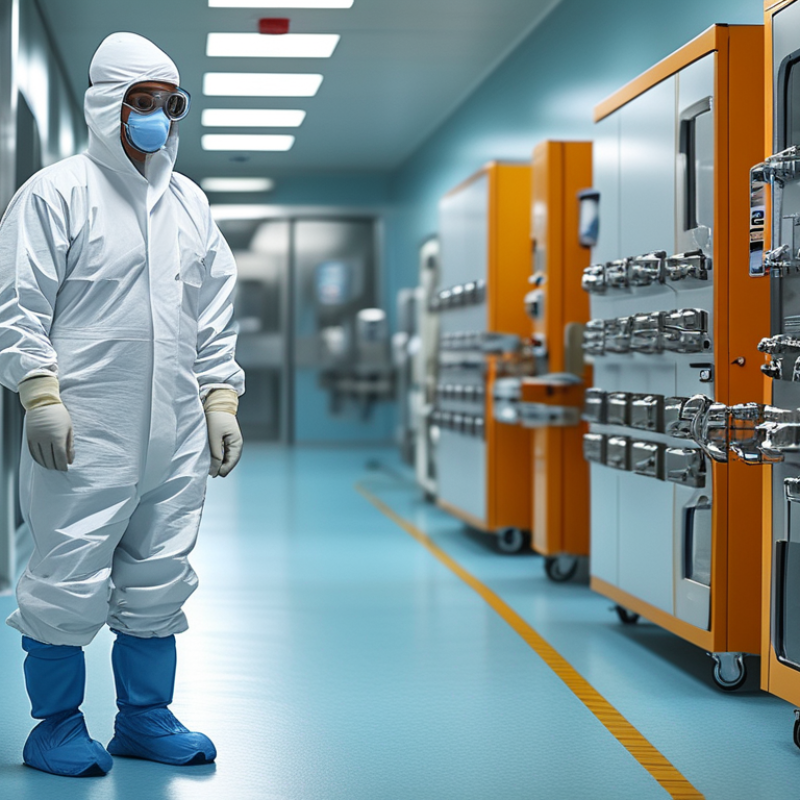
Sterilization failures in medical settings can have serious implications. Numerous factors contribute to these failures, including human error, inadequate equipment, and lack of training. According to the CDC, improper sterilization techniques account for approximately 30% of all sterilization failures. Inadequate monitoring of sterilization processes can lead to ineffective sterilization, increasing the risk of infection.
One major factor is operator knowledge. Often, personnel may not fully understand the sterilization cycles of different devices. A study published in the Journal of Healthcare Engineering revealed that 40% of healthcare workers were unaware of the critical parameters for sterilization. Regular training sessions can bridge this knowledge gap.
Tips: Implementing routine audits can identify potential issues before they become significant problems. Ensure that staff are constantly educated on best practices. Use checklists to verify each step in the sterilization process.
Another contributing factor is equipment performance. Outdated sterilization units may not reach necessary temperatures consistently. The World Health Organization advises hospitals to regularly maintain and upgrade their sterilization equipment. Monitoring equipment performance can significantly reduce risks.
Tips: Schedule periodic evaluations of sterilization equipment. Document any inconsistencies in sterilization cycles to address issues promptly. Cultivating a culture of safety is essential for effective sterilization procedures.
Sterilization methods play a crucial role in ensuring safety in various industries, including healthcare. Different techniques include steam sterilization, ethylene oxide, and hydrogen peroxide plasma. Each method has its own effectiveness and limitations. For instance, steam sterilization is widely used due to its reliability. Yet, it may fail if the sterility indicators do not function correctly or if air pockets form in the load.
Ethylene oxide is effective for heat-sensitive items but can be inconsistent if exposure times and concentrations are not carefully monitored. Hydrogen peroxide plasma is newer and less established. Its reliability is still under study, and there can be issues with material compatibility. Each sterilization method requires strict adherence to protocols. Failing to do so can lead to contamination.
Awareness of common pitfalls is essential. For instance, improper loading of sterilizers can hinder effectiveness. Operator errors, like inaccurate temperature readings, can result in sterilization failures too. Regular training and audits can help mitigate these issues. Understanding these factors is vital for maintaining a high standard of safety in sterilization processes.
| Sterilization Method | Common Failures | Effectiveness (%) | Prevention Tips |
|---|---|---|---|
| Autoclaving | Inadequate temperature or pressure | 99.9 | Regular maintenance, correct load configuration |
| Dry Heat Sterilization | Insufficient exposure time | 90.0 | Use timers, validate time and temperature |
| Chemical Sterilization | Improper concentration of chemicals | 95.0 | Properly prepare and store solutions, monitor exposure time |
| Radiation Sterilization | Inadequate radiation dose | 99.5 | Calibrate equipment, validate dose delivery |
| Steam Sterilization | Air pockets preventing steam penetration | 98.0 | Ensure proper loading and use of steam indicators |
Equipment maintenance plays a vital role in preventing sterilization failures. Regular checks and servicing of sterilization devices can significantly reduce errors. According to the Association for the Advancement of Medical Instrumentation, improper maintenance is responsible for nearly 30% of sterilization failures. Factors such as worn gaskets or malfunctioning sensors directly impact effectiveness.
Tips for maintenance include creating a schedule for routine inspections. Use a checklist for daily, weekly, and monthly tasks. This ensures that each component of the sterilizer is functioning correctly. Keeping a record of these maintenance activities helps trace issues back to their source.
Moreover, staff training is essential. Employees should understand the importance of sterilization protocols and equipment functionality. Inadequate training can lead to mishandling of devices. A study by the CDC indicates that organizations with regular training sessions report 20% fewer sterilization errors. Encourage a culture of continuous improvement and accountability among staff.
Effective sterilization is essential in healthcare settings. To achieve reliable results, one must follow best practices. Consistent monitoring of sterilization parameters is critical. Regularly verify temperature, pressure, and exposure time. Document these checks for accountability.
Training staff is equally important. Personnel should fully understand sterilization protocols. They need to know the reasons for specific practices and the consequences of neglect. Hands-on training reinforces these concepts. Engaging staff in discussions about past sterilization failures can provide valuable insights.
Regular equipment maintenance cannot be overlooked. Equipment should be inspected routinely to avoid unnoticed malfunctions. Reflections on past incidents can inform future practices. Consider the impact of human error. Implementing checklists can reduce mistakes and enhance compliance.
This chart illustrates the common causes of sterilization failures based on industry data, highlighting the most significant factors affecting the effectiveness of sterilization procedures.
Sterilization is critical in healthcare settings, yet failures can occur. One of the leading causes is inadequate training of staff. A recent industry report indicated that 30% of sterilization failures are attributed to human error. Ensuring that all personnel understand sterilization protocols is essential. Regular training sessions can help reinforce proper techniques and the importance of compliance.
To enhance sterilization safety, healthcare facilities should implement comprehensive education programs. These programs should cover not only the “how” but also the “why” behind sterilization processes. For example, understanding the consequences of improper sterilization can drive compliance. An audit found that facilities with structured training saw a 50% decrease in sterilization errors.
Tips: Incorporate hands-on simulations into training. This approach helps staff practice in a controlled environment. Also, consider using checklists to remind staff of essential sterilization steps. Continuous learning and development are keys to reducing failures. Encourage staff to voice concerns or share experiences about sterilization practices. Open dialogue fosters a culture of safety and accountability.
: Human error, inadequate equipment, and lack of training often lead to sterilization failures.
Improper techniques account for about 30% of sterilization failures, based on CDC data.
Many healthcare workers lack knowledge about sterilization cycles, impacting effectiveness.
About 40% of healthcare workers are unaware of critical sterilization parameters.
Regular training sessions and routine audits can enhance knowledge and compliance.
Outdated devices may not achieve necessary temperatures for effective sterilization.
Periodic evaluations should be scheduled to ensure equipment performance remains optimal.
Facilities with comprehensive training saw a 50% decrease in sterilization errors.
Simulations allow staff to practice sterilization protocols in a controlled setting.
Encouraging staff to share concerns fosters a culture of safety and accountability.
Sterilization failures in medical settings can significantly compromise patient safety and treatment outcomes. Common sterilization failures include inadequate equipment functioning, improper handling of sterile instruments, and insufficient training of staff. To address these issues, it is crucial to understand what are common sterilization failures and how to prevent them. Regular maintenance of sterilization equipment plays a vital role in ensuring effectiveness, while adherence to best practices—such as proper packaging and monitoring sterilization conditions—can greatly reduce the risk of errors.
Furthermore, ongoing training and education for healthcare professionals are essential in fostering compliance and enhancing safety protocols related to sterilization procedures. By actively engaging in these preventive measures, medical facilities can uphold high standards of hygiene and effectively safeguard their patients against potential risks associated with sterilization failures.

Jalil Medical