In the current healthcare landscape, ensuring patient safety is a cornerstone of effective hospital management. A recent report by the World Health Organization indicates that up to 10% of patients may experience hospital-acquired infections. This underscores the importance of sterilization practices. A crucial question arises: How to integrate sterilization monitoring into hospital workflows?
Effective integration of sterilization monitoring can significantly reduce infection rates and improve patient outcomes. Yet, the complexities of hospital systems often hinder seamless implementation. Studies show that only 25% of hospitals consistently monitor sterilization processes. This gap reveals an urgent need for improvement and innovation. Failing to address this issue can lead to compromised patient safety and trust.
To overcome these challenges, hospitals must evaluate their current practices critically. A well-informed approach includes adopting technology that provides real-time monitoring and reporting of sterilization processes. However, many facilities lack the necessary infrastructure or training. Addressing these barriers will be essential for fostering a culture of safety and compliance in healthcare settings. Integrating sterilization monitoring effectively can pave the way for enhanced operational efficiency and better patient care.
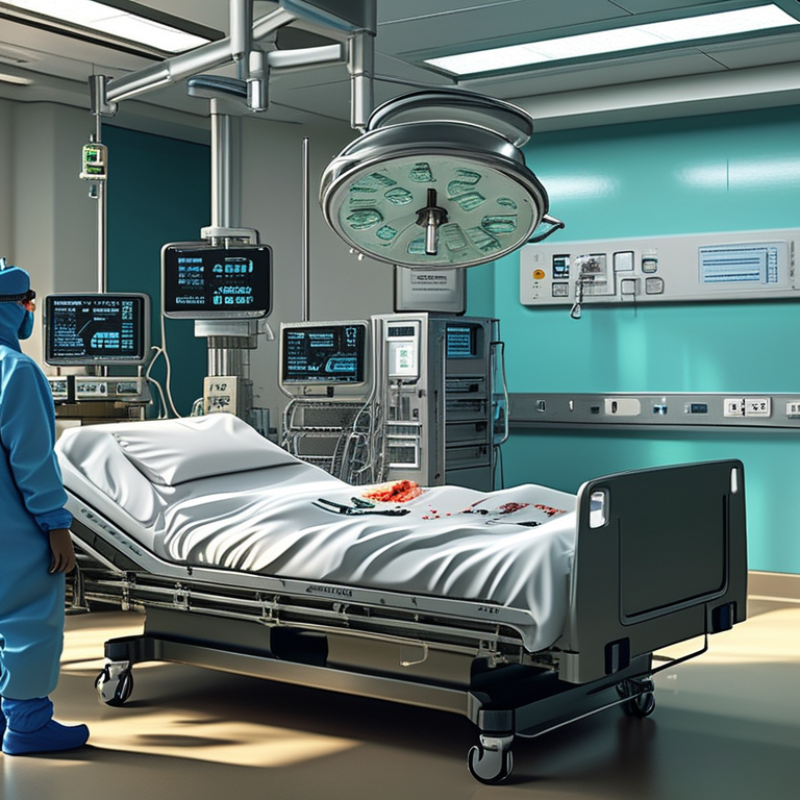
Sterilization monitoring is critical in hospitals. This process ensures that surgical instruments and equipment are free from harmful pathogens. Effective monitoring protects both patients and healthcare staff. Hospitals face constant pressure to maintain high standards of safety. Any lapse in sterilization can lead to serious infections. The consequences can be dire, affecting recovery times and overall patient outcomes.
Understanding the importance of sterilization monitoring goes beyond compliance. It requires constant training and awareness among healthcare providers. Regular checks and quality audits are essential. Many hospitals still struggle with outdated practices. Staff may overlook automatic monitoring systems. This gap can lead to potential hazards. Continuous education on proper protocols is vital. Engaging all staff members in this process fosters a culture of safety.
Monitoring requires the right balance of technology and human oversight. While machines can perform efficient checks, human judgment is irreplaceable. In reflecting on current practices, hospitals must evaluate their effectiveness. Are the existing methods robust? Regular reflections on these questions can drive improvements. A commitment to best practices narrows the risk of contamination.
Effective sterilization monitoring systems are essential in hospitals. They help prevent infections and ensure patient safety. A key component is the use of biological indicators. These are small vials that contain spores of resistant bacteria. By incubating these indicators, hospitals can confirm whether sterilization processes are effective. Regular testing with these indicators is crucial.
Another important aspect is the use of data tracking software. This software records sterilization cycle parameters. It can identify trends and anomalies in the sterilization process. With real-time monitoring, hospitals can quickly address any deviations. Proper training for staff is also vital. Even the best systems can fail without knowledgeable operators. Staff should be equipped to interpret results and respond appropriately.
Visual audits of sterile storage areas can reinforce compliance. Regular checks can reveal problems that might be overlooked. Some hospitals find it challenging to maintain consistent practices. Reflecting on these areas can lead to improvements. Continuous quality improvement should be the goal, not just meeting standards. By recognizing limitations, hospitals can enhance their sterilization protocols.
| Component | Description | Benefits | Implementation Considerations |
|---|---|---|---|
| Biological Indicators | Used to confirm the effectiveness of sterilization processes. | Ensures patient safety by verifying sterility. | Regular schedule and documentation required. |
| Chemical Indicators | Changes color to indicate exposure to sterilization conditions. | Quick visual check for sterilization cycles. | Must be used in conjunction with biological indicators for validation. |
| Data Management Systems | Software to track and manage sterilization data. | Enhanced oversight and reporting capabilities. | Integration with existing hospital information systems is essential. |
| Training and Compliance | Programs to educate staff on sterilization protocols. | Reduces errors and ensures adherence to standards. | Regular refresher courses and compliance checks recommended. |
Implementing a successful sterilization monitoring program in hospitals is crucial for patient safety and operational efficiency. Start by assessing existing sterilization processes and identifying potential gaps. According to the World Health Organization (WHO), approximately 10% of patients acquire infections during hospital stays, highlighting the need for effective monitoring systems.
Next, establish clear protocols. Data from the Association for the Advancement of Medical Instrumentation (AAMI) indicates that over 80% of surgical site infections stem from improper sterilization. Hospitals must train staff on these protocols to ensure compliance. Regular audits and evaluations should be conducted to track effectiveness. Many facilities overlook this step, leading to inconsistencies and potential risks.
Consider incorporating advanced technologies for tracking sterilization processes. In recent studies, 70% of hospitals reported improved compliance using digital monitoring systems. These systems allow real-time data collection and can enhance traceability of sterilized items. However, familiarize staff with technology. An absence of adequate training could lead to errors and inadequate sterilization, undermining the program’s goals. Balancing technology with human factors is essential for optimal outcomes.
Effective sterilization monitoring is crucial in hospitals. Yet, achieving efficiency requires thorough staff training. Staff plays a vital role in ensuring sterilization protocols are followed. They must understand the processes and importance of their responsibilities. Training should be hands-on and cover practical applications.
Regular training sessions can enhance staff confidence. Smaller groups allow for more interactions, making learning engaging. Training may reveal gaps in knowledge. It’s important to encourage questions and discussions. Sometimes, even experienced staff may overlook best practices. This is where refresher courses can help.
Feedback from staff can guide training improvements. Monitoring effectiveness should be an ongoing process. Not all staff will grasp concepts immediately. Continuous education is key. Hospitals must foster an environment where learning persists. This way, the integrity of sterilization monitoring remains uncompromised.
This chart represents the average compliance rates of sterilization monitoring practices in hospitals over a six-month period. It highlights the importance of training staff and integrating monitoring systems to enhance sterilization efficacy.
Effective sterilization monitoring in hospitals is crucial for patient safety. Many facilities struggle with compliance and documentation. Regular assessments can improve these processes significantly.
One common challenge is maintaining accurate records. Many hospitals use outdated tracking methods. This can lead to errors and miscommunication among the staff. Embracing digital tools can help streamline documentation. Automated systems ensure real-time data collection. They reduce the risk of human error and enhance accountability.
Tips: Implement regular training sessions for staff. Everyone should be familiar with monitoring protocols. Additionally, perform routine reviews of monitoring data. This practice can highlight inconsistencies and areas for improvement. Encourage transparency among team members to foster a culture of accountability.
A hospital should also establish feedback loops. Sharing insights from sterilization audits can lead to practical improvements. Staff should feel comfortable discussing obstacles they face. This dialogue can guide the facility in refining its sterilization practices. By focusing on both technology and communication, hospitals can significantly enhance their sterilization monitoring processes.
: It ensures surgical instruments are free from harmful pathogens, protecting patients and staff.
Lapses can lead to serious infections, affecting recovery times and overall patient outcomes.
Regular training and quality audits can significantly improve monitoring efforts.
Staff must be familiar with protocols and responsibilities to ensure efficiency and safety.
Yes, many facilities still struggle with old methods that can compromise safety.
Encourage questions and hold refresher courses to reinforce best practices.
Automated systems can streamline documentation and reduce the risk of human error.
Not all staff grasp concepts immediately, so ongoing learning maintains protocol integrity.
Sharing insights from audits allows facilities to refine practices and overcome challenges.
Encouraging transparency fosters accountability and strengthens the culture of safety.
In the modern healthcare environment, understanding how to integrate sterilization monitoring into hospital workflows is crucial for maintaining patient safety and operational efficiency. Effective sterilization monitoring systems are built on key components, including consistent monitoring protocols, staff training, and regular evaluation of sterilization processes. By implementing a structured sterilization monitoring program, hospitals can ensure the reliability of their sterilization procedures, significantly reducing the risk of infections.
Training staff on efficient sterilization monitoring practices is essential to create a culture of safety and accountability within healthcare facilities. Furthermore, ongoing evaluation and improvement of sterilization monitoring processes allow hospitals to adapt to new challenges and enhance their infection control measures. By prioritizing these elements, hospitals can seamlessly integrate sterilization monitoring and ultimately improve patient outcomes and trust in their care.

Jalil Medical