Top Regulations for Medical Sterilization Packaging in 2026?

Time:2026-06-01 Author:Aria
0%

As the medical industry advances, the importance of reliable sterilization packaging cannot be overstated. In 2026, understanding "What regulations govern medical sterilization packaging?" will be crucial for manufacturers and healthcare providers. Dr. Emily Johnson, a leading expert in medical device safety, emphasizes, "Regulations shape the effectiveness and safety of sterilization practices." Her insights highlight the significance of compliance in this field.

Regulatory bodies like the FDA and ISO continue to refine guidelines, ensuring that packaging meets rigorous safety standards. These regulations are not merely bureaucratic; they influence product design, materials, and functionality. Companies must stay informed to navigate these evolving requirements effectively. Without proper adherence, the risk of contamination increases, potentially jeopardizing patient safety.

Navigating these regulations can be challenging. Experts often stress the need for continuous education and adaptability. Many manufacturers struggle to keep up, leading to gaps in understanding and compliance. This ongoing evolution prompts the industry to reflect on its practices, reinforcing the responsibility to uphold high standards in medical sterilization packaging.
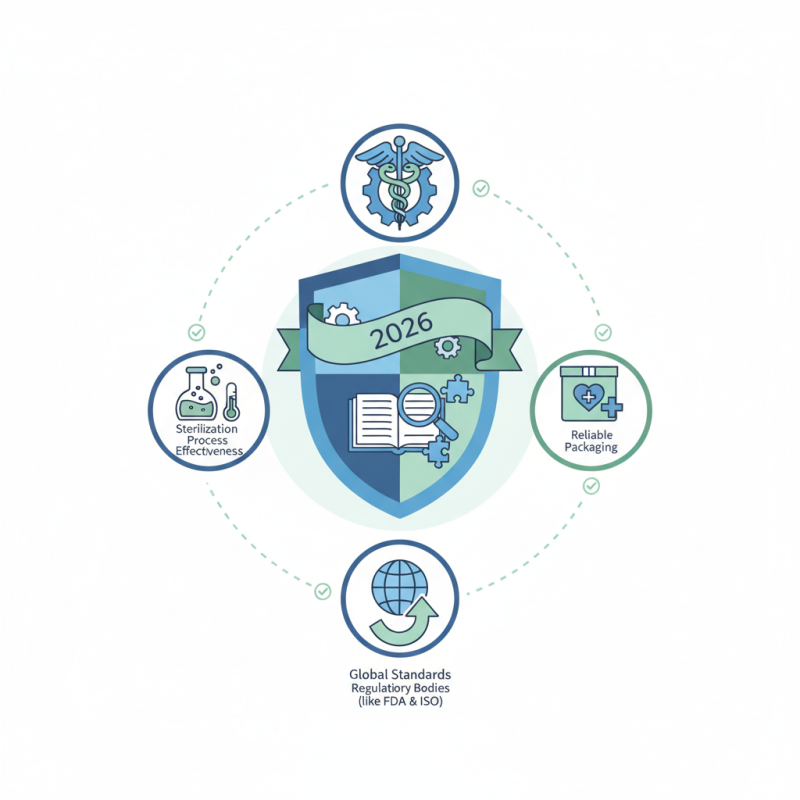
Top Regulations for Medical Sterilization Packaging in 2026?

Key Regulatory Frameworks Shaping Medical Sterilization Packaging in 2026

As we approach 2026, the regulatory landscape for medical sterilization packaging is evolving. Key regulatory frameworks are emerging to ensure safety and effectiveness. The focus is on packaging that maintains sterility throughout its lifecycle. Regulatory bodies are prioritizing standards for material selection, shelf-life testing, and barrier integrity.

The International Organization for Standardization (ISO) is enhancing its guidelines. Specific standards outline requirements for testing packaging materials against microbial ingress. Compliance with these standards is crucial for manufacturers. Documentation must reflect rigorous testing scenarios and realistic simulated conditions.

Moreover, environmental considerations are gaining traction. Regulations are pushing for sustainable materials that still meet safety standards. This shift might raise questions about performance. Manufacturers need to balance eco-friendly options with the stringent requirements of medical safety. Ongoing conversations around these challenges are essential.

Current ISO Standards Impacting Medical Device Packaging Safety

In 2026, adherence to ISO standards will be crucial for medical device packaging safety. The ISO 11607 standard outlines essential requirements for packaging designed for terminally sterilized medical devices. This includes material testing, ensuring barrier properties, and package integrity. Noncompliance can lead to product recalls and increased costs.

Recent studies indicate that nearly 25% of medical device packaging fails to meet regulatory standards. This highlights the pressing need for manufacturers to invest in quality control. Changes in ISO standards emphasize the importance of traceability and documentation in the packaging process. Ensuring compliance can foster trust and ensure patient safety.

**Tip:** Regularly audit your packaging processes. Keeping up with ISO guidelines can significantly reduce risk. Engage with certified professionals to evaluate your packaging systems.

Furthermore, understanding materials used in packaging matters. Materials should withstand sterilization processes without compromising structural integrity. Poor choices can lead to breaches in sterility. Regular training for staff on regulatory updates is also critical.

**Tip:** Stay informed about iterative updates to ISO standards. Consider attending workshops and forums dedicated to medical packaging. This promotes a culture of safety and quality within organizations.

Top Regulations for Medical Sterilization Packaging in 2026

ISO Standard Description Impact on Safety Implementation Year
ISO 11607 Packaging for terminally sterilized medical devices Ensures integrity and sterility of devices Revised in 2021
ISO 13485 Quality management systems for medical devices Enhances product reliability Updated in 2016
ISO 14971 Application of risk management to medical devices Promotes safety through risk assessment Revised in 2019
ISO 11607-2 Validation of packaging process for terminally sterilized medical devices Ensures packaging methods are validated for efficacy Current as of 2021
ISO 17025 General requirements for the competence of testing and calibration laboratories Supports testing reliability for sterilization processes Revised in 2017

Emerging Trends in Biocompatibility and Material Safety Regulations

As we look ahead to 2026, the landscape of medical sterilization packaging is evolving rapidly. The focus on biocompatibility and material safety has intensified, driven by both regulatory changes and technological advancements. According to a recent report from the International Sterilization Standards Association, the demand for materials that meet stringent biocompatibility standards is projected to grow by over 15% annually.

Companies must prioritize testing for cytotoxicity, irritation, and sensitization. The FDA's new guidelines mandate comprehensive evaluations of materials used in packaging. This scrutiny is essential for ensuring patient safety. Yet, many companies still struggle to adapt to these evolving requirements. They may find themselves in a reactive mode instead of a proactive stance, which could lead to compliance issues.

Tips: Regular training for staff on updated regulations is crucial. Integrating biocompatibility assessments into early-stage design can save time and resources. Evaluating suppliers’ materials against industry standards should be a routine practice.

The ongoing evolution emphasizes the need for reliable testing protocols. Yet, inconsistencies among different testing laboratories can complicate compliance. Organizations should remain vigilant, as maintaining credibility hinges on aligning with the latest standards. Embracing a culture of continuous improvement will be vital for those in the industry looking to lead in this challenging environment.

Top Regulations for Medical Sterilization Packaging in 2026

This chart illustrates the importance level (on a scale of 1 to 10) of various medical sterilization packaging regulations anticipated in 2026. Key standards include ISO 11607, ASTM F1980, FDA Guidance, EU MDR, and ISO 13485, which are crucial for ensuring safety and biocompatibility in medical devices.

The Role of FDA Guidelines in Sterile Barrier System Validation

In 2026, adhering to FDA guidelines becomes crucial for medical sterilization packaging. These guidelines ensure that sterile barrier systems are validated effectively. To maintain sterility, manufacturers must rigorously test their packaging under various conditions. Each test should simulate real-world scenarios to confirm the integrity of the packaging.

Tips: Regular audits can help identify potential lapses in compliance. Document all processes meticulously to facilitate easier validation. Collaborate with packaging engineers to develop innovative solutions.

Thermal and radiation sterilization methods have specific requirements outlined by the FDA. Understanding these methods is essential for any medical device company. While processes seem clear, manufacturers often overlook critical details during validation. Continuous training and staying updated with regulatory changes is vital.

Tips: Engage your team in regular training sessions. Share insights from industry discussions to enhance knowledge. Foster an environment where queries about compliance are encouraged. This proactive approach helps in identifying gaps earlier in the process.

Impact of Global Market Trends on Regulatory Compliance Strategies

The medical sterilization packaging industry faces evolving global market trends. As demand for safe medical devices rises, so do regulatory expectations. Companies must adapt their compliance strategies to meet these new challenges. This adaptation is crucial in maintaining product integrity and patient safety.

Market trends emphasize sustainability and innovation. More organizations prioritize eco-friendly materials and processes. This shift prompts manufacturers to rethink their packaging solutions. However, balancing sustainability with compliance can be tricky. Some companies may struggle to find the right materials that meet stringent regulations while being environmentally friendly.

One major concern is maintaining sterility during transit. Regulations are tightening on how packaging can withstand various conditions without compromising safety. Companies need to conduct thorough testing and validation. However, not all stakeholders understand the complexities involved in achieving compliance. This gap might lead to inconsistent practices within the industry. Reflection on these issues is critical for future improvements and better preparedness in the evolving market landscape.

FAQS

: What are the key regulatory frameworks for medical sterilization packaging in 2026?

: The focus is on ensuring safety, effectiveness, and maintaining sterility throughout the packaging lifecycle.

Why is compliance with ISO standards important for manufacturers?

Noncompliance can lead to product recalls, increased costs, and jeopardized patient safety.

What proportion of medical device packaging fails to meet regulatory standards?

Nearly 25% of medical device packaging does not comply with necessary regulations.

How can manufacturers improve their compliance with ISO guidelines?

Regular audits, engaging certified professionals, and ongoing staff training on regulations are essential for quality control.

What are the emerging trends in biocompatibility for packaging materials?

There’s growing demand for materials that meet stringent biocompatibility standards, projected to rise over 15% annually.

What challenges do companies face regarding material testing for compliance?

Many struggle to adapt proactively, increasing the risk of compliance issues due to evolving regulations.

How can organizations ensure reliable testing protocols?

Consistent evaluation of supplier materials against standards and remaining up-to-date with the latest regulations is crucial.

What is essential for maintaining a culture of safety in packaging organizations?

Continuous training on updates and integrating biocompatibility assessments early in the design process are vital.

Why is communication about environmental considerations important?

Balancing eco-friendly materials with compliance requirements poses performance questions that need ongoing discussions.

What should companies prioritize to ensure the integrity of their packaging?

Materials must withstand sterilization processes without compromising structural integrity to maintain sterility.

Conclusion

The article "Top Regulations for Medical Sterilization Packaging in 2026" explores the essential regulatory frameworks that dictate the safety and efficacy of medical sterilization packaging. It addresses the various current ISO standards that ensure packaging safety for medical devices, emphasizing the importance of compliance in an evolving regulatory landscape. Additionally, it highlights emerging trends in biocompatibility and material safety regulations that are crucial for manufacturers.

A key focus of the article is answering the question, "What regulations govern medical sterilization packaging?" It discusses the significant role of FDA guidelines in validating sterile barrier systems and how global market trends influence regulatory compliance strategies. This comprehensive overview provides insights for stakeholders in the medical packaging industry, preparing them for the anticipated changes in regulations by 2026.

Aria

Aria

Aria is a dedicated marketing professional with a deep passion for innovative strategies and a keen understanding of our company's product offerings. With a wealth of experience in the industry, Aria excels at crafting engaging content that highlights the unique features and benefits of our......