How to Prevent Sterilization Contamination Effectively?

Time:2026-06-13 Author:Liam
0%

Sterilization is crucial in many industries, particularly in healthcare and food safety. Contamination during this process poses significant risks. Dr. Emily Chang, a leading expert in sterilization techniques, emphasizes, "The key to ensuring safety lies in understanding how to prevent contamination during sterilization." Her insight reflects the industry's growing awareness of contamination challenges.

Inadequate sterilization procedures can lead to devastating consequences. Contaminated instruments can cause infections, increasing patient risks. It's essential to evaluate current practices regularly. Many facilities overlook small details, such as equipment maintenance and staff training, which can lead to gaps in the sterilization process.

Moreover, constant vigilance is necessary. Regular audits and feedback loops are effective tools in identifying contamination risks. Collaborating with industry experts can provide fresh perspectives. Continuous learning and adaptation of new protocols can lead to significant improvements in sterilization outcomes. Addressing these issues can be complex, but they are vital for maintaining safety and reliability in various applications. Ultimately, understanding how to prevent contamination during sterilization can save lives and resources.
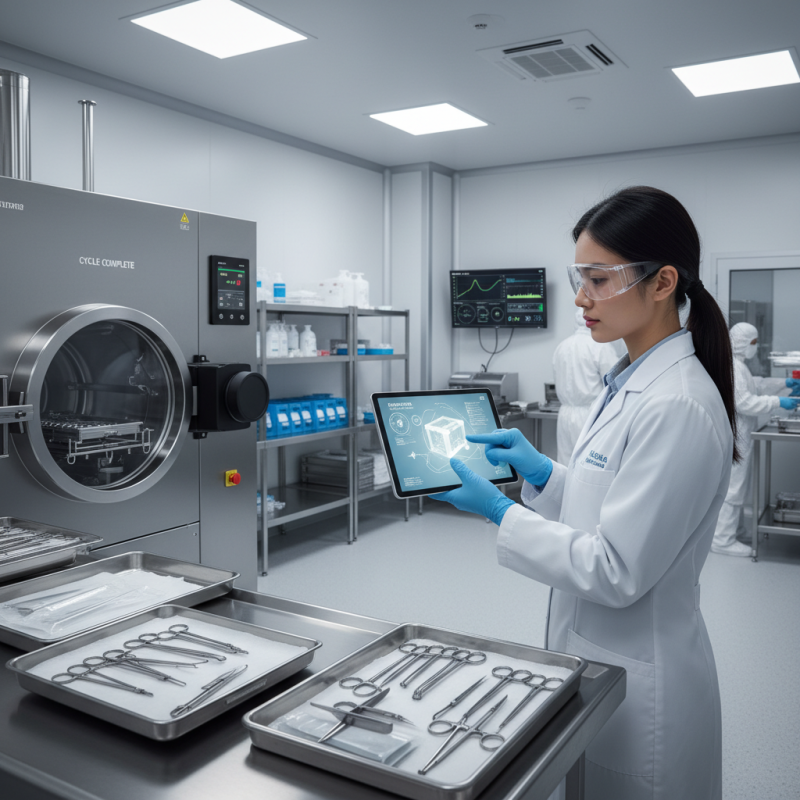
How to Prevent Sterilization Contamination Effectively?

Understanding Sterilization Contamination Risks in Various Settings

Sterilization contamination is a critical concern across various industries, especially in healthcare, food services, and laboratories. According to a report by the World Health Organization, improper sterilization techniques account for 40% of healthcare-associated infections. In tightly controlled environments, the risk can escalate dramatically. Even minor lapses in protocol can have severe ramifications.

Understanding the specific risks in different settings is essential. In healthcare, for instance, surgical instruments must be meticulously sterilized. A single contaminated tool can lead to infections, prolonging hospital stays and increasing treatment costs. A study published in the Journal of Hospital Infection noted that surgical site infections can add up to $20,000 to healthcare costs per patient. Food services face similar challenges; cross-contamination during food preparation can endanger consumer health. The FDA has reported that foodborne illnesses affect 48 million Americans annually.

Reflection is crucial. Many facilities assume that existing procedures are foolproof. However, even routine tasks can harbor hidden threats. Regular audits and staff training are vital in fostering a culture of safety. The ideal sterilization practice combines established guidelines with innovative training methods. Continuous improvement and adaptation are keys to mitigating contamination risks effectively.

Essential Principles of Sterilization Techniques and Practices

Sterilization is essential in preventing contamination in medical settings. Effective sterilization practices must be followed to ensure safety. Recent industry reports indicate that up to 30% of healthcare-associated infections arise from improper sterilization. Understanding key principles can significantly reduce these risks.

Start by ensuring that all instruments are properly cleaned before sterilization. Residual organic matter can hinder the effectiveness of sterilization methods. Use proper detergents and follow guidelines for cleaning. Remember to validate the sterilization process with biological indicators. This helps confirm that the process has successfully eliminated potential contaminants.

Tips for successful sterilization include regular training for staff on the latest techniques. Knowledge is crucial in maintaining high standards. Implement routine checks and audits to identify lapses in technique. Encourage team members to report any challenges faced during sterilization.

Human error remains a significant factor in sterilization failures. Addressing this through consistent education can improve outcomes. Additionally, consider the environmental impact of sterilization methods. Practices must not only be effective but also sustainable. By continually evaluating and refining these processes, facilities can protect patients and enhance care quality.

Effectiveness of Sterilization Techniques in Preventing Contamination

This chart illustrates the effectiveness of various sterilization techniques in preventing contamination. The percentages indicate the relative effectiveness of each method, with autoclaving being the most effective, followed by ethylene oxide and dry heat methods.

Implementing Effective Cleaning Protocols Before Sterilization

Effective cleaning protocols are essential before any sterilization process. Contaminants from surfaces and instruments can compromise the entire sterilization effort. Understanding the nature of these contaminants is crucial. Residual blood, tissue, or biofilms can harbor pathogens. A strong cleaning protocol must include thorough pre-cleaning steps before any sterilization is attempted.

Utilizing proper cleaning agents is vital. These should be effective against a broad range of contaminants. Staff must undergo training to ensure they understand the significance of these protocols. Neglecting proper practices can lead to regretful outcomes. Routine audits can help maintain standards and reveal areas needing improvement. Equipment should be regularly inspected for wear that may harbor debris.

Cleaning is not just a box to check; it's a commitment to patient safety. Facilities often overlook the need for personal accountability in maintaining cleanliness. Everyone on the team plays a role. Regular feedback sessions can help reinforce the importance of these practices and identify potential gaps in the cleaning process. Reflecting on these aspects can bring about a culture of continuous improvement in sterilization practices.

How to Prevent Sterilization Contamination Effectively? - Implementing Effective Cleaning Protocols Before Sterilization

Cleaning Protocol Frequency Effectiveness (%) Personnel Training Level
Basic Surface Cleaning Daily 85% Standard Training
Deep Cleaning Weekly 95% Advanced Training
Equipment Sterilization After Each Use 99% Specialized Training
Environmental Monitoring Monthly 90% Standard Training
Personal Hygiene Checks Daily 98% Mandatory Training

Monitoring and Maintenance of Sterilization Equipment

Effective monitoring and maintenance of sterilization equipment are crucial in preventing contamination. Research indicates that improper maintenance can lead to equipment failure, compromising sterilization processes. According to industry reports, over 30% of sterilization failures are attributed to equipment malfunctions. Regular checks on pressure gauges, temperature readings, and cycle times are essential to ensure compliance with established standards.

Routine maintenance schedules should be established, focusing on cleaning and servicing sterilizers. Documenting maintenance procedures helps maintain accountability. Regular training for staff on proper equipment use and maintenance techniques enhances operational efficiency. Many facilities report that investing in staff training can reduce contamination rates by up to 25%.

Data suggests that utilizing advanced monitoring systems can significantly enhance equipment reliability. These systems can provide real-time feedback on equipment performance. However, some facilities might overlook the importance of such systems due to budget constraints. Ignoring these aspects can expose the facility to contamination risks, which could have been prevented with proactive measures.

Training Staff on Best Practices to Prevent Contamination

To effectively prevent sterilization contamination, training staff on best practices is crucial. According to the Centers for Disease Control and Prevention (CDC), improper sterilization practices lead to 68% of healthcare-associated infections. This statistic highlights the need for comprehensive staff training in sterile techniques. Engage staff in regular workshops focused on sterilization protocols, emphasizing hand hygiene as a pivotal step.

Incorporating simulations can enhance understanding. Hands-on training allows staff to practice and refine their skills. A study published in the American Journal of Infection Control showed that 70% of participants improved their performance after practical training sessions. Regular assessments and refresher courses help maintain high standards of contamination prevention.

Additionally, encouraging a culture of accountability is vital. Staff should feel empowered to address issues when they arise. Recent research indicates that 57% of contamination instances occur due to overlooked details in sterilization processes. Promotion of open communication can lead to immediate corrective actions and bolster overall safety. Continuous education fosters an environment where staff are knowledgeable and vigilant against contamination risks.

FAQS

: Why is sterilization important in medical settings?

: Sterilization prevents contamination and protects patients from infections.

What percentage of healthcare-associated infections arise from improper sterilization?

Up to 30% of infections are due to improper sterilization practices.

How can instruments be properly prepared for sterilization?

Instruments must be cleaned thoroughly using proper detergents before sterilization.

What is a biological indicator in sterilization?

It validates that the sterilization process eliminated potential contaminants.

Why is staff training essential in preventing contamination?

Comprehensive training reduces the risk of healthcare-associated infections significantly.

What impact do simulations have on staff training?

Simulations enhance understanding and help refine sterilization skills effectively.

How often should staff receive assessments and refresher courses?

Regular assessments are necessary to maintain high standards of contamination prevention.

What role does accountability play in sterilization practices?

A culture of accountability empowers staff to address issues promptly, improving safety.

How does human error affect sterilization failures?

Human error significantly contributes to failures, highlighting the need for consistent education.

Why consider the environmental impact of sterilization methods?

Practices must be effective but also sustainable to protect both patients and the environment.

Conclusion

Effective prevention of sterilization contamination is crucial in various settings, including healthcare and laboratory environments. To address the question of "How to prevent contamination during sterilization?", it is essential to first understand the risks associated with contamination. Awareness of these risks allows for the implementation of essential sterilization techniques and practices that serve as the foundation for maintaining cleanliness and safety.

Proper cleaning protocols must be established and followed before any sterilization process to eliminate organic debris and microbial load. Additionally, continuous monitoring and maintenance of sterilization equipment are necessary to ensure optimal performance. Finally, training staff on best practices not only reinforces the importance of preventing contamination but also equips them with the knowledge needed to adhere to established protocols consistently. By integrating these components, organizations can effectively minimize risks and enhance the overall effectiveness of their sterilization processes.

Liam

Liam

Liam is a dedicated marketing professional with a profound expertise in the industry, where he excels at highlighting the unique advantages of our core products. With a keen understanding of market trends and consumer needs, Liam frequently updates our company’s professional blog, providing......