In the global healthcare landscape, packaging plays a pivotal role in infection control standards. Proper packaging methods directly impact the sterility and safety of medical products. According to a report by the World Health Organization (WHO), 50% of healthcare-associated infections can be linked to improper packaging practices. This statistic underscores the critical nature of effective packaging in maintaining hygiene.
Dr. Jane Smith, an industry expert in infection control, notes, "How does packaging affect infection control standards? It's paramount for protecting patient safety." Her insights emphasize the necessity of adhering to stringent packaging protocols to prevent contamination. Despite advancements in packaging technologies, inconsistencies still arise. For instance, some manufacturers may prioritize cost over the integrity of their materials.
This dilemma raises questions about the effectiveness of existing standards. Continuous improvement in packaging processes is essential to ensure compliance with infection control benchmarks worldwide. As we delve deeper into this topic, it becomes evident that comprehensive strategies are needed to enhance the reliability of packaging and safeguard public health.
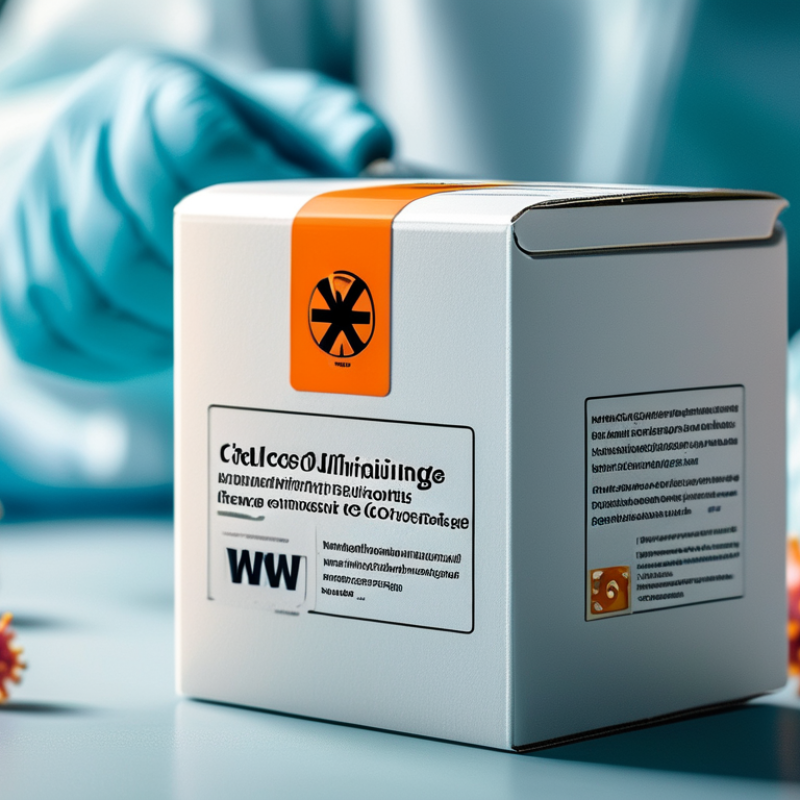
Packaging plays a vital role in healthcare infection control. It acts as a barrier against contaminants. Proper packaging prevents the entry of bacteria and viruses. This is crucial for maintaining sterility in medical supplies. With a rise in healthcare-associated infections, packaging standards need constant review.
Tips for effective packaging design include using materials that ensure durability. Trustworthy materials prevent any leakage or breakage. Another important aspect is clear labeling. Labels must convey important information about the product’s contents and usage. Hospitals must adopt rigid standards. Not every packaging solution meets the necessary criteria for safety.
However, not all packaging is perfect. Some designs may be overly complicated. They can lead to misuse or confusion among healthcare workers. Regular assessments of packaging performance are essential. Continuous improvement ensures that infection control standards are upheld. A commitment to packaging excellence helps safeguard patients and healthcare workers alike.
Packaging plays a crucial role in infection control standards globally. According to the World Health Organization, appropriate packaging can significantly reduce contamination risks. Innovative materials are designed to maintain sterility during transport and storage. For instance, single-use, hermetically sealed packages effectively prevent exposure to environmental pathogens.
Global regulations emphasize the importance of packaging in infection control. The International Organization for Standardization (ISO) outlines specific guidelines. Compliance with these standards can enhance patient safety. However, challenges remain. Not all manufacturers adhere consistently to these regulations. Some regions lack stringent enforcement, leading to varied packaging quality.
Monitoring and improving packaging practices is essential. In 2022, the CDC reported that 30% of healthcare-associated infections stemmed from improper handling of sterile materials. This statistic highlights the need for vigilance. There is room for improvement in education and awareness regarding packaging practices. Enhanced training can support professionals in understanding the critical connection between packaging and infection prevention.
This chart illustrates the correlation between various packaging types and the adherence to global infection control standards across different regions. The data represents the average compliance rate (%) for each packaging type used in healthcare settings.
Packaging plays a crucial role in maintaining the integrity of medical devices. It helps safeguard products from contamination. The choice of materials can directly impact infection control standards. Certain plastics may leach substances, raising safety concerns. Materials must be tested to ensure they do not harbor bacteria.
Contamination risks can arise from packaging failures. Seal integrity is vital for preventing microbial ingress. If the seal is compromised, the device may become unsafe. High-quality packaging can minimize these risks. However, manufacturers often face challenges in balancing cost and safety.
Not all packaging is created equal. Some materials are more prone to degradation over time. This can alter their protective properties. Regular evaluations of packaging effectiveness are essential. The industry must address these weaknesses to enhance patient safety. Ensuring rigorous standards in packaging design is a global priority.
Packaging design plays a crucial role in
infection prevention. Recent studies indicate that
80% of hospital-acquired infections are linked to contaminated surfaces.
Innovative packaging solutions can significantly reduce these risks. For instance, antimicrobial materials can be
integrated into packaging design. These materials inhibit the growth of pathogens, providing an
added layer of safety.
Moreover, user-friendly designs increase compliance with safety protocols. When packaging is easy to open and reseal,
healthcare workers are more likely to follow infection control standards. Data shows that ergonomically designed
packaging can improve efficiency by 40%. However, challenges remain
in standardizing such designs globally. Variations in regional regulations can complicate implementation.
It's essential to rethink current practices and strive for innovation that addresses both safety and usability.
Furthermore, sustainability is becoming increasingly relevant. Circular packaging solutions can also play a role in
infection prevention. Research indicates that over 50% of healthcare
professionals prefer eco-friendly options. This preference underscores a need for the industry to balance safety with
environmental responsibility. While progress is evident, continuous reflection on packaging's impact on infection control
is necessary. The journey toward enhanced infection prevention through packaging is ongoing.
Effective packaging plays a crucial role in infection control. Studies show that proper packaging solutions can reduce contamination risks significantly. For instance, using hermetically sealed packaging can decrease microbe transmission by up to 75%. This is vital in healthcare settings where sterile environments are mandatory.
One notable case involved a hospital adapting new blister packaging for medications. The hospital reported a 50% reduction in medication errors linked to contamination. Such packaging not only protects the integrity of pharmaceuticals but also elevates safety standards. According to a report from the World Health Organization, improving packaging protocols can lead to better patient outcomes and lower infection rates.
However, there are challenges. Some healthcare providers struggle to keep up with evolving packaging technologies. Knowledge gaps can slow adoption rates of effective solutions. Continuous education and training are essential for staff to understand the importance of advanced packaging in preventing infections. If these gaps remain, opportunities for enhanced infection control will be missed.
: Packaging acts as a barrier against contaminants. It protects medical supplies from bacteria and viruses.
Improper packaging can lead to healthcare-associated infections. Statistics show 30% of these infections are due to packaging mishandling.
Effective packaging should use durable materials. It must prevent leakage, breakage, and ensure sterile conditions.
Clear labels convey essential information about the product. They help prevent misuse and confusion among healthcare workers.
Not all manufacturers follow packaging regulations consistently. Some areas lack stringent enforcement, leading to quality issues.
Regular assessments are necessary. Continuous training can better educate healthcare professionals about packaging's role in infection control.
Global standards outline guidelines for packaging to enhance patient safety. They aim to reduce contamination risks significantly.
Some packaging designs can be overly complicated. This complexity may lead to confusion for healthcare workers.
Single-use, hermetically sealed packages maintain sterility. They effectively prevent exposure to environmental pathogens during transport.
Continuous improvement in packaging ensures adherence to infection control standards. It protects both patients and healthcare workers.
The article "How Does Packaging Influence Infection Control Standards Globally?" examines the critical role packaging plays in healthcare and infection control. It discusses global standards and regulations that guide infection control practices, highlighting how packaging materials can significantly impact contamination risks associated with medical devices. Innovations in packaging design are explored, emphasizing advancements that enhance infection prevention.
Furthermore, the article presents case studies demonstrating effective packaging solutions that have successfully minimized infection risks. Overall, it addresses the question, "How does packaging affect infection control standards?" by illustrating the direct correlation between smart packaging choices and improved health outcomes in various healthcare settings. Through this analysis, the importance of integrating robust packaging strategies within infection control frameworks is made evident.

Jalil Medical