Why Is Packaging Design Key to Infection Control in 2026?

Time:2026-09-28 Author:Madeline
0%

In 2026, infection control begins long before a medical device reaches a patient. Its packaging must help keep the contents protected during storage, transport, and handling. A torn seal, unclear opening point, or damp carton can create practical risks and delays. Small details matter. Why is packaging design important in infection control? Because packaging can support sterile presentation, reduce unnecessary handling, and make damage easier to notice before use.

Good design is specific to the product and the people who handle it. Clear labels, readable instructions, and packaging that opens without touching critical surfaces can make routine work more consistent. Materials and seals also need to suit expected shipping and storage conditions; attractive graphics alone cannot prove protection. That gap matters. Manufacturers should evaluate packaging as part of the product system, using appropriate testing and feedback from clinical and supply-chain teams. Requirements can vary by device and region, so design decisions need qualified review rather than guesswork.

There is no perfect package. A design that protects well may still frustrate users with limited dexterity or create avoidable waste. Those trade-offs deserve honest attention. In this article, we examine how material choices, sterile barriers, usability, labeling, and validation shape infection-control performance in 2026. The goal is practical: packaging that helps preserve product integrity and supports safer handling, without promising more than evidence can show.
Why Is Packaging Design Key to Infection Control in 2026?

What Infection Control Packaging Design Means in 2026

In 2026, infection-control packaging design keeps products protected, identifiable, and safely accessible from production through use. It connects the sterile barrier, materials, seals, labels, and opening method—not just the printed surface. Each part must work together. A seal can look intact yet fail if the film is punctured during transport. Design decisions should be checked through appropriate testing, distribution simulations, and routine quality controls.

At the point of care, usability matters. Staff may open packs while wearing gloves, working in limited space, and managing competing demands. Clear opening cues, readable dates, lot details, and unambiguous status indicators can reduce avoidable handling errors. Good packaging supports aseptic presentation without asking users to touch critical surfaces. Small details matter. A tab that tears unevenly can slow setup or bring contents into accidental contact with nearby surfaces. Context changes everything. Teams should observe real workflows, not rely only on clean bench tests.

Material choice also shapes infection control. Packaging needs to tolerate its intended sterilization process and protect contents during storage and shipping. Designers may reduce excess material, but thinner packaging is not automatically safer or more sustainable. Trade-offs need evidence, including seal strength, barrier performance, and usability after aging. There is no perfect pack. Even well-designed packaging can be misused, so clear instructions and staff training remain part of the system. That limitation deserves attention.

How Packaging Barriers Limit Contamination During Handling

A sterile package is a working barrier, not just a clean-looking wrapper. During transfer, storage, and setup, its layers help keep microorganisms and particles away from the device. A damp carton, punctured pouch, or seal caught under a tray can weaken that protection. Small tears matter. Staff should inspect seals and corners before opening, then keep the sterile inner surface from brushing gloves, carts, or countertops.

The World Health Organization’s Global Report on Infection Prevention and Control (2022) estimates that healthcare-associated infections affect 7 in 100 patients in acute-care hospitals in high-income countries and 15 in 100 in low- and middle-income countries. These figures describe infection burden, not infections caused by packaging. Still, they show why each contamination-control step deserves attention. Packaging works alongside hand hygiene, cleaning, and careful handling; it cannot replace them.

ISO 11607 sets requirements for validating packaging systems used for terminally sterilized medical devices, including their ability to maintain sterility until use. In practice, that means testing seals and material performance, not relying on appearance alone. The weak point? A package may leave storage intact and be damaged during hurried unpacking. Teams can reduce that risk by using clean, dry work surfaces and opening packs without reaching across exposed contents. Routine handling is messy, and procedures do not always capture every real-world bump.

Which Design Features Support Sterility and Safe Opening

Packaging design supports infection control by protecting a sterile device through shipping, storage, and handling. The package needs a validated sterile barrier, compatible materials, and seals that remain intact during distribution. Clear instructions help staff check the seal, expiry date, and package condition before use. A printed symbol cannot replace inspection.

Opening features matter at the point of care. A broad peel tab is easier to grip with gloved fingers than a narrow, slippery corner. A chevron-shaped seal can guide a controlled peel and help reduce sudden tearing.

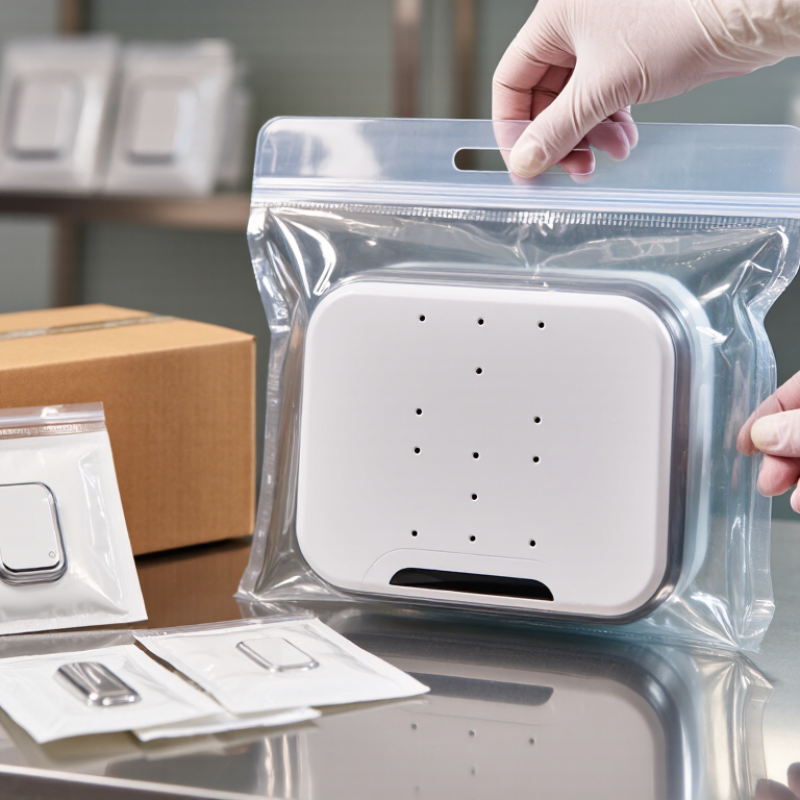
Transparent panels let staff locate the device without unnecessary handling. Small details matter. The opening path should keep hands away from the sterile contents and allow the device to be presented onto a clean field.

These features should be evaluated with realistic usability testing, including wet or thick gloves, low light, and hurried workflows. Even a well-designed pouch can confuse someone when its tabs look identical; testing may not catch every awkward moment.

Packaging also needs testing after sterilization and simulated transport, because a convenient opening means little if the seal has weakened. Safe opening is a design outcome, not just a staff responsibility.

How Materials and Traceability Shape Packaging Choices

Infection control begins before a device reaches the treatment room. Packaging must preserve its barrier through sealing, storage, and handling, then open without contaminating the contents. A film, paper, or multilayer pouch must suit the device, sterilization method, and expected transport conditions. A strong-looking pack is not proof of a reliable barrier.

Teams assess more than puncture resistance. Seal strength, moisture exposure, and clean opening behavior also matter. A tiny channel at a seal can undermine confidence, even when the outer carton looks untouched. Material changes may affect sealing settings or sterilization performance, so evaluations should use documented tests and realistic conditions. Small details count.

Traceability links a package to its material lot, production run, inspection records, and distribution history. If a complaint appears, these links can help teams identify affected units and investigate where a failure may have occurred. Clear lot codes help, but only when records stay readable and consistent across systems. Traceability is not magic; complete records can still be hard to interpret. That deserves attention.

Packaging decisions work best when material performance and recordkeeping are reviewed together, rather than treated as separate tasks.

How Packaging Is Tested and Managed Across the Product Lifecycle

Packaging design supports infection control by protecting a product’s intended condition until use. It cannot replace hand hygiene or validated processing. But a weak seal, puncture, or confusing opening can compromise the barrier. Testing starts with materials, dimensions, and sealing settings. Teams assess seal integrity and strength, then check whether users can open the pack without touching critical contents. Small details matter. A curled corner may catch a glove. A label hidden by a fold may be missed.

Testing and management continue after design approval. Simulated transport can reveal damage from vibration or drops; aging studies help assess whether seals remain reliable over time. Production teams should monitor sealing conditions and review inspection records, not rely only on initial test results. Changes to materials, equipment, or suppliers may require renewed evaluation. Feedback from users and returned products can expose issues laboratory tests missed. No test catches everything. That is worth remembering.

Tips: Keep test records tied to each package version. Inspect real samples from routine production, and document why changes were made. Ask a user to open the pack while wearing gloves. Watch closely; the awkward moment is often the useful one.

FAQS

What does infection-control packaging need to do?

It should protect the product, preserve its sterile barrier, and make contents easy to identify and access. Every part matters.

Why can a package that looks intact still be unsafe?

A tiny puncture or weak seal may escape a quick visual check. Appearance alone cannot confirm barrier performance.

What should staff inspect before opening a pack?

Check seals, corners, and the pouch for moisture or damage. A damp carton deserves attention.

How can packaging reduce handling errors at the point of care?

Clear opening cues, readable dates, and visible lot details help staff work in gloves. Keep critical surfaces untouched.

How should users open a sterile package?

Use a clean, dry surface and avoid reaching across exposed contents. A torn tab can bring contents into contact with nearby surfaces.

What can packaging tests reveal?

Seal testing checks integrity and strength. Transport simulations may expose damage from vibration or drops.

Why should packaging be evaluated again after approval?

Materials, equipment, and suppliers can change. Aging studies and production checks help catch problems later.

Does thinner packaging automatically mean a safer or greener design?

No. Reduced material still needs evidence for barrier strength, seal performance, and usability after aging. Trade-offs can be awkward.

Can packaging prevent every contamination risk?

No. It works alongside hand hygiene, cleaning, and careful handling. No test catches everything.

Conclusion

Why is packaging design important in infection control? In 2026, packaging helps protect medical products from contamination throughout handling, storage, and transport. Well-designed barrier layers reduce exposure to moisture, particles, and contact, while clear seals and sturdy construction help maintain package integrity until use. Opening features also matter: intuitive, controlled opening can support aseptic presentation and reduce the chance that sterile contents touch nonsterile surfaces.

Packaging choices depend on suitable materials, product needs, and reliable traceability. Clear identification and lot information help teams track products and respond efficiently when concerns arise. Design should be evaluated through appropriate testing, including checks of barrier performance, seal strength, usability, and durability under expected conditions. Ongoing monitoring across the product lifecycle helps identify changes in materials, manufacturing, or handling that could affect protection. Together, thoughtful design, testing, and management make packaging an active part of infection prevention rather than simply a container.

Madeline

Madeline

Madeline is a dedicated marketing professional with a wealth of expertise in our company's core offerings. With a keen understanding of the industry, she brings a unique perspective to her role, consistently delivering high-quality content that highlights the superior aspects of our products. As......