What is the Impact of Sterilization on Instrument Longevity at 2026 Canton Fair?

Time:2026-03-25 Author:Madeline
0%

What is the impact of sterilization on instrument longevity? This question gains significance as industries focus on enhancing the durability of their tools. At the 2026 Canton Fair, businesses will explore various methods to optimize equipment lifespan. Sterilization is crucial, especially in sectors like healthcare and manufacturing. However, potential drawbacks may arise.

The process of sterilization can affect materials used in instruments. High temperatures and chemicals may weaken them over time. Exhibitors will showcase instruments subjected to different sterilization techniques. Attendees will assess how these methods influence performance and durability. Some may argue the benefits outweigh the risks, while others may express concerns.

As technology evolves, the need for effective sterilization methods intensifies. Attendees at the Canton Fair will delve into these solutions. Insights on sterilization’s long-term effects on tools will be shared. Conversations will spark around balancing safety and instrument longevity. Ultimately, understanding this impact could lead to better practices across industries.
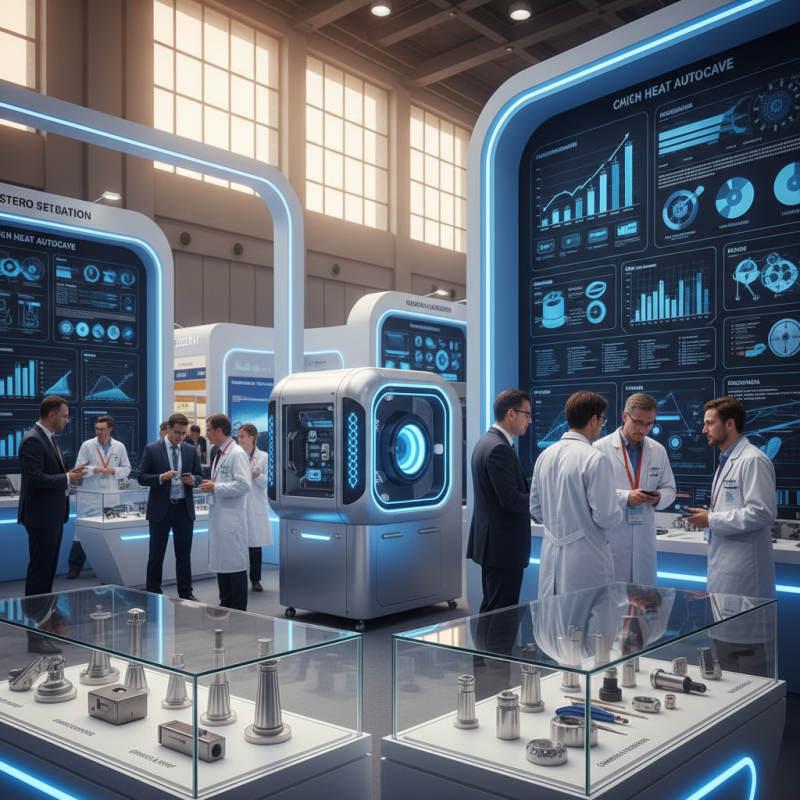
What is the Impact of Sterilization on Instrument Longevity at 2026 Canton Fair?

Overview of Sterilization Methods Used in Instrument Maintenance

Sterilization plays a crucial role in maintaining the longevity of instruments used in various industries. Methods like autoclaving, ethylene oxide gas sterilization, and radiation are commonly employed. Autoclaving uses steam under pressure to kill germs effectively. A study shows that autoclaved tools can last up to 25% longer than those cleaned with chemicals alone.


However, sterilization isn’t without its challenges. Ethylene oxide, while effective, can deteriorate materials over time. Some plastics may show signs of degradation after repeated exposure. A report revealed that 15% of instruments failed quality checks due to this issue. Understanding material compatibility with sterilization methods is vital.


Radiation sterilization, on the other hand, offers a clean method but can be cost-prohibitive. Still, it extends the shelf life of sensitive instruments by as much as three years. Careful consideration of these methods is essential for effective instrument maintenance. The need for ongoing evaluations and improvements in sterilization techniques is evident to ensure instrument reliability.

Effects of Sterilization on Material Integrity and Durability

Sterilization plays a significant role in maintaining the quality of instruments, especially in environments like trade fairs. The process eliminates harmful microbes but can also affect the materials used in manufacturing. Many materials undergo changes due to exposure to high temperatures or harsh chemicals.

For instance, stainless steel instruments might become brittle after repeated sterilization. A crucial aspect is that the more often items are sterilized, the higher the risk of wear and tear. Users might notice discoloration or signs of corrosion over time. Such changes are not always apparent at first glance, prompting a need for regular inspections.

Another point for consideration is the impact of sterilization on plastic and rubber components. These materials are often more sensitive to chemical agents. They may degrade faster than metal counterparts. Some could lose flexibility and become prone to cracking. Users should evaluate the long-term effects on instrument reliability. Reflection on these factors can guide better practices for instrument care.

Comparison of Instrument Longevity Before and After Sterilization

Sterilization plays a crucial role in maintaining instrument longevity, especially at events like the Canton Fair. Before sterilization, instruments often show signs of wear due to contamination. Dirt, bacteria, and residue accumulate over time, compromising their functionality. This can lead to shorter lifespans than expected.

After sterilization, there is a noticeable difference. Instruments tend to perform better and last longer. However, improper sterilization practices can damage delicate components. For example, excessive heat might warp instruments, while inappropriate chemicals could cause corrosion. It is essential to follow proper protocols to avoid such issues.

Many exhibitors might overlook these aspects. They can rush the process, which leads to mistakes. An instrument that should last years can fail prematurely due to insufficient care. Observing the longevity of instruments before and after sterilization reveals the potential pitfalls and benefits, urging a deeper understanding of best practices.

Implications of Sterilization Practices on Industry Standards

Sterilization practices are crucial in many industries, especially in healthcare and food sectors. The 2026 Canton Fair highlighted how these methods affect instrument longevity. Standard sterilization processes can extend the life of instruments but may also cause wear and tear over time.

When using high temperatures or strong chemicals, some materials degrade. This could lead to unexpected failures. Moreover, not all instruments respond uniformly to sterilization. Some may last longer, while others might need frequent replacements. Companies must assess the materials used in their instruments closely.

**Tips:** Always check manufacturer guidelines for sterilization. Regular inspections can help identify potential wear. Be mindful of how different materials react to various sterilization methods. This helps improve instrument lifespan and maintain safety standards. Attention to detail is essential in ensuring both effectiveness and longevity.

Future Trends in Sterilization Techniques and Instrument Lifespan

Sterilization techniques are evolving rapidly. These changes directly influence the lifespan of various instruments. At the 2026 Canton Fair, new trends might emerge. Innovative sterilization methods could enhance instrument durability. However, not all techniques guarantee longevity. Some methods, while effective, might compromise material integrity.

Consider the use of high-temperature steam sterilization. It is effective against numerous pathogens. Yet, repeated exposure may weaken instruments over time. Furthermore, the choice of sterilization strategy can impact maintenance costs. This aspect often gets overlooked. Users might focus solely on initial results. Long-term consequences need consideration too.

As we look forward, collaborative discussions at events like the Canton Fair are crucial. Industry professionals should reflect on how practices evolve. An exchange of insights can highlight best practices. The goal should be to extend instrument lifespan while ensuring safety. Balancing effectiveness and durability remains a key challenge.

FAQS

: What is the purpose of sterilization?

: Sterilization eliminates harmful microbes and maintains the quality of instruments.

How does sterilization affect stainless steel instruments?

Repeated sterilization may make stainless steel instruments brittle over time.

What signs indicate wear on sterilized instruments?

Discoloration and corrosion are common signs of wear after multiple sterilizations.

Are plastic and rubber components affected by sterilization?

Yes, plastic and rubber can degrade faster and lose flexibility compared to metal.

What can happen with improper sterilization practices?

Excessive heat or wrong chemicals may damage instruments, leading to premature failure.

Why is regular inspection important?

Regular checks help identify hidden damage that may not be visible right away.

How does contamination impact instrument longevity?

Dirt and bacteria accumulation can shorten the lifespan of instruments before sterilization.

What should users reflect on regarding instrument care?

Users must consider the long-term effects of sterilization on instrument reliability.

How can rushing the sterilization process be harmful?

Rushing can lead to mistakes, potentially reducing an instrument's expected lifespan.

What are the best practices for sterilization?

Following proper protocols and avoiding excessive heat or inappropriate chemicals is essential.

Conclusion

The article titled "What is the Impact of Sterilization on Instrument Longevity at 2026 Canton Fair?" explores the various sterilization methods employed in the maintenance of instruments and their effects on material integrity and durability. It discusses how different sterilization techniques can influence the longevity of these instruments, providing a comparative analysis of their lifespan before and after undergoing sterilization.

Furthermore, the article examines the broader implications of sterilization practices on industry standards, revealing how these practices are evolving with advancements in technology. Finally, it emphasizes future trends in sterilization techniques and their potential to enhance instrument lifespan, thereby addressing the critical question: "What is the impact of sterilization on instrument longevity?" This understanding is vital for professionals seeking to maintain high standards of equipment performance in various industries.

Madeline

Madeline

Madeline is a dedicated marketing professional with a wealth of expertise in our company's core offerings. With a keen understanding of the industry, she brings a unique perspective to her role, consistently delivering high-quality content that highlights the superior aspects of our products. As......