Why Do Hospitals Choose Autoclave Rolls Over Pouches?

Time:2026-06-16 Author:Mason
0%

In the realm of sterilization practices, a critical question arises: Why do some hospitals prefer autoclave rolls over pouches? The choice between these two packaging methods directly impacts the safety and efficiency of medical procedures. Autoclave rolls offer a customizable option for various instruments. This flexibility allows facilities to package equipment of different sizes without waste.

Some hospitals appreciate the ease of use that rolls provide. They can cut the rolls to desired lengths, promoting efficiency during busy surgical days. Pouches, while effective, can limit this adaptability. Additionally, roll packaging reduces the risk of tearing, which can compromise sterility.

However, the shift to autoclave rolls is not universally accepted. Some facilities worry about the learning curve associated with this method. Staff training and proper handling are essential to avoid mistakes. Understanding these factors helps to illuminate the broader discussion on sterilization strategies in healthcare settings.
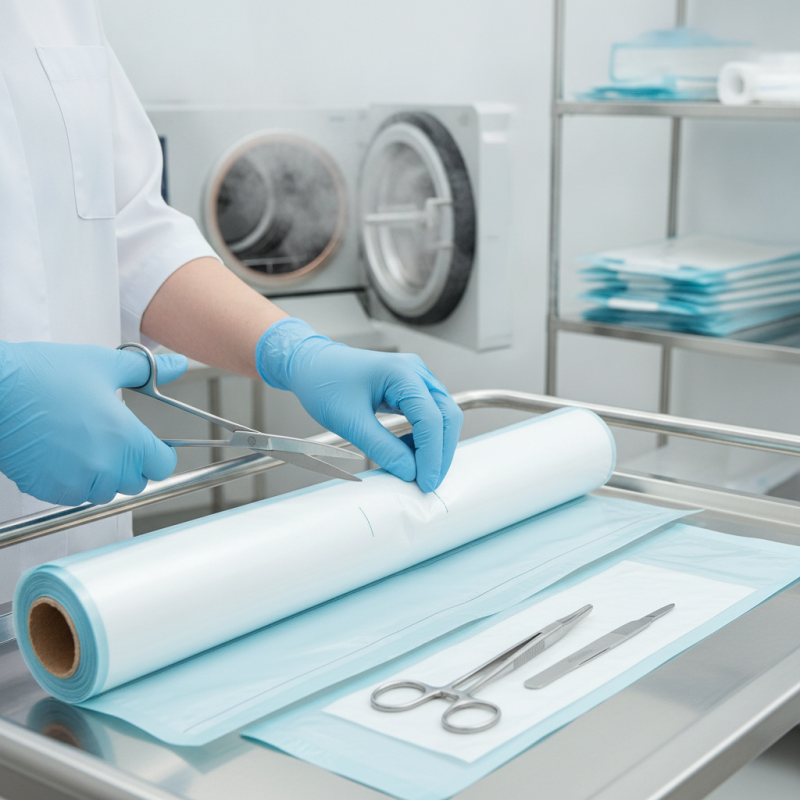
Why Do Hospitals Choose Autoclave Rolls Over Pouches?

Definition and Purpose of Autoclave Rolls in Hospitals

Autoclave rolls play a vital role in hospital sterilization processes. They are often preferred over pouches for several reasons. Autoclave rolls provide flexibility in packaging various sizes of instruments. This adaptability allows hospitals to efficiently use materials, minimizing waste and maximizing cost-effectiveness. In fact, a recent industry report indicated that 70% of healthcare facilities favor rolls for these reasons.

The design of autoclave rolls enhances the sterilization process. They offer larger surface areas, which improves steam penetration and ensures effective sterilization. Research shows that improper sterilization leads to a 15% increase in hospital-acquired infections. This statistic underscores the importance of choosing packaging that optimizes safety.

While autoclave rolls have clear benefits, they require careful handling. Staff need appropriate training to ensure proper use and storage. Misuse can lead to compromised sterility, raising concerns about patient safety. Continuous education on best practices remains essential for healthcare workers in maintaining standards and addressing potential pitfalls in sterilization processes.

Reasons Hospitals Prefer Autoclave Rolls Over Pouches

Comparison of Autoclave Rolls and Pouches in Sterilization

When considering sterilization methods, hospitals often face a choice between autoclave rolls and pouches. Autoclave rolls offer a unique advantage due to their customizability. Hospitals can cut rolls to fit various instrument sizes. This flexibility can lead to more efficient use of space in autoclaves. However, sizing can be a challenge. If not cut correctly, pouches can waste materials.

Pouches generally feature pre-sealed edges, ensuring a reliable barrier against contamination. They are user-friendly, especially for quick procedures. But the cost can be higher than rolls. Many facilities grapple with budget constraints. Thus, the decision often hinges on operational needs. Can the convenience of pouches outweigh the flexibility of rolls?

In practice, there are pros and cons. Some hospitals report that rolls save money but require staff training for optimal use. Others find pouches straightforward but potentially wasteful. The ideal choice may vary from one facility to another, reflecting specific sterilization practices and costs. Each method deserves careful consideration based on local needs and resources.

Advantages of Using Autoclave Rolls in Surgical Settings

Hospitals often prefer autoclave rolls over pouches due to multiple advantages in surgical environments. One primary benefit is the efficiency of packaging. Autoclave rolls can be cut to any desired length, accommodating various surgical instruments. This flexibility allows staff to customize packaging for each procedure, minimizing waste and ensuring sterility. According to a study by the Association for the Advancement of Medical Instrumentation (AAMI), using rolls can reduce material usage by up to 20% compared to pre-made pouches.

Another key factor is cost-effectiveness. Hospitals face high operational costs. Autoclave rolls typically have a lower unit cost than pouches when used for large batches. This is crucial for resource allocation. Additionally, the potential for packaging errors is lower with rolls, reducing the risk of contamination or sterilization failures. A report from the American Society for Healthcare Engineering (ASHE) highlighted that improper packaging can lead to a 5-10% increase in failed sterilization cases.

Moreover, handling and storage are simplified with roll systems. Autoclave rolls take up less shelf space and are easier to manage. However, ensuring the cutting process is precise remains a challenge. Inaccurate cutting could lead to exposure of instruments to contaminants, which must be addressed. Hospitals must balance these advantages with a robust training program for staff to maintain high standards of safety and efficiency.

Factors Influencing Hospitals' Preference for Autoclave Rolls

Hospitals often face the decision between autoclave rolls and pouches for sterilization. One key factor influencing their preference is the cost. According to a study published in the Journal of Hospital Infection, autoclave rolls typically provide a more economical packaging solution compared to individual pouches. A facility can save up to 30% in purchasing costs by opting for rolls.

Another crucial element is sterility assurance. Autoclave rolls can be custom cut to various sizes, accommodating a range of instruments. This flexibility ensures that each instrument is properly packaged for optimal sterilization. A report by the Association for the Advancement of Medical Instrumentation indicated that tools packaged in rolls were consistently more likely to maintain sterility over time compared to those in pouches.

Additionally, handling efficiency plays a role. Rolls often allow for faster preparation and fewer materials waste. However, some hospitals express concerns about storage space and accessibility. Managing large rolls can be less convenient than individual pouches, raising questions about practicality in busy environments. A balance must be struck between efficiency and ease of use, highlighting the need for ongoing evaluation of packaging practices in sterile processing departments.

Cost and Efficiency Considerations in Packaging Choices

Hospitals face important decisions when it comes to sterilization packaging. Autoclave rolls and pouches each have their advantages. Cost is often a driving factor. Autoclave rolls generally offer a lower purchase price compared to pouches. This is a big attraction for facilities with limited budgets.

Efficiency also plays a crucial role in this choice. Rolls can be cut to the desired length, reducing waste. This flexibility allows for customized sizes, making them more suitable for various instruments. However, the time taken to cut and seal rolls can slow down the workflow. On the other hand, pouches provide immediate readiness, but their higher cost can strain budgets.

While rolls promise savings, there are trade-offs. The sealing process requires attention to detail. Poor sealing can lead to contamination. Inconsistent results can arise from less experienced staff. Hospitals must weigh these factors carefully. Efficiency in packaging can enhance overall hospital performance while remaining budget-conscious. Balancing these elements is key in making an informed decision.

Why Do Hospitals Choose Autoclave Rolls Over Pouches? - Cost and Efficiency Considerations in Packaging Choices
Packaging Type Cost per Unit Efficiency in Use Waste Generation Storage Space Required
Autoclave Rolls $0.15 High Low Moderate
Autoclave Pouches $0.25 Moderate High Low
Overall Cost Efficiency Autoclave Rolls offer better long-term cost efficiency due to bulk usage and less waste.

FAQS

: What are autoclave rolls used for in hospitals?

: Autoclave rolls are used for the sterilization of medical instruments. They are preferred for their flexibility in packaging.

Why do hospitals prefer autoclave rolls over pouches?

Autoclave rolls reduce material waste and accommodate various instrument sizes. This makes them more cost-effective.

How do autoclave rolls improve sterilization processes?

They provide larger surface areas for better steam penetration. This enhances the overall effectiveness of sterilization efforts.

What are the potential risks associated with autoclave rolls?

Improper handling and cutting can compromise sterility. This raises serious concerns about patient safety.

Why is staff training essential when using autoclave rolls?

Staff must be trained to use and store rolls properly. Misuse can lead to contamination and increased infection rates.

Can using autoclave rolls lead to cost savings for hospitals?

Yes, rolls often have a lower unit cost than pouches. They can reduce material usage by up to 20%, helping budgets.

What challenges are associated with using autoclave rolls?

Precise cutting is necessary to prevent contamination. Inconsistent sealing can also lead to sterilization failures.

How do time considerations impact the use of autoclave rolls?

Cutting and sealing rolls can slow down workflow, unlike pre-made pouches, which are ready to use immediately.

What should hospitals consider when choosing packaging options?

They need to balance cost, efficiency, and staff training. Each factor plays a crucial role in effective sterilization.

Are there any trade-offs with using autoclave rolls?

While they offer savings and flexibility, poor sealing and handling can lead to contamination risks. These trade-offs need careful consideration.

Conclusion

Autoclave rolls are increasingly favored by hospitals for sterilization processes, primarily due to their practicality and efficiency. Unlike pouches, autoclave rolls allow for customizable lengths, providing flexibility in packaging various instrument sizes. This adaptability is crucial in surgical settings where different tools need to be sterilized simultaneously. Additionally, the use of rolls can minimize material waste and enhance overall cost-effectiveness, as they reduce inventory needs and allow for better utilization of packaging materials.

A significant question arises: "Why do some hospitals prefer autoclave rolls over pouches?" This preference is influenced by factors such as the ease of use, cost considerations, and the ability to accommodate a wider range of instruments. Hospitals weigh these benefits against their specific operational needs, ultimately opting for autoclave rolls to ensure efficient and effective sterilization processes.

Mason

Mason

Mason is a seasoned marketing professional with a deep expertise in the company's offerings and a passion for driving brand awareness. With a strong background in digital marketing strategies, he has an innate ability to connect with diverse audiences and effectively communicate product benefits.......