In the medical industry, safety during sterilization is paramount. Heat-sensitive tape plays a crucial role in enhancing this safety. Dr. Emily Carter, a sterilization expert, states, "Heat-sensitive tape offers a clear visual cue that confirms the sterilization process." This simple tool provides assurance that the items inside sterilization pouches have been properly treated.
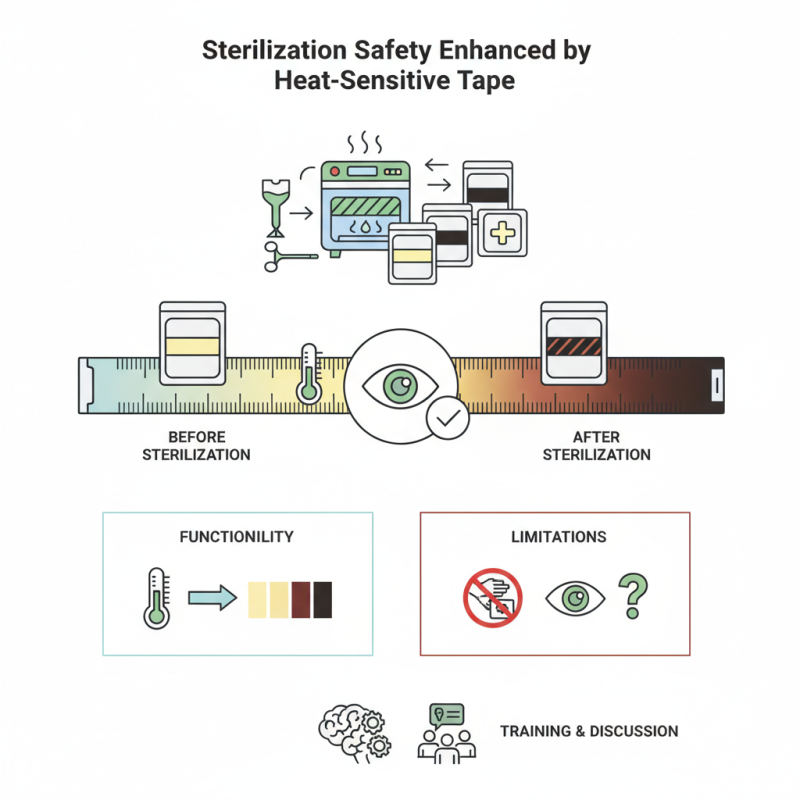
When discussing "How does heat-sensitive tape improve sterilization safety?", it is essential to recognize its functionality. The tape changes color when exposed to specific temperatures, indicating that the items are ready for use. Medical personnel rely on this visual feedback to ensure compliance with safety protocols. However, it’s important to note that improper application or storage can lead to misinterpretation.
Despite its advantages, heat-sensitive tape is not infallible. If misused, it may provide a false sense of security. Regular training on the proper use of this tool is vital. Understanding its limitations can prevent potential mishaps in a clinical setting. Therefore, the question of "How does heat-sensitive tape improve sterilization safety?" merits ongoing exploration and discussion among healthcare providers.
Understanding Heat Sensitive Tape in Sterilization Processes
Heat sensitive tape is a crucial tool in sterilization processes.
Its primary role is to indicate when a specific temperature has been reached.
This feature is vital for ensuring that the sterilization cycle is effective.
The tape changes color in response to heat, providing a visual confirmation that the items have been properly sterilized.
This instant feedback helps prevent the use of improperly sterilized instruments.
The application of heat sensitive tape goes beyond mere confirmation.
It acts as a safety measure for both staff and patients. When preparing for medical procedures,
ensuring that all tools are sterilized protects everyone involved.
However, there are limitations. The tape relies on accurate temperature settings.
If the conditions are not met, it can lead to false positives.
Regular training and validation of sterilization protocols are essential in this regard.
While the tape offers a tangible safety feature, it should not replace comprehensive sterilization practices.
Using heat sensitive tape also raises questions about the adequacy of other indicators.
Visual checks can sometimes be overlooked.
Regular review of processes and outcomes ensures that the tools remain effective.
The integration of heat sensitive tape should be part of a broader quality control system.
Only then can it serve its purpose fully in enhancing sterilization safety.
The Mechanism of Heat Sensitive Tape in Temperature Monitoring
Heat sensitive tape plays a crucial role in sterilization safety through its unique temperature monitoring capabilities. This type of tape changes color in response to specific heat levels. In clinical settings, professionals apply it to sterilization pouches or containers. Once the temperature reaches the desired level, the tape indicates this effectively. This feature helps ensure that the sterilization process is completed properly.
The mechanism behind this tape is simple yet powerful. When exposed to heat, specific chemicals within the tape react. This reaction causes a visible change, signaling that the required temperature has been achieved. However, this process can sometimes be imperfect. Factors like inconsistent heating or improper application can lead to misleading results. Users must remain cautious and check for accuracy.
Incorporating heat sensitive tape is not just a safety measure; it also enhances overall procedural efficiency. It serves as a reliable indicator of sterilization outcomes. However, it is important to note that relying solely on this tape could yield false confidence. Regular monitoring and validation of sterilization processes remain essential for ensuring safety in medical practices. Balancing the use of technology with human oversight will lead to better outcomes.
How Does Heat Sensitive Tape Enhance Sterilization Safety?
This chart illustrates the temperature monitoring capabilities of heat sensitive tape during sterilization processes, demonstrating its effectiveness at various temperature thresholds.
Benefits of Using Heat Sensitive Tape for Sterilization Safety
Heat sensitive tape plays a crucial role in enhancing sterilization safety. Its unique properties allow it to change color when exposed to specific temperatures. This feature acts as a visual indicator, confirming whether the sterilization process was effective. Hospitals and laboratories rely on this tape to ensure that equipment is sterile.
Using heat sensitive tape offers several benefits. It serves as a clear marker of successful sterilization. This reduces the risk of using contaminated tools. Moreover, it adds an extra layer of confidence for healthcare professionals and patients alike. Heat sensitive tape is easy to use and can be applied to various surfaces, ensuring a secure seal during the sterilization process.
Tip: Always check the tape after sterilization. If it hasn’t changed color, the process may not have been successful.
Be aware of the limitations. The tape only confirms exposure to heat, not the elimination of all pathogens. It's essential to follow standard sterilization protocols for maximum effectiveness.
Tip: Document the results each time to maintain records of sterilization effectiveness. This practice will help identify any recurring issues.
Comparative Analysis of Heat Sensitive Tape and Traditional Indicators
In the realm of sterilization, the choice between heat-sensitive tape and traditional indicators can impact safety. Heat-sensitive tape reacts to temperature changes, providing a clear visual cue during the sterilization process. This visual feedback is immediate and evident, ensuring that protocols are followed accurately. It significantly reduces the risk of a failed sterilization cycle, which can occur with traditional indicators that might not show results until post-process.
Traditional indicators, often chemical-based, require careful interpretation. They may not always reflect the effectiveness of the sterilization cycle, leading to potential errors. Some professionals still rely on these methods out of habit. However, this reliance can create a false sense of security. The immediate results provided by heat-sensitive tape allow healthcare providers to make quick decisions. This fosters a safer environment for both patients and medical staff.
Despite the advantages of heat-sensitive tape, it's essential to recognize limitations. Factors like humidity and pressure can affect its performance. Some users may not follow best practices, diminishing its effectiveness. Continuous education about the proper use of heat-sensitive tape can enhance reliability. Ultimately, choosing the right sterilization method contributes significantly to patient safety and operational effectiveness.
How Does Heat Sensitive Tape Enhance Sterilization Safety? - Comparative Analysis of Heat Sensitive Tape and Traditional Indicators
| Indicator Type |
Sensitivity |
Response Time |
Usability |
Accuracy |
Cost |
| Heat Sensitive Tape |
High |
Immediate |
Easy |
Very Accurate |
Moderate |
| Traditional Indicators |
Medium |
Slower |
Moderate |
Less Accurate |
Lower |
Best Practices for Implementing Heat Sensitive Tape in Sterilization
Heat-sensitive tape plays a crucial role in enhancing sterilization safety. When properly implemented, it offers a reliable method to verify that sterilization processes have reached the necessary temperatures. This tape changes color when exposed to certain heat levels, providing immediate visual feedback. It helps prevent the use of potentially contaminated instruments, which is vital in medical and laboratory settings.
Implementing heat-sensitive tape involves careful positioning on sterilization pouches or containers. Ensure the tape is securely applied and not obstructed. Regularly check the manufacturer's guidelines for proper use. Users should continually assess their sterilization processes for anomalies. Occasionally, tape may not display changes due to inadequate sterilization cycles. This serves as a reminder to revisit procedures and parameters.
Training staff is essential to maximize the benefits of heat-sensitive tape. They must understand how to read the results accurately. Encourage ongoing discussions about tape effectiveness and experience sharing among team members. Continuous evaluation helps identify areas for improvement in sterilization practices. Consideration of these details will enhance overall safety and reliability in sterilization protocols.
FAQS
: It indicates when a specific temperature has been reached during sterilization, ensuring effectiveness.
The tape changes color in response to heat, confirming that items are properly sterilized.
Yes, incorrect temperature settings can lead to false positives; accuracy is crucial for effectiveness.
Training ensures staff can read results correctly and understand proper sterilization protocols.
Yes, over-reliance on the tape can overshadow the need for comprehensive sterilization practices.
It must be securely positioned on sterilization pouches or containers without obstruction.
This may indicate inadequate sterilization; users should revisit their procedures immediately.
Ongoing reviews help identify areas for improvement and ensure safety in practices.
It serves as a reliable indicator of sterilization outcomes, improving overall safety.
A balance between technology and human oversight is essential for better outcomes.
Conclusion
Heat-sensitive tape plays a crucial role in enhancing sterilization safety by providing real-time temperature monitoring during the sterilization process. By changing color in response to specific temperature thresholds, heat-sensitive tape ensures that the sterilization parameters are met, thereby reducing the risk of infection and contamination. This mechanism allows for immediate visual confirmation of adequate sterilization, making it a valuable tool in various settings.
Comparatively, heat-sensitive tape offers several advantages over traditional indicators. It is easy to apply, requires no special equipment, and provides instant feedback, which can significantly streamline the sterilization workflow. Best practices for implementing heat-sensitive tape involve proper placement on items being sterilized and regular training for personnel on its use. In summary, understanding how does heat-sensitive tape improve sterilization safety is essential for ensuring reliable and effective sterilization processes.

 Jalil Medical