Why is Effective Packaging Design Crucial for Infection Control?

Time:2026-05-28 Author:Amelia
0%

Effective packaging design plays a crucial role in infection control. It protects products from contamination and preserves their integrity. In healthcare, the stakes are high. Proper packaging choices can influence patient safety significantly.

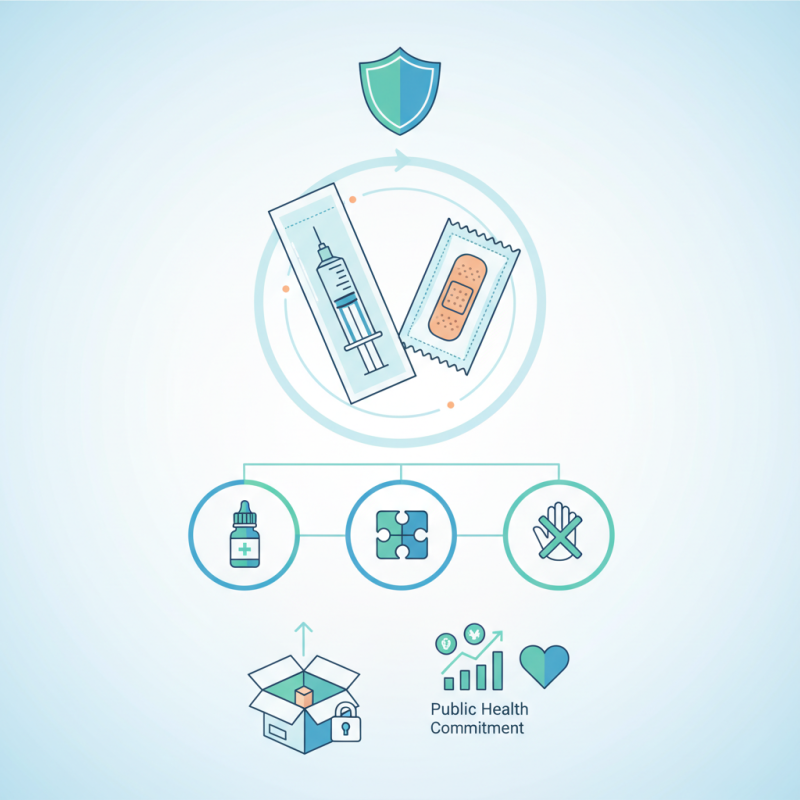
Why is packaging design important in infection control? Well-executed packaging minimizes the risk of infections. It ensures that medical supplies, such as syringes and dressings, remain sterile until use. Poorly designed packaging can lead to breaches, resulting in dangerous exposure to pathogens.

Focusing on materials and closure systems can enhance safety. However, even with the best intentions, mistakes can occur. Manufacturers must continuously evaluate and improve their packaging strategies. Addressing these challenges is essential for effective infection control. Investing in better designs reflects a commitment to public health.
Why is Effective Packaging Design Crucial for Infection Control?

The Importance of Packaging in Infection Prevention

Effective packaging plays a critical role in infection prevention. It safeguards products from contamination and maintains their sterility. With the rise of healthcare-associated infections, the importance of proper packaging has never been greater.

Proper packaging can minimize exposure to harmful pathogens. For medical supplies, it must be airtight and tamper-proof. The design should facilitate easy access while preventing any compromise to the sterile environment. Consider materials that are resistant to environmental factors and punctures. Unsealed or poorly designed packages can lead to potential health risks, highlighting the need for a rigorous packaging strategy.

**Tips:** Use clear labeling to identify contents quickly. This aids in preventing mix-ups that could lead to infections.

Additionally, think about the design's usability. A complex package may frustrate users, leading to improper handling. Regular feedback from users can help identify weaknesses in design. It’s essential to refine the approach continuously. By focusing on effective packaging, organizations can significantly contribute to infection control efforts.

**Tips:** Involve healthcare professionals in the design process to ensure it meets practical needs. Their insights are invaluable for improving packaging efficiency and safety.

Key Elements of Effective Packaging Design

Effective packaging design plays a vital role in infection control. It serves as the first line of defense against contamination. Proper materials and structures prevent microbial growth, which is essential in healthcare. For example, using non-porous materials can minimize the risk of pathogens penetrating the package. Clear labeling is also important, as it helps users understand the proper handling and storage instructions.

Tips: Ensure your packaging is airtight. This can reduce exposure to airborne contaminants. Also, consider the ease of opening. Complicated designs may lead to mishandling and contamination.

A well-designed package should include tamper-evident features. This adds an extra layer of safety. However, the design must not complicate the user experience. Clunky closures or overly complex instructions can frustrate users.

Ultimately, packaging design should account for user safety and practicality. Balancing these elements is crucial. Regular feedback from users can reveal areas for improvement. Continuous refinement can lead to more effective solutions over time.

Impact of Effective Packaging Design on Infection Control

Effective packaging design plays a critical role in infection control by ensuring that products remain sterile and are easy to use. This chart illustrates the importance level of various key elements of packaging design.

How Packaging Materials Influence Infection Control

Effective packaging design plays a significant role in infection control. According to a report by the World Health Organization, approximately 1 in 10 patients suffers from an infection while receiving hospital care. This highlights the need for packaging materials that reduce contamination risk. Packaging materials must be non-porous and impermeable to protect against pathogens.

A study by the Packaging Association found that antimicrobial packaging can reduce bacterial growth by up to 99%. This is crucial for items like surgical instruments and medical devices. However, not all materials are equally effective. Some biodegradable options may compromise sterility.

Proper sealing techniques also matter. A compromised seal can lead to contamination. An estimated 20% of surgical site infections result from inadequate packaging. Inadequate packaging design can create vulnerabilities in infection control. Evaluating these factors is essential for healthcare packaging professionals. By focusing on material integrity and seal strength, we can improve infection prevention efforts.

Regulatory Standards for Packaging in Healthcare

In the realm of healthcare, packaging is often overlooked. However, effective packaging design is critical for infection control. Regulatory standards dictate how products should be packaged. These regulations aim to prevent contamination and protect patients.

Medical packaging must meet stringent requirements. It must be sterile, tamper-evident, and appropriately labeled. These factors ensure compliance and safety in healthcare settings. For example, when packaging surgical instruments, materials must be non-porous. This prevents microorganisms from penetrating the surface. However, not all packaging meets these high standards. In some cases, outdated materials are still in use.

Attention to detail is paramount. Packaging is the first line of defense against contamination. If it fails, patient safety is at risk. It is essential to continuously evaluate and improve packaging designs. Ensure materials are of high quality and compliant with the latest regulations. Inadequate evaluation can lead to dangerous outcomes, highlighting the need for ongoing vigilance in packaging practices.

Why is Effective Packaging Design Crucial for Infection Control? - Regulatory Standards for Packaging in Healthcare
Dimension Description Importance
Material Safety Use of non-toxic, sterile materials that do not promote microbial growth. Prevents contamination that could lead to infections in patients.
Tamper Evidence Features that indicate if packaging has been opened or altered. Ensures product integrity and patient safety.
Sealing Integrity Effective seals that prevent contamination from the external environment. Reduces risk of infection due to compromised packaging.
Labeling Standards Clear and concise information including usage instructions and sterilization status. Ensures proper use and handling to minimize risks.
Environmental Considerations Sustainable packaging that is recyclable or biodegradable. Supports health regulations and reduces environmental impact.

Case Studies: Successful Packaging Designs in Infection Control

Effective packaging design plays a vital role in infection control. Various case studies illustrate the importance of well-thought-out packaging in healthcare settings. For instance, a hospital implemented a color-coded system on its medical supplies. Each color corresponds to a specific procedure, reducing the chance of cross-contamination.

In another study, a manufacturer developed tamper-evident packaging for sterile gloves. This innovative design assured healthcare professionals that the gloves were intact, minimizing the risk of using compromised products. These efforts resulted in fewer infection rates and increased trust among users.

Tips: Consider the usability of packaging. It should be intuitive and easy to open, especially for busy healthcare workers. Simplicity is key; avoid overly complex designs that can cause confusion. Stay updated on trends and technology in packaging to enhance safety measures continuously.

Not all designs succeed. Some products might look appealing but fail at protecting their contents. Assessing failures provides valuable lessons. Continuous improvement is necessary to adapt to changing needs in infection control. Effective packaging design not only enhances safety but also contributes to overall efficiency in healthcare environments.

FAQS

: Why is effective packaging important in infection prevention?

: Effective packaging protects products from contamination and maintains sterility. It is crucial in healthcare settings.

How can proper packaging reduce exposure to pathogens?

Proper packaging is airtight and tamper-proof, minimizing harmful pathogen exposure and ensuring safety.

What should packaging materials be resistant to?

Packaging materials should resist environmental factors and punctures, as weak designs may lead to health risks.

How can labeling improve infection prevention?

Clear labeling helps quickly identify contents, reducing the chances of mix-ups that could lead to infections.

Why is user feedback essential for packaging design?

Regular feedback identifies weaknesses and areas for improvement. It helps refine packaging strategies effectively.

What role do healthcare professionals play in packaging design?

Their insights improve packaging efficiency and safety, ensuring it meets practical needs in healthcare settings.

What lessons can be learned from failed packaging designs?

Failed designs highlight what doesn’t work. Assessing these failures is crucial for continuous improvement.

How can packaging usability affect healthcare workers?

Intuitive and easy-to-open designs aid busy healthcare workers, while complex packages may cause confusion and errors.

What is the impact of color-coded packaging systems?

Color-coded packaging reduces cross-contamination risks by clearly linking supplies to specific procedures.

How can organizations stay updated on packaging trends?

Staying informed about trends and technologies helps enhance packaging safety measures continually, adapting to needs.

Conclusion

Effective packaging design is crucial in infection control as it significantly influences the prevention of microbial contamination and enhances the safety of medical products. This article explores the importance of packaging in infection prevention, highlighting how the choice of materials and design can either facilitate or hinder the control of infections. Key elements such as sterility, usability, and traceability are essential in achieving effective packaging that meets regulatory standards.

Furthermore, the article examines various case studies that demonstrate successful packaging designs in the healthcare sector, showcasing how strategic packaging solutions have led to improved infection control outcomes. In summary, understanding "why is packaging design important in infection control?" is vital for healthcare providers seeking to mitigate risks and ensure patient safety through innovative packaging solutions.

Amelia

Amelia

Amelia is a seasoned marketing professional with a wealth of expertise in our company’s core offerings. With an unwavering passion for driving growth and innovation, she plays a pivotal role in shaping our marketing strategies and enhancing brand visibility. A key aspect of her responsibilities......