Managing reusable sterilization containers is essential in today's healthcare environment. As expert Dr. Sarah Johnson states, "Proper handling ensures safety and efficiency." Understanding how to handle reusable sterilization containers is critical for reducing infection risk and ensuring equipment reliability.
The process involves several key steps that enhance effectiveness. First, thorough cleaning after each use is vital. Neglecting this can lead to contamination. Next, proper storage techniques should be implemented. Containers need a clean and dry space to prevent moisture-related issues. Additionally, tracking and monitoring these containers can help maintain accountability and safety standards.
However, challenges persist. Staff training may not always cover the nuances of container management. This can lead to improper handling and increased risks. Organizations must invest in ongoing education to refine these processes continually. Addressing these imperfections can significantly enhance overall safety and performance in sterilizing practices.
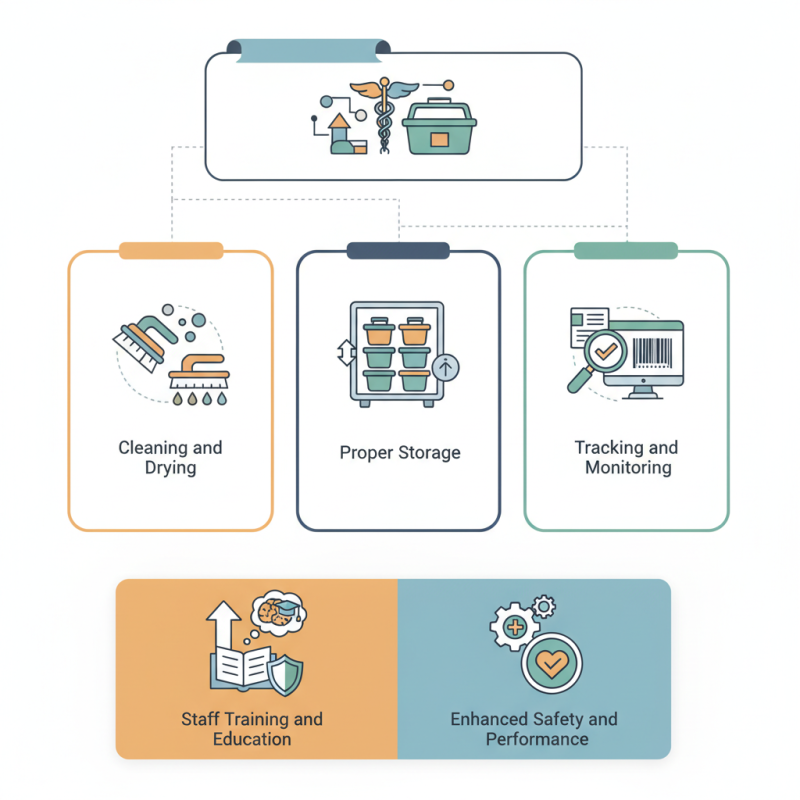
Reusable sterilization containers play a critical role in modern healthcare. Their ability to ensure the safe transport and storage of surgical instruments significantly enhances patient safety. These containers help reduce the risk of contamination and maintain sterility during operations. Proper management of these containers is essential to maximize their effectiveness and lifespan.
Tips for success with reusable sterilization containers include regular inspection for wear and tear. Training staff to recognize potential issues can prevent larger problems. Additionally, maintain a strict cleaning protocol. This ensures each container is returned to a sterile state after use. Implementing a tracking system is also vital. It helps to monitor container usage and manage inventory effectively.
Despite their importance, many facilities struggle with compliance. Inconsistent practices may lead to lapses in sterility. Regular education sessions for staff can bridge this gap. Foster a culture where concerns can be addressed openly. Continuous improvement can lead to better outcomes in using these crucial tools in healthcare settings.
Cleaning and disinfecting reusable sterilization containers is crucial in maintaining safety and effectiveness in healthcare settings. The process begins with a thorough visual inspection. Check for any visible debris or residue, as this can affect sterilization success. It is essential to properly disassemble containers, ensuring each part is accessible for cleaning.
Use an appropriate cleaning solution to scrub the surfaces of the containers. Pay close attention to hinges, latches, and other hard-to-reach areas. It may be tempting to skip these spots, but they can harbor bacteria. After cleaning, rinse with water to remove any detergent residue. This step is often overlooked, yet it plays a key role in the disinfection process.
Disinfection follows cleaning. Use a recommended disinfectant that is proven effective against microorganisms. Always follow the manufacturer’s instructions for contact time and dilution rates. In some cases, containers may not appear visibly dirty yet still harbor harmful germs. Regular monitoring and routine training for staff can address this issue. Engage staff in reflective practices to discover potential gaps in their cleaning protocols. Consistency is vital for ensuring patient safety.
| Best Practice | Description | Frequency | Responsible Personnel |
|---|---|---|---|
| Pre-cleaning | Remove visible debris and organic matter before sterilization. | Each use | Sterilization Technician |
| Manual cleaning | Use appropriate detergents to clean the containers manually. | After each use | Sterilization Technician |
| Disinfection | Disinfect surfaces with an approved disinfectant solution. | Daily | Sterilization Technician |
| Drying | Ensure containers are completely dry before storage. | Each use | Sterilization Technician |
| Storage | Store in a clean, dry environment to prevent contamination. | Ongoing | Sterilization Manager |
Organizing and labeling sterilization containers is crucial for maintaining efficiency in sterilization processes. Start by categorizing containers based on their intended use. This can help streamline retrieval during busy periods. For example, you might group containers used for surgical instruments separate from those for dental tools. It’s essential to keep closely-related items together, but also ensure they are easily distinguishable.
Labeling is equally important. Clear, concise labels can prevent confusion and save time. Use durable materials that withstand sterilization processes. Indicate not only the contents but also any specific requirements for sterilization. Consider using color-coded labels to enhance visibility and aid quick identification. Regularly check the labels for wear and replace them as needed.
However, even with organization and labeling, challenges may arise. Staff may overlook containers if they are not properly trained. Outdated labels can also lead to inefficiencies. Regular audits can help identify these issues. Encourage team feedback on the labeling process, and be open to adjustments. This iterative approach fosters a more reliable system.
Effective monitoring and tracking of the lifecycle of reusable sterilization containers is crucial. According to a recent study, approximately 30% of containers fail to meet sterilization standards due to inadequate tracking. This can lead to increased surgical site infections and jeopardize patient safety. Institutions must employ robust tracking systems, ensuring each container's history is diligently recorded.
Implementing barcode scanning and RFID technology can enhance traceability. Evidence suggests that facilities utilizing these technologies have reduced errors by over 40%. However, many organizations still rely on manual processes. This inconsistency can create gaps in monitoring and lead to potential risks. Regular audits and training staff on proper tracking procedures are essential for maintaining high safety standards.
Furthermore, lifecycle management should include periodic assessments of the containers. Some containers may show signs of wear or damage, compromising their effectiveness. It's imperative to establish a replacement schedule based on usage and condition. Despite advancements, industry reports indicate that 50% of facilities lack a comprehensive lifecycle management strategy. Addressing these vulnerabilities is necessary to ensure optimal outcomes in sterilization practices.
Training staff on the proper usage and maintenance of reusable sterilization containers is crucial. Clear guidance helps ensure safety and efficiency in healthcare settings. Staff must understand the importance of correct handling protocols. Mismanagement can lead to contamination risks or equipment damage.
Effective training programs should include hands-on practice. Employees can learn how to inspect containers for wear and tear. They must also grasp the correct cleaning methods. Regular training refreshers can address common mistakes and evolving protocols. This approach boosts confidence in using the containers.
**Tips:** Always double-check sterilization indicators after each cycle. Encourage questions about specific protocols. Visual aids can improve understanding of best practices. Regular audits can help staff reflect on their usage patterns. Consider utilizing feedback to improve training modules continuously. Engaging staff in the training process fosters ownership and accountability.
This chart displays the effectiveness of staff training on the proper usage of reusable sterilization containers over time. The data shows a significant increase in the percentage of proper usage from 45% before training to 85% six months after training.
: They help ensure safe transport and storage of surgical instruments, enhancing patient safety.
Regular inspection for wear and tear is essential for effective use.
Clear guidance and hands-on practice improve understanding and confidence in handling.
A strict cleaning protocol is necessary to return each container to a sterile state.
Regular education sessions for staff and an open culture can bridge compliance gaps.
It helps monitor usage and manage inventory effectively, ensuring containers are in proper condition.
Regular refreshers can address common mistakes and evolving protocols effectively.
Encouraging questions and using visual aids can enhance understanding of best practices.
Effectively managing reusable sterilization containers is crucial for maintaining sterile environments in healthcare settings. To understand how to handle reusable sterilization containers, it's important to recognize their significance in ensuring patient safety and operational efficiency. Best practices include thorough cleaning and disinfection of the containers, which helps prevent contamination.
Organizing and labeling the containers enhances efficiency in locating and using them, while monitoring and tracking their lifecycle ensures timely replacements and maintenance. Additionally, training staff on proper usage and maintenance is essential to uphold quality standards and minimize risks. By integrating these approaches, healthcare facilities can optimize the management of reusable sterilization containers, ultimately supporting better patient outcomes.

Jalil Medical