Peelable packaging plays a vital role in healthcare solutions. As demands for product safety and user convenience grow, this packaging type has gained prominence. According to a recent report by Smithers Pira, the global market for medical packaging is projected to reach $35 billion by 2025, highlighting the industry's evolution.
"Why is peelable packaging important in healthcare?" Healthcare packaging expert Dr. Sarah Johnson emphasizes, "It ensures sterility while allowing easy access for healthcare providers." Peelable packs provide a barrier against contaminants and support efficient product delivery. Their design minimizes risks during opening, which is critical in high-stress medical environments.
However, despite its advantages, not all peelable packaging meets stringent regulatory standards. This is an area that requires ongoing reflection and improvement. Ensuring patient safety is non-negotiable, yet some manufacturers struggle to achieve the necessary certifications. Hence, the conversation surrounding peelable packaging must continue to evolve, addressing both innovation and compliance challenges.
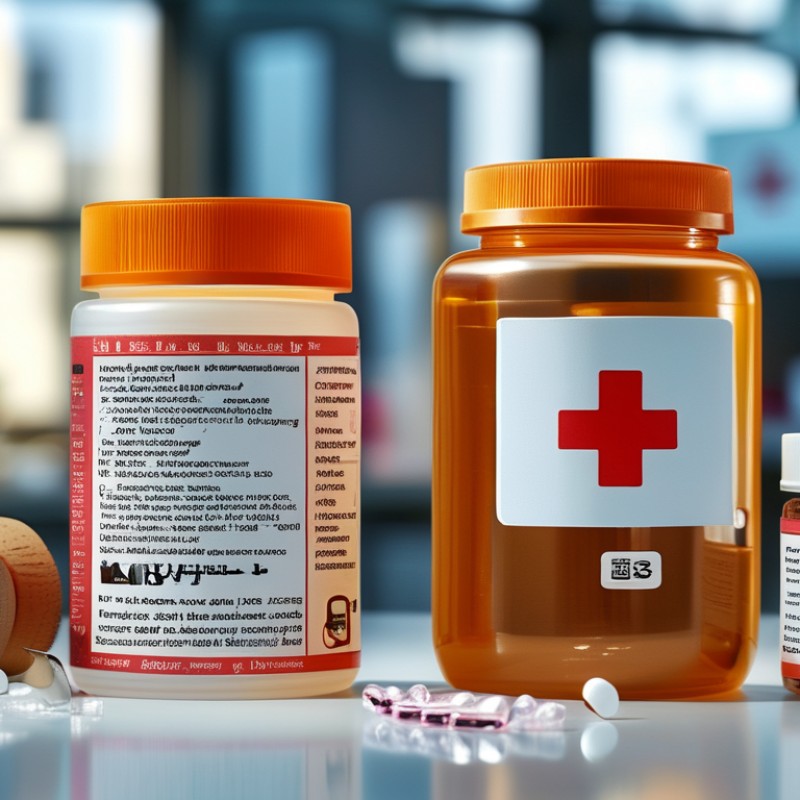
Peelable packaging is revolutionizing healthcare solutions. This type of packaging offers easy access to sterile medical supplies. According to a report by Smithers Pira, the global market for medical packaging is projected to reach $22.4 billion by 2025. Peelable features enhance usability while ensuring safety. This design minimizes contamination risks, vital for maintaining sterile conditions in healthcare environments.
In practice, peelable packaging serves multiple purposes. It allows healthcare professionals quick and efficient access to critical items like surgical instruments and medication. A study published in the Journal of Material Science highlights that over 75% of medical personnel prefer peelable systems for their convenience. However, this approach isn't foolproof. Some packaging can be difficult to peel open, risking delays during crucial moments.
Understanding the fit of peelable packaging in healthcare is essential. While it offers great benefits, constant evaluation is necessary to address usability issues. Stakeholders need to explore material innovations and user feedback. The challenge lies in striking a balance between safety and ease of use, ensuring that peelable packaging aligns with evolving healthcare needs.
Peelable packaging is increasingly important in healthcare. This type of packaging allows easy access to medical products without compromising sterility. Healthcare professionals appreciate that it can be torn open quickly and safely. Hospitals and clinics require efficient solutions to save time during critical situations. Quick access can make a significant difference in patient care.
Moreover, peelable packaging enhances user safety. The design minimizes contamination risks during the unboxing process. It ensures that medical instruments or products remain sterile until the moment of use. Many healthcare providers trust this method for surgical tools and sterile supplies. The reliability of peelable packaging reinforces the commitment to patient safety.
However, challenges exist. Not all peelable materials offer the same level of protection. Some may not withstand harsh conditions during transportation. Proper evaluation of packaging options is essential. This consideration ensures the preservation of product integrity. Ultimately, peeling open a package should be seamless and reliable—every time.
Peelable packaging offers significant advantages in healthcare. It provides easy access to products while maintaining their sterility. However, the implementation of this packaging method is fraught with challenges.
One major hurdle is the need for stringent testing. The materials used must ensure protection against contamination. Often, the compromise between accessibility and safety leads to complex design processes. This complexity can slow down the development cycle, delaying product launches. Proper training for staff is also needed. Workers must learn the best practices for using peelable packages to avoid errors during operations.
Another challenge is the cost associated with new packaging methods. Manufacturers must invest in innovative materials and production systems. This can lead to increased prices for healthcare providers. Some may resist adopting peelable packaging due to these costs. Additionally, there's a need for regulatory approval. Compliance can be a lengthy process, further complicating the adoption of peelable packaging solutions. These challenges require careful consideration and strategic planning as the healthcare industry progresses toward more efficient packaging solutions.
Peelable packaging plays a vital role in the medical industry. It offers an easy way to access healthcare products without compromising their sterility. This is essential for devices used in surgeries or critical care. However, regulatory considerations add complexity to its implementation. Authorities require that packaging not only protects the product but also ensures safety for end users.
The design and materials of peelable packaging must adhere to strict guidelines. They should maintain sterility during storage and transport. Additionally, manufacturers must prove that the packaging is effective against microbial contamination. Labeling requirements also come into play, necessitating clear instructions for use. These regulations often demand rigorous testing and validation processes.
Despite advances, imperfections still exist. Some packaging may be difficult to open, causing frustration. Others may not fully protect against moisture or light. This raises questions about the adequacy of certain solutions. Continuous dialogue among stakeholders is vital. It can help refine packaging standards and improve patient safety. Balancing convenience with regulation is an ongoing challenge for the healthcare sector.
Peelable packaging is increasingly vital in healthcare. As innovations continue, the industry is witnessing a shift toward more user-friendly designs. This kind of packaging allows for easy access while ensuring product integrity. In scenarios where sterility is paramount, peelability reduces contamination risks. It enhances the patient experience by making healthcare products more accessible.
Future developments may focus on incorporating smart technologies. Imagine peelable packaging that indicates freshness or expiration dates. Such advancements could greatly benefit hospitals and clinics. The ability to track medication effectiveness through innovative materials could transform patient care. Still, it’s essential to reflect on potential challenges. New materials or practices might drive up costs or complicate recycling.
Maintaining the balance between innovation and practicality is crucial. Healthcare providers must consider usability while protecting the environment. Training staff on using new packaging methods can also be beneficial. Engaging with users about their experiences could lead to improved design solutions. By addressing these aspects, peelable packaging may truly revolutionize healthcare applications.
: Peelable packaging is designed for easy access to medical products while maintaining sterility.
It allows quick access to medical products, crucial during emergencies, enhancing patient care significantly.
The design reduces contamination risks, ensuring that products remain sterile until they are used.
Not all materials provide the same level of protection, and some may fail under harsh conditions.
There are strict guidelines regarding design, materials, sterility, and labeling requirements for safety.
Some packages can be difficult to open or may not adequately protect against moisture or light.
It helps refine standards, improve safety, and address imperfections in packaging solutions.
They must conduct rigorous testing and validation to ensure it protects against microbial contamination.
Seamless and reliable access to the product is crucial for effective medical use.
Some users find the packaging hard to open, which can be frustrating in critical situations.
Peelable packaging is increasingly recognized as a vital component in healthcare solutions, primarily due to its convenience and ability to maintain product sterility. Understanding peelable packaging involves exploring its unique design that allows for easy access to medical products without compromising safety. The key benefits include enhanced usability for healthcare professionals, reduced risk of contamination, and improved patient compliance. However, challenges such as material selection and manufacturing consistency remain significant hurdles for implementation.
Moreover, regulatory considerations are crucial to ensure that peelable packaging meets industry standards for safety and efficacy. Future innovations in this area could lead to even more advanced solutions that enhance patient care and streamline healthcare processes. Thus, addressing the question of "Why is peelable packaging important in healthcare?" reveals its role in improving the overall efficiency and safety of medical product delivery.

Jalil Medical