Common Sterilization Failures and How to Prevent Them?

Time:2026-05-09 Author:Madeline
0%

Sterilization is a critical process in healthcare, ensuring that instruments and environments are free from pathogens. However, it is not infallible. What are common sterilization failures and how to prevent them? Understanding these failures is essential for maintaining safety and trust in medical practices.

Inadequate sterilization often stems from human error, equipment malfunction, or improper protocols. For example, incorrect loading of autoclaves can lead to inadequate steam penetration. Small mistakes can have serious consequences. Each facility must regularly evaluate its processes and train staff effectively.

Awareness of common pitfalls helps in crafting better strategies. It requires a proactive approach to prevent these failures. Regular audits and the embrace of technology play significant roles. By fostering a culture of safety and accountability, healthcare professionals can enhance sterilization practices. This leads to improved patient outcomes and a stronger reputation for healthcare institutions.
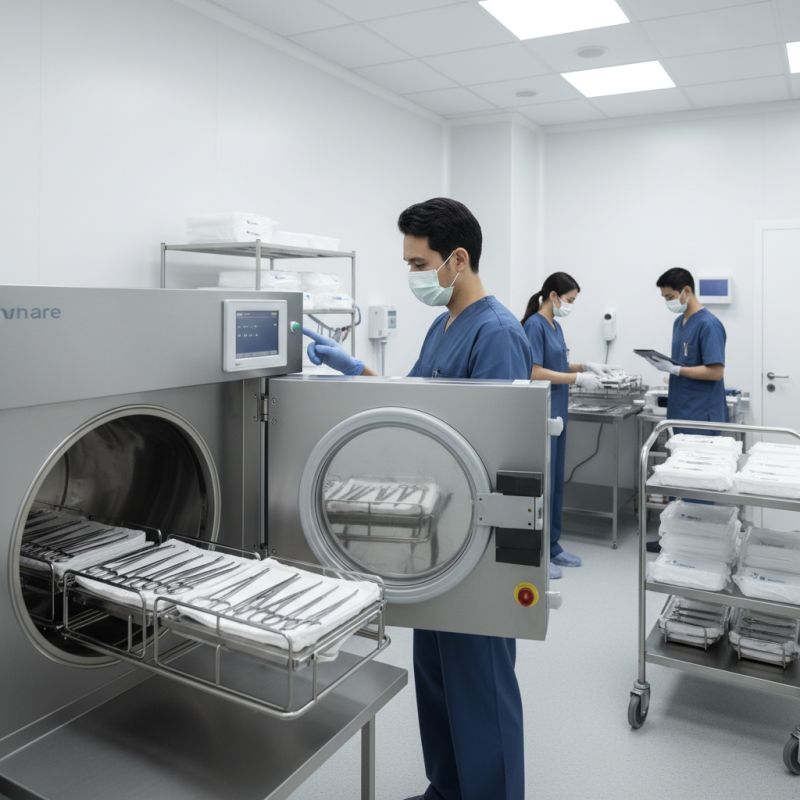
Common Sterilization Failures and How to Prevent Them?

Identifying Common Causes of Sterilization Failures

Sterilization failures can stem from various sources. One common cause is improper sterilization techniques. According to a report by the Association for the Advancement of Medical Instrumentation, nearly 20% of healthcare facilities experience issues related to sterilization errors. This underscores the importance of training staff thoroughly in the use of sterilization equipment.

Another significant factor is inadequate monitoring of the sterilization process. Biological indicators should be used regularly to ensure the efficacy of sterilization procedures. Studies indicate that without proper monitoring, the failure rate can increase by as much as 25%. Regular audits are essential in identifying lapses and ensuring compliance with recommended protocols.

Environmental factors also contribute to sterilization failures. Contaminated surfaces or insufficient cleaning can lead to inadequate sterilization. A report from the World Health Organization highlighted that almost 30% of sterile instruments may not meet required standards due to poor environmental controls. It's crucial for facilities to maintain high standards in cleanliness to prevent these issues. Recognizing these common causes is a pivotal step toward improving sterilization practices.

Assessing the Impact of Equipment Maintenance on Sterilization

Equipment maintenance plays a crucial role in successful sterilization processes. The CDC estimates that improper maintenance leads to 30% of sterilization failures. Regular checks are essential. Maintenance ensures that sterilizers operate at peak efficiency. This prevents the risk of underperformance, which can jeopardize patient safety.

In clinical settings, unmaintained equipment often shows decreased performance. For example, pressure gauges and temperature sensors must be calibrated regularly. A report from the World Health Organization notes that up to 20% of healthcare-associated infections are linked to faulty sterilization practices. Maintenance not only prevents failures but also extends the lifespan of equipment. Neglecting routine servicing can result in costly repairs and time lost.

Many facilities overlook the importance of staff training. Personnel need ongoing education on equipment operation and maintenance. Issues arise when employees are unaware of sterilization protocols. A thorough understanding can help mitigate risks and enhance the overall process. A report found that improved training reduced sterilization errors by 15%. Investing in maintenance and training has a significant impact on healthcare outcomes.

Best Practices for Sterilization Procedures to Ensure Efficacy

Sterilization is a critical process in healthcare. Proper techniques ensure the elimination of harmful microorganisms. However, failures can occur for various reasons. To enhance efficacy, it's essential to adhere to best practices.

One common source of failure is inadequate preparation of items for sterilization. Instruments must be cleaned thoroughly before the sterilization process. Residual organic matter can lead to ineffective results. Regular training programs for staff can help maintain high standards in the cleaning process. Moreover, monitoring sterilization indicators regularly supports reliable outcomes.

Environmental factors also play a significant role. Ensure that sterilization equipment is maintained and calibrated correctly. Conduct routine checks to catch any potential issues early. It's crucial to have a clear protocol in place for handling equipment and supplies. Unexpected cross-contamination can occur during storage. Store sterilized items in a clean, dry area, properly covered, to lessen the risk. Regular audits of storage practices can reveal areas needing improvement.

Training and Education: Key to Preventing Sterilization Errors

Training and education are vital in preventing sterilization errors. Many mistakes stem from a lack of understanding of sterilization protocols. Personnel must learn the specific requirements for diverse instruments and materials. Regular workshops can refresh crucial knowledge. This enhances awareness of proper techniques.

Hands-on training offers practical experience. It allows staff to engage with equipment in real scenarios. Simulated exercises can reveal common pitfalls. Workers may overlook details, like ensuring adequate air removal from containers. Feedback should be a part of training. It helps identify recurring issues and areas for improvement.

Communication is another key aspect. Regular team meetings can discuss challenges met during sterilization. Sharing experiences fosters a culture of learning. Staff may feel hesitant discussing mistakes, creating an environment of silence. Encouraging openness can lead to more proactive measures and a stronger commitment to excellence in sterilization practices.

Monitoring and Quality Control in Sterilization Processes

Monitoring and quality control in sterilization processes are crucial for effective healthcare. Each step of the sterilization process must be carefully monitored to ensure complete efficacy. Regular biological indicators can help verify that sterilization parameters are met. This involves testing with specific microorganisms to confirm that they are destroyed during the process.


However, even with monitoring, failures can occur. Equipment malfunction or human error can lead to inadequate sterilization. For instance, if sterilization cycles are too short or the temperature is not reached, contamination can remain. This risk underscores the importance of continuous training for staff. Proper knowledge significantly reduces errors during sterilization.


Records should also be meticulously maintained. Documentation provides a way to trace any issues back to their source. It is essential to have a quality management system in place. This helps identify patterns that could indicate potential failures. Taking proactive steps can minimize the risk of sterilization failures. Regular audits and proactive feedback can drive improvements and reinforce a culture of quality.

FAQS

: What are common causes of sterilization failures?

: Common causes include improper techniques, inadequate monitoring, and environmental factors like contamination.

How does improper technique contribute to sterilization failures?

Nearly 20% of facilities face sterilization errors due to untrained staff and improper use of equipment.

Why is monitoring important in sterilization processes?

Regular monitoring helps ensure efficacy; without it, failure rates can rise by 25%.

What role does equipment maintenance play in sterilization?

Improper maintenance is linked to 30% of failures. Regular checks keep sterilizers efficient and safe.

What happens if staff are not trained properly?

Untrained personnel can lead to errors. Improved training can reduce sterilization issues by 15%.

How can environmental factors affect sterilization?

Contaminated surfaces or poor cleaning can result in about 30% of instruments failing to meet standards.

Why is documentation important in sterilization processes?

Meticulous records help trace issues back to their source and identify patterns in failures.

Can equipment failure occur despite monitoring?

Yes, equipment malfunctions or human error can still lead to inadequate results, despite monitoring efforts.

What should facilities do to improve sterilization outcomes?

Regular audits, equipment checks, and ongoing staff training are essential for enhancing sterilization practices.

What are the risks of neglecting sterilization processes?

Neglect can lead to patient infections and costly repairs, underscoring the need for diligent practices.

Conclusion

Sterilization is a critical process in various industries, and understanding "what are common sterilization failures and how to prevent them?" is essential for ensuring safety and efficacy. Common causes of sterilization failures often stem from equipment malfunctions, improper procedures, or inadequate training. Regular maintenance of sterilization equipment plays a crucial role in mitigating these risks, as well-maintained machinery works more effectively and reduces the likelihood of failures.

Implementing best practices in sterilization procedures, along with comprehensive training and education for staff, is vital in minimizing human errors. Moreover, continuous monitoring and quality control measures can help identify potential issues before they lead to failures. By addressing these key areas, organizations can significantly enhance their sterilization processes and ensure a high standard of safety and effectiveness.

Madeline

Madeline

Madeline is a dedicated marketing professional with a wealth of expertise in our company's core offerings. With a keen understanding of the industry, she brings a unique perspective to her role, consistently delivering high-quality content that highlights the superior aspects of our products. As......