How to Choose Peelable Packaging for Healthcare Needs?

Time:2026-05-13 Author:Ethan
0%

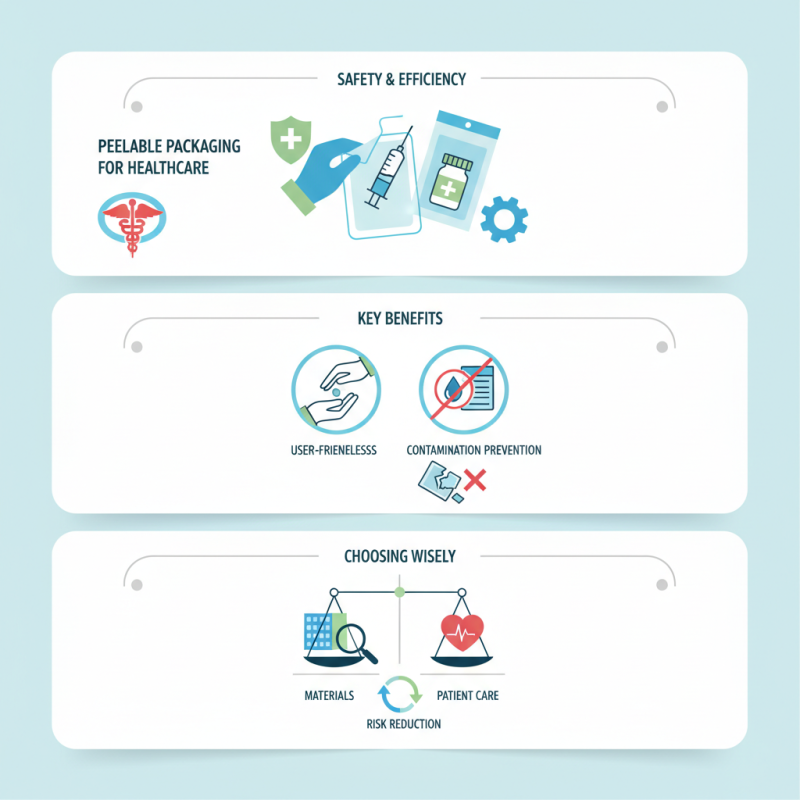
In the healthcare sector, peelable packaging is more than a convenient option; it's a necessity. Dr. Emily Carter, a leading expert in medical packaging solutions, emphasizes, "Peelable packaging enhances safety and efficiency in healthcare environments." This highlights its critical role in ensuring that medical products remain sterile and secure until they are ready for use.

Why is peelable packaging important in healthcare? The answer varies but revolves around user-friendliness and contamination prevention. Peelable designs allow for easy access to medications and devices without compromising sterility. However, not all peelable options guarantee quality. Poorly designed packaging can lead to product waste or accidental exposure.

Choosing the right peelable packaging requires careful consideration. It's essential to assess not just the ease of use but also the materials used. Each decision impacts patient care directly. Addressing these challenges is crucial for healthcare providers aiming for the best outcomes while minimizing risks.
How to Choose Peelable Packaging for Healthcare Needs?

Understanding the Importance of Peelable Packaging in Healthcare

Peelable packaging plays a crucial role in the healthcare sector. Its design ensures that sterile products remain uncontaminated until the moment of use. According to industry reports, the global peelable packaging market is projected to grow at a CAGR of 5.1% from 2021 to 2026. This growth highlights the increasing demand for safety and reliability in medical packaging.

Healthcare products often require a high level of sterility. Inadequate packaging can lead to contamination risks. A report by Smithers Pira emphasizes that 30% of healthcare-associated infections stem from improper packaging. Therefore, the choice of peelable materials must prioritize sterility and functionality. Some materials provide a protective barrier, while others offer easy opening features. Striking the right balance can be challenging for manufacturers.

User experience is another critical aspect. Many healthcare workers report frustration with difficult-to-open packaging. A study found that 40% of practitioners experience delays due to inefficient packaging. These delays can impact patient care and safety. Understanding the performance of different peelable materials is vital. Conducting thorough testing can ensure that packaging is not only effective but also user-friendly.

How to Choose Peelable Packaging for Healthcare Needs?

Dimension Details
Material Type Polypropylene, Polyethylene, PET, etc.
Sterilization Method Gamma Radiation, Ethylene Oxide, Steam etc.
Application Type Surgical Instruments, Medical Devices, Pharmaceuticals
Peel Strength Low, Medium, High depending on application
Barrier Properties Oxygen, Moisture, Light, etc.
Regulatory Compliance FDA, ISO 11607, CE Marking
User-Friendliness Easy to open and reseal if necessary
Storage Conditions Temperature and Humidity requirements

Identifying the Different Types of Peelable Packaging Available

Peelable packaging is essential in healthcare, ensuring product safety and sterility. There are several types available, each catering to specific needs. Often, these materials maintain a sterile barrier while allowing for easy access. Common options include heat-sealed peelable pouches and blisters. Heat-sealing creates a robust bond, while blister packs offer visibility for easier inspection.

When selecting packaging, consider the product’s shelf life. Some materials provide excellent moisture resistance, which is vital for certain pharmaceuticals. Others are designed for easy opening, benefitting healthcare professionals who often work with gloves. It's crucial to test the ease of peeling for users. A package that is difficult to open can lead to frustration and potential contamination.

The selection process can be overwhelming. Balancing functionality and cost is essential. Not all peelable materials excel in all environments. Some may not hold up under extreme temperatures or humidity. It’s important to evaluate packaging choices based on real-world conditions. Engaging with users can reveal insights often overlooked during the initial assessment.

Evaluating Material Options for Optimal Sterility and Safety

When selecting peelable packaging for healthcare applications, material choice significantly impacts sterility. According to a report by the Healthcare Plastics Recycling Council, nearly 90% of healthcare facilities prioritize packaging that maintains sterile barriers. Common materials include polyethylene, polypropylene, and advanced copolymers. Each has unique properties that can enhance or detract from sterility.

Polyethylene is often favored for its flexibility and moisture resistance. However, its susceptibility to punctures can be a concern. In contrast, polypropylene offers greater tear resistance but may not provide the same moisture barrier. The compatibility of these materials with sterilization methods is crucial. A recent study in the Journal of Applied Polymer Science indicated that certain materials can degrade during ethylene oxide sterilization. This degradation increases the risk of contamination.

Evaluating potential packaging also requires consideration of environmental impact. The industry reports that over 30% of healthcare waste originates from packaging. This statistic underscores the need for sustainable, peelable options. Finding the right balance between sterility, safety, and sustainability can be challenging. Engaging with material experts may be necessary to navigate this complex landscape and ensure optimal choices are made.

Assessing Usability and Accessibility for Healthcare Professionals

When choosing peelable packaging for healthcare applications, usability and accessibility must be prioritized. According to a report by the Institute for Healthcare Improvement, 30% of healthcare professionals find conventional packaging difficult to open, impacting workflow efficiency. This highlights a need for designs that support quick access, especially in emergencies. Packages should be intuitive and easy to handle.

Consider these tips when selecting peelable packaging: ensure that the materials used are compatible with a sterile environment. Look for easy-grip features that enhance user control. It is essential for healthcare professionals to practice with packaging options before broader implementation. This helps identify potential issues and adjust accordingly.

Accessibility is another key factor. A study by the World Health Organization found that poor packaging can lead to errors in medication delivery. Evaluate if the packaging can accommodate diverse users, including those with physical limitations. Packaging should not discriminate against any professional’s capability.

Engaging frontline staff in the selection process may reveal unforeseen challenges. Listening to their experiences can inform better design choices. The goal is not only to meet standards but to enhance daily operations in dynamic healthcare settings.

Considering Regulatory Compliance and Industry Standards in Selection

Choosing peelable packaging for healthcare products requires careful consideration of regulatory compliance and industry standards. The packaging must meet the requirements established by relevant authorities to ensure safety and efficacy. This includes understanding materials that are permissible and the testing protocols required for validation.

Tips: Consider using materials that have been tested for biocompatibility. This helps avoid issues with patient safety. Look for certifications that indicate compliance with standards such as ISO 13485. This certification can enhance reliability and trust in the packaging.

It is essential to stay updated with changes in regulations. These can affect the choice of packaging materials. Consulting with experts in healthcare packaging can provide valuable insights. Engaging with professionals ensures that your packaging strategies align with current regulations. Remember, what works today may not be relevant tomorrow.

Finally, don’t overlook the impact of packaging design on user experience. Peelable features should be accessible and intuitive for healthcare professionals. Testing the packaging in real-world scenarios can reveal its usability. Feedback from end-users can highlight areas for improvement.

Market Analysis of Peelable Packaging Materials for Healthcare Needs

This chart illustrates the market share of various peelable packaging materials commonly used in the healthcare industry, considering their regulatory compliance and industry standards.

FAQS

: What are the main types of peelable packaging available?

: Common options include heat-sealed pouches and blister packs. They cater to different healthcare needs.

Why is moisture resistance important for some packaging?

Moisture resistance is vital for certain pharmaceuticals to maintain their efficacy and shelf life.

How can difficult-to-open packaging affect healthcare professionals?

Difficult packaging can lead to frustration and may even cause contamination during use.

What features should I look for in peelable packaging?

Look for easy-grip designs and materials compatible with sterile environments for better usability.

How can I assess the usability of packaging options?

Practicing with packaging before use can help identify challenges and improve efficiency later.

What role does regulatory compliance play in packaging selection?

Packaging must meet regulatory standards to ensure safety, efficacy, and trustworthiness.

How important is user feedback in the packaging selection process?

Feedback can reveal unforeseen challenges and improve package design for better user experiences.

What should I consider regarding packaging materials?

Ensure materials are tested for biocompatibility and comply with relevant industry certifications.

Why is engaging frontline staff important in packaging selection?

Their experiences can uncover issues and inform better design choices for practical applications.

How can real-world testing improve peelable packaging?

Testing in actual scenarios allows for usability assessment and highlights areas that need improvement.

Conclusion

Peelable packaging plays a crucial role in the healthcare sector, primarily due to its ability to maintain sterility and ensure the safe handling of medical supplies. Understanding why peelable packaging is important in healthcare involves recognizing its various types and evaluating the best material options to achieve optimal sterility and safety. Different materials can offer unique benefits, so manufacturers must assess these to meet industry standards effectively.

Additionally, usability and accessibility are key factors for healthcare professionals when selecting peelable packaging. Packaging must not only comply with regulatory requirements but also facilitate swift and safe access during medical procedures. Therefore, a comprehensive evaluation of these aspects is essential to ensure that peelable packaging meets the high demands of the healthcare environment.

Ethan

Ethan

Ethan is a seasoned marketing professional with a deep expertise in our company's innovative product line. With a passion for sharing knowledge and insights, he takes the lead in regularly updating our corporate blog, where he explores industry trends, product features, and effective marketing......