How to Choose the Best Materials for Sterilization Wraps?

Time:2026-05-22 Author:Liam
0%

Selecting the right materials for sterilization wraps is critical in ensuring effective sterilization processes. Proper sterilization wraps prevent contamination and maintain sterility during storage. According to industry expert Dr. Anna T. Lee, "The choice of material directly affects the success rate of sterilization."

Many professionals in healthcare look to data from the Organization for Safety, Asepsis and Prevention (OSAP). Their reports indicate that the right materials can reduce the risk of infection by at least 30%. Common materials include paper, plastic, and woven fabrics. Each of these options has unique properties that influence their effectiveness.

However, not all materials are created equal. It is essential to consider factors like breathability and barrier protection. An inadequate choice can compromise sterility. Reflections on past practices reveal a tendency to prioritize cost over quality, leading to suboptimal outcomes. Thus, understanding "What materials are best for sterilization wraps?" can greatly enhance patient safety and care.
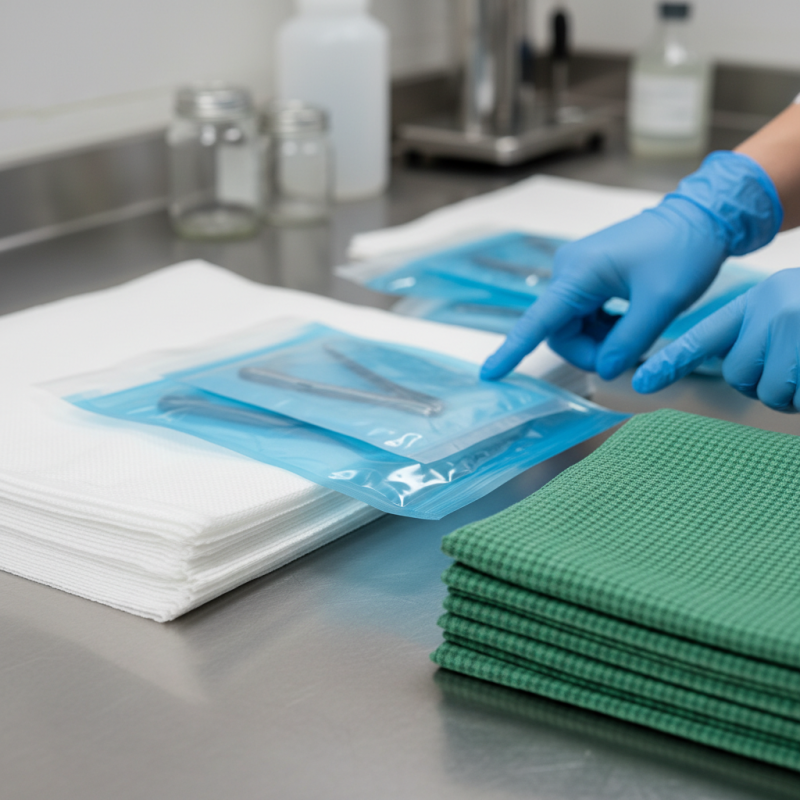
How to Choose the Best Materials for Sterilization Wraps?

Understanding the Purpose of Sterilization Wraps in Medical Settings

Sterilization wraps play a crucial role in maintaining the sterility of medical instruments. They are designed to protect sterile contents from contamination during storage and handling. The effectiveness of these wraps depends significantly on their material composition. According to the CDC, contaminated instruments can lead to healthcare-associated infections, which affect millions of patients each year. This highlights the importance of selecting appropriate sterilization wraps.

Tip: Choose materials that have been tested for microbial penetration. Look for certifications that validate their protective qualities.

Different wraps, such as paper, plastic, and fabric, offer varying levels of breathability and barrier protection. For instance, non-woven fabrics often provide optimal filtration and moisture resistance. However, some materials can compromise sterility if they are not selected based on the procedure. A study by the AAMI indicates that improper wrapping techniques can lead to compromised sterility in up to 30% of cases.

Tip: Always review the manufacturer’s guidelines for sterilization methods compatible with the material you choose.

Considering the purpose of sterilization wraps urges healthcare providers to continuously evaluate their protocols and materials. Reflect on past experiences where sterility was in question. It is essential to address any weaknesses in wrapping techniques and materials used. Regular training on sterilization practices can significantly reduce errors and enhance patient safety.

How to Choose the Best Materials for Sterilization Wraps?

Material Type Material Properties Advantages Limitations
Non-woven Fabric Good barrier against bacteria, breathable Cost-effective, lightweight, and provides good visibility of contents Less durable compared to woven materials
Woven Fabric Strong and durable, reusable Long lifespan, withstands multiple sterilization cycles Higher initial cost, requires proper cleaning and maintenance
Paper Wrap Good moisture and oxygen permeability Excellent for steam sterilization, economical Not suitable for gas sterilization, can tear easily
Plastic Wrap Impermeable, lightweight Provides complete moisture barrier, easy to handle Limited breathability, not ideal for steam sterilization

Key Factors to Consider When Selecting Sterilization Materials

Choosing the right materials for sterilization wraps is crucial in medical settings. Various factors influence this choice. One major consideration is the type of sterilization method used. Different materials interact differently with steam, ethylene oxide, or radiation. For example, some materials may degrade under high heat, while others remain stable. Assessing compatibility is essential.

Another critical factor is fluid resistance. Sterilization wraps should effectively prevent moisture penetration. This protects the sterilized items inside. Some materials offer a higher level of barrier protection against liquids. The thickness and composition of the wrap can also affect its ability to maintain sterility over time.

Additionally, consider the environmental impact of your choices. Biodegradable materials are gaining attention for their lower ecotoxicity. However, they may not always provide the same level of protection. This presents a dilemma: prioritize environmental responsibility or barrier integrity? Finding a balance between safety and sustainability is vital yet challenging.

Material Properties for Sterilization Wrap Selection

This chart illustrates the performance ratings of key properties to consider when selecting sterilization wraps. Each property is rated on a scale from 1 to 10, helping to identify the most suitable materials for effective sterilization processes.

Types of Materials Commonly Used for Sterilization Wraps

When selecting materials for sterilization wraps, understanding the common types is essential. Non-woven fabrics are a popular option. They offer effective barrier properties against contaminants. Reports indicate that non-woven wraps have a bacterial filtration efficiency (BFE) of over 98%. This high level of protection is crucial for maintaining sterility in medical settings.

Another common choice is paper-based materials. These wraps are breathable and allow steam penetration effectively. Some studies show that paper wraps can maintain sterility for up to 30 days under proper storage conditions. However, they may not provide the same moisture barrier compared to non-woven alternatives. This can lead to potential risks if not monitored carefully.

Film wraps also play a role in sterilization. They provide a strong barrier against moisture and contamination. Yet, the challenge lies in ensuring proper sealing techniques. Improper sealing can compromise the wrap's effectiveness. It’s important to consider these factors to choose the right materials. Findings suggest that the combined use of different materials might enhance overall efficacy. Each material has its strengths and weaknesses, making careful selection crucial.

Evaluating Sterilization Methods and Their Compatibility with Wraps

When evaluating sterilization methods, compatibility with wraps is crucial. Different materials withstand various sterilization techniques. Common methods include steam, ethylene oxide, and radiation. Not all wraps can endure high temperatures or chemical exposure. The choice of sterilization method impacts the integrity of the materials used.

For example, steam sterilization requires wraps made of materials that can tolerate moisture and heat. Some wraps may weaken or degrade when exposed to steam. In contrast, ethylene oxide sterilization works well with wraps that protect against chemical penetration. Regular testing is essential to ensure effectiveness and safety.

It's also vital to consider the physical properties of the wraps. How well do they handle storage and transportation? Do they tear easily or provide adequate barrier protection? These factors often get overlooked. Inadequate assessment might lead to sterilization failures. Evaluating wraps' performance requires a hands-on approach. Keep testing and refining your choices.

Best Practices for Handling and Storing Sterilization Wraps

Handling and storing sterilization wraps requires a keen understanding of best practices. Proper training for staff is crucial. Ensure that everyone involved knows how to handle these materials carefully. It's important to minimize potential contamination while managing the wraps. For instance, direct skin contact should be avoided. Using gloves can help maintain hygiene during the process.

Storage conditions are equally vital. Sterilization wraps should be kept in a clean, dry environment. A designated storage area works best. It prevents cross-contamination from other supplies. Temperature and humidity levels should be monitored regularly. High humidity can compromise the integrity of the wraps, making them less effective.

It's also wise to inspect the wraps before use. Check for tears, holes, or any signs of damage. Compromised wraps can lead to sterilization failures. While overseeing these practices, it’s easy to overlook details such as expiration dates. Each type of wrap has a specific shelf life. Maintaining an organized inventory can ensure that old wraps are used first and management remains efficient.

FAQS

: What is the main purpose of sterilization wraps?

: Sterilization wraps protect medical instruments from contamination during storage and handling.

What are common materials used for sterilization wraps?

Non-woven fabrics, paper-based materials, and film wraps are commonly used.

How effective are non-woven fabrics in filtration?

Non-woven wraps have a bacterial filtration efficiency (BFE) of over 98%.

Why is the proper selection of materials important?

Improper materials can compromise sterility and increase infection risks.

What storage conditions are recommended for sterilization wraps?

Store in a clean, dry environment, away from direct contaminants.

Why is training important for handling sterilization wraps?

Proper training minimizes contamination and helps staff use wraps effectively.

What should be checked before using sterilization wraps?

Inspect for tears or damage, and ensure expiration dates are noted.

Can paper-based wraps maintain sterility long-term?

Yes, they can maintain sterility for up to 30 days under proper conditions.

What issue can arise if sealing is improper on film wraps?

Improper sealing can compromise the wrap's effectiveness against contamination.

How can healthcare providers improve their sterilization practices?

Regular training and evaluation of techniques and materials can enhance safety.

Conclusion

Sterilization wraps play a crucial role in maintaining the sterility of medical instruments and supplies in healthcare settings. To choose the best materials for sterilization wraps, several key factors need to be considered, including the compatibility of the materials with different sterilization methods, their barrier properties, and the level of protection they provide against contaminants. Understanding these aspects is vital for ensuring effective sterilization and safety in medical practices.

Commonly used materials for sterilization wraps include non-woven fabrics, paper, and combination materials specifically designed to withstand various sterilization processes. It's important to evaluate how these materials perform with different sterilization methods, such as steam, ethylene oxide, or hydrogen peroxide, to determine their suitability. Additionally, adopting best practices for handling and storage can further enhance the efficacy of sterilization wraps. Ultimately, addressing the question of "What materials are best for sterilization wraps?" requires a thorough assessment of these factors to make informed choices for optimal infection control.

Liam

Liam

Liam is a dedicated marketing professional with a profound expertise in the industry, where he excels at highlighting the unique advantages of our core products. With a keen understanding of market trends and consumer needs, Liam frequently updates our company’s professional blog, providing......