China Top 10 Tips for Choosing the Right Instrument Sterilization Method?

Time:2026-05-11 Author:Sophia
0%

Choosing the right sterilization method for instruments is crucial in various fields like healthcare and laboratories. It ensures safety and efficacy in procedures. However, the sheer number of options can be overwhelming. Medical professionals often face difficult choices when selecting a method that best fits their specific needs.

To effectively navigate this landscape, one must consider multiple factors. Different instruments may require specialized techniques for optimal sterilization. For instance, heat, chemical, or gas methods might be suitable depending on the material of the instrument. The effectiveness of the method in killing pathogens is also a key consideration.

Reflecting on past decisions can be enlightening. Were the results always satisfactory? Did specific methods fail under certain conditions? These questions can guide future choices. Ultimately, understanding how to choose the right sterilization method for instruments is a blend of knowledge, experience, and adaptability in practice.
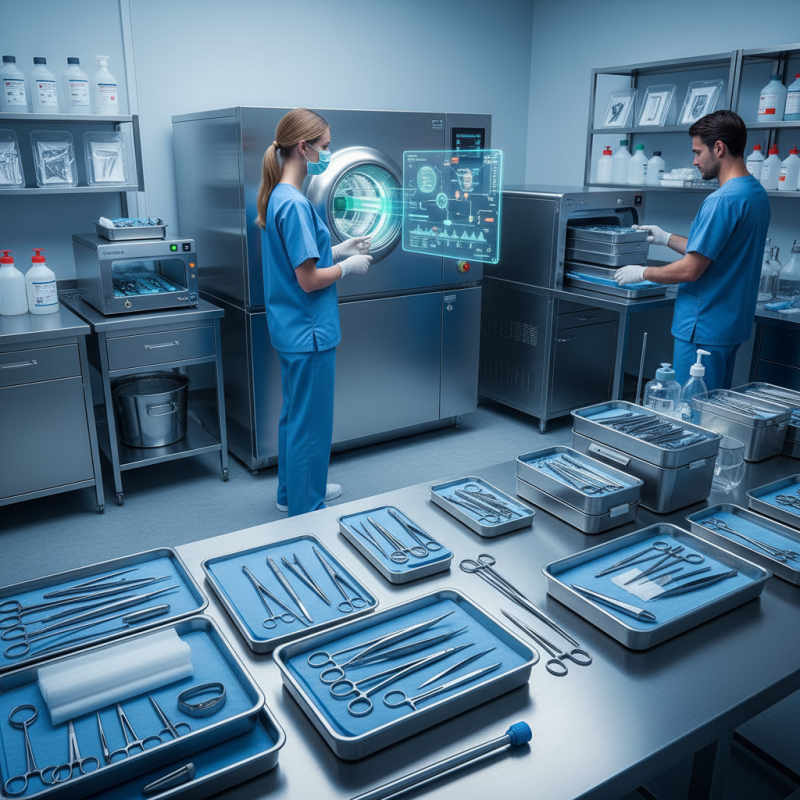
China Top 10 Tips for Choosing the Right Instrument Sterilization Method?

Understanding the Importance of Instrument Sterilization in Healthcare

Instrument sterilization is a critical aspect of healthcare, ensuring patient safety and infection control. The World Health Organization indicates that healthcare-associated infections affect 1 in 10 patients globally. This alarming statistic underscores the necessity for proper sterilization methods.

Different sterilization techniques exist, including steam, ethylene oxide, and dry heat methods. Each has its unique applications and effectiveness. For example, steam sterilization is widely recognized for its efficiency and cost-effectiveness. However, it may not be suitable for heat-sensitive instruments. Understanding the limitations of each method is vital for healthcare providers. The Centers for Disease Control and Prevention emphasizes the importance of following standardized protocols for sterilization to minimize risks.

Moreover, regular monitoring and validation of sterilization processes are essential. A study shows that 15% of medical instruments fail to meet the required sterilization standards. This issue indicates a pressing need for improvement in practices and training among healthcare staff. By focusing on instrument sterilization, facilities can significantly reduce infection rates and enhance overall care quality.

Overview of Common Instrument Sterilization Methods and Their Applications

Choosing the right sterilization method for instruments is crucial. Different methods have varied applications, and understanding them is essential. Steam sterilization is common. It is effective for heat-resistant instruments. However, it may not suit all materials. Consider compatibility when selecting this method.

Ethylene oxide sterilization is another option. It works well for heat-sensitive devices. Yet, its process is lengthy. Make sure to follow safety protocols during handling. This method might leave residual gas, which requires thorough aeration post-sterilization. Awareness of these factors is vital for safety.

Here are a few tips to remember: always assess your instruments’ material compatibility before choosing a method. Regularly train staff on best practices. Monitor sterilization cycles carefully. Keeping detailed records helps ensure reliability and compliance. Mistakes can happen, and reflections on past errors can improve future processes.

Factors to Consider When Choosing an Instrument Sterilization Method

Selecting the right instrument sterilization method involves careful consideration of several factors. Instrument type plays a crucial role. For example, heat-sensitive instruments require specific methods to ensure safety without damage. The sterilization process must be effective against a broad range of microorganisms, including bacterial spores, which are resistant to many methods.

Another vital aspect is the compatibility of the sterilization method with the instruments being used. Some methods, like autoclaving, involve high temperatures and moisture. Others, such as ethylene oxide gas, work effectively on heat-sensitive devices but require longer processing times. According to a recent study by the American Journal of Infection Control, nearly 30% of healthcare facilities reported challenges in selecting appropriate sterilization methods, highlighting the need for thorough assessment.

It’s important to evaluate the cost-effectiveness and efficiency of each sterilization option. Regular maintenance and proper training are necessary to ensure consistent results. Ensuring staff understands each method enhances reliability. For instance, implementing staff training programs can reduce errors in instrument handling. Balancing effectiveness and safety is a continuous challenge in the healthcare field, drawing attention to the need for ongoing education and adaptation.

Evaluating the Effectiveness and Limitations of Sterilization Techniques

When selecting an instrument sterilization method, understanding its effectiveness and limitations is crucial. Different techniques deliver varying levels of microbial kill rates. Autoclaving uses steam, proving effective but may not be suitable for heat-sensitive instruments. Chemical sterilization with ethylene oxide offers versatility yet poses risks associated with residual gases. Each method carries specific environmental and safety considerations.

It's also essential to recognize that no method is foolproof. Some sterilization processes can leave behind biofilms or resistant spores. The validation of the chosen technique is vital. Routine testing and monitoring should be non-negotiable aspects of your sterilization protocol. Tools like biological indicators serve as real-time validation, highlighting the importance of continuous vigilance.

In practice, personnel training is often overlooked. Adequate understanding of sterilization methods influences results greatly. Evaluating instrument load configurations and sterilization duration must be routinely assessed. Reflecting on the sterilization process reveals areas for improvement. Overconfidence in a method without thorough evaluation can lead to dire consequences.

Best Practices for Implementing Sterilization Protocols in Medical Settings

Implementing effective sterilization protocols in medical settings is crucial for patient safety. Selecting the right method can be challenging. Each sterilization technique has specific applications and limitations. Understanding these can help identify the best approach for different instruments. For instance, steam sterilization is common, but may not be suitable for all items due to material compatibility issues.

Regular training for staff is essential. Knowledge of the sterilization process ensures adherence to protocols. Monitoring equipment functionality is equally important. If autoclaves malfunction, the risk of contamination increases. Hospitals should invest in regular checks and maintenance for optimal performance. Staff should be encouraged to report any inconsistencies in sterilization outcomes.

Documentation of all sterilization processes provides an additional layer of accountability. Each cycle should be logged, enabling tracing and quality assurance. However, challenges may arise if records are incomplete or inaccurate. Continuous improvement is necessary. Reflecting on past practices can lead to better protocols. Encouraging a culture of feedback can enhance overall sterilization efficiency.

FAQS

: Why is instrument sterilization important in healthcare?

: It ensures patient safety and prevents infections. Healthcare-associated infections affect 1 in 10 patients globally.

What are common methods of sterilization?

Steam, ethylene oxide, and dry heat methods are widely used. Each has unique applications and effectiveness levels.

Can all instruments use steam sterilization?

No, steam sterilization is not suitable for heat-sensitive instruments. Understanding each method's limitations is vital.

What challenges do healthcare facilities face in sterilization?

Nearly 30% report difficulties in selecting appropriate sterilization methods. This indicates a need for better assessment.

How often should sterilization equipment be checked?

Regular monitoring and maintenance are crucial. Malfunctioning equipment increases contamination risks.

What role does staff training play in sterilization?

It ensures staff understands protocols and reduces handling errors. Ongoing education is necessary for consistent results.

What should be documented during the sterilization process?

Each sterilization cycle should be logged for accountability. Incomplete records may hinder quality assurance.

How can facilities improve their sterilization practices?

Continuous reflection on past practices can lead to better protocols. Encouraging feedback among staff enhances efficiency.

What factors influence the choice of sterilization method?

Instrument type, compatibility, cost-effectiveness, and efficiency are key factors to consider.

Are there risks associated with improper sterilization?

Yes, improper sterilization can lead to high infection rates and compromise patient care quality.

Conclusion

In the healthcare sector, the sterilization of instruments is crucial for ensuring patient safety and preventing infections. Understanding the various sterilization methods, such as steam, ethylene oxide, and hydrogen peroxide, along with their specific applications, is essential for healthcare professionals. When considering how to choose the right sterilization method for instruments, factors such as the type of instruments, the level of contamination, and the operational environment play a significant role.

It's also vital to evaluate the effectiveness and limitations of each sterilization technique to ensure optimal results. Implementing best practices for sterilization protocols not only enhances safety but also improves compliance with healthcare regulations. By carefully assessing these elements, medical facilities can establish reliable sterilization methods that protect both patients and staff, ultimately fostering a culture of safety and excellence in healthcare delivery.

Sophia

Sophia

Sophia is a dedicated marketing professional with an exceptional depth of knowledge about her company's products and services. With a keen understanding of market trends and customer needs, she crafts insightful blog posts that not only inform but also engage readers, enriching the company’s online......