Reading chemical indicator strips accurately is critical for ensuring safety in laboratory settings. Understanding how to read chemical indicator strips correctly involves recognizing the changes that occur on the strip during the sterilization process. These strips provide visual feedback, indicating whether the conditions for effective sterilization have been met.
When using indicator strips, it is essential to follow the manufacturer’s instructions. Factors such as time, temperature, and exposure must be considered. Misinterpretation can lead to serious safety risks, as some strips may display misleading results if not used properly. Regular training sessions could enhance workers' ability to interpret these indicators accurately.
Chemical indicators are not infallible. They can sometimes provide ambiguous results, emphasizing the importance of experience. Users should always develop a critical approach to evaluating the readings. Establishing standard operating procedures can help streamline this evaluation process but should include room for consistent reflection on practices for improvement.
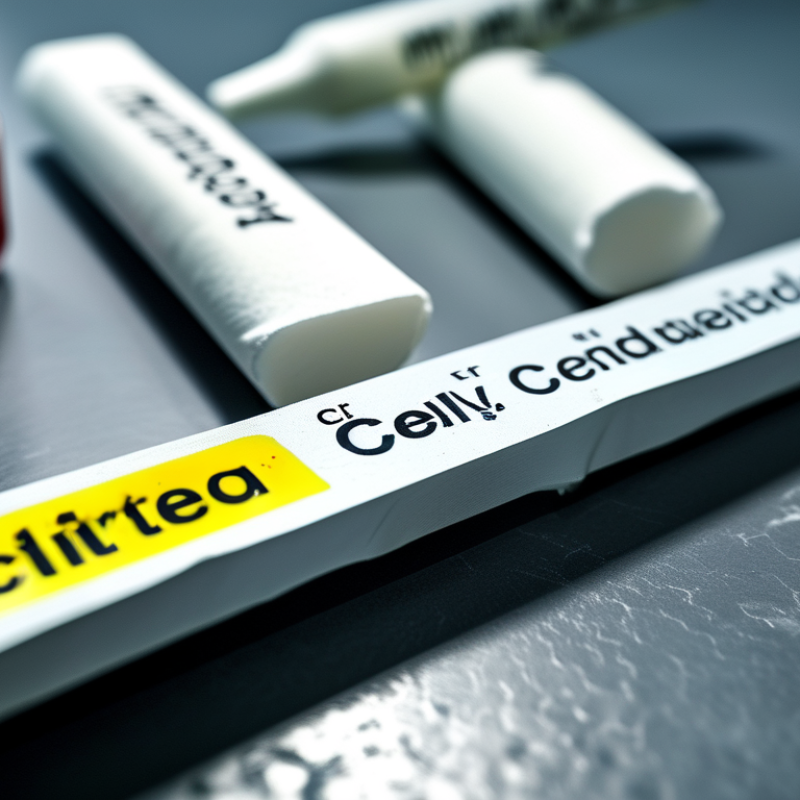
Chemical indicator strips are essential for ensuring safety in various environments. They are often used to verify sterilization processes. These strips contain chemicals that change color when exposed to specific conditions, such as high temperatures or certain chemical agents. By understanding how to read these strips accurately, users can ensure effective sanitation and safety.
Being familiar with the specific color changes is crucial. Each strip has a unique reaction pattern. For instance, a strip designed for steam sterilization will exhibit different colors than one meant for ethylene oxide. It’s important to know what each color represents. Misinterpretation can lead to unsafe practices.
One effective tip involves checking the expiration date on the packaging. Expired strips may yield unreliable results. Additionally, review the manufacturer's instructions provided with the strips. Understanding the specific requirements for color interpretation ensures accurate reading. If ever in doubt, consider performing spot checks with new strips alongside older ones. This practice can highlight inconsistencies in results and reinforce your understanding of the strips' functions.
| Strip Type | Color Change Indication | Purpose | Usage |
|---|---|---|---|
| pH Strips | Color changes from yellow (acidic) to blue (alkaline) | To measure acidity or alkalinity of a solution | Dipping into a liquid and matching color to scale |
| Sterilization Indicators | Color change to indicate exposure to sterilization conditions | To confirm that items have been sterilized | Placed within sterilizer, color change confirms process |
| Water Quality Test Strips | Color change indicates concentration levels of contaminants | To assess water purity and chemical levels | Dip in water and compare to color chart |
| Oxidizer Test Strips | Color change indicates presence of oxidizing agents | To detect potential hazardous oxidizers | Immerse in sample solution and read results |
: They provide visual feedback on conditions like temperature, pH levels, or sterilization processes in various applications.
A pH strip changes color when immersed in a solution. This helps gauge acidity or alkalinity accurately.
This strip indicates if sterilization has effectively killed harmful pathogens by changing color after specific conditions.
Rushing the reading, poor lighting, and incorrect comparisons to color charts can lead to misinterpretations.
Dim light may obscure color changes. Use bright, adequate lighting for clear results and accurate assessments.
Always wear gloves and goggles. Work in a well-ventilated area and be cautious of chemical exposure.
The guidelines provide accurate color codes and conditions, which are critical for reliable readings and safety.
If unsure about the reading, another perspective can confirm results, especially in high-pressure situations.
Factors like humidity and temperature can impact strip readings and should always be documented during use.
Reflecting can reveal oversight patterns and improve accuracy, which enhances safety in handling chemicals.
Understanding how to read chemical indicator strips correctly is crucial for ensuring safety in various applications. Chemical indicator strips are designed to provide visual confirmation of sterilization processes and other safety measures. These strips come in various types, each suited for different applications, and learning to interpret them accurately is essential.
The process involves following a step-by-step guide, which includes observing the color change and comparing it against reference standards. However, common mistakes such as misreading results or failing to account for environmental factors can lead to incorrect conclusions. Additionally, it is vital to adhere to safety precautions when handling these strips to ensure accurate readings and maintain a safe working environment. With proper knowledge and attention to detail, one can confidently assess the effectiveness of safety measures using chemical indicator strips.

 Jalil Medical