Choosing the right sterilization wrap is a packaging decision, not a simple material comparison. The best option depends on the sterilization method, instrument weight, storage time, and handling conditions. What materials are best for sterilization wraps? In most healthcare settings, nonwoven polypropylene is a strong choice for steam sterilization. It offers good microbial barrier performance, flexibility, and tear resistance. It also conforms around trays with fewer exposed gaps.
Paper-plastic pouches can improve visibility. However, they are usually better suited to smaller instruments than heavy surgical trays. Reusable woven textiles may reduce disposal volume, but they require strict inspection, cleaning, folding, and replacement controls. Their performance can decline after repeated laundering. That detail is easy to underestimate.
For low-temperature hydrogen peroxide systems, specialized synthetic materials, including Tyvek, may perform better than ordinary paper-based wraps. Material compatibility must always follow the sterilizer manufacturer’s validated instructions. Dr. William A. Rutala, a widely cited infection-prevention expert, stated, “Sterilization is the process that destroys or eliminates all forms of microbial life.” His point reinforces a practical truth: the wrap must allow sterilant penetration while maintaining sterility afterward.
A reliable selection process also examines seal strength, puncture resistance, linting, moisture behavior, and event-related shelf life. No material is perfect. A wrap that performs well in a controlled test may fail during rushed transport or poor storage. For that reason, hospitals should review real handling experience, not marketing claims alone. The safest answer is often the material that matches the validated cycle and survives daily use.
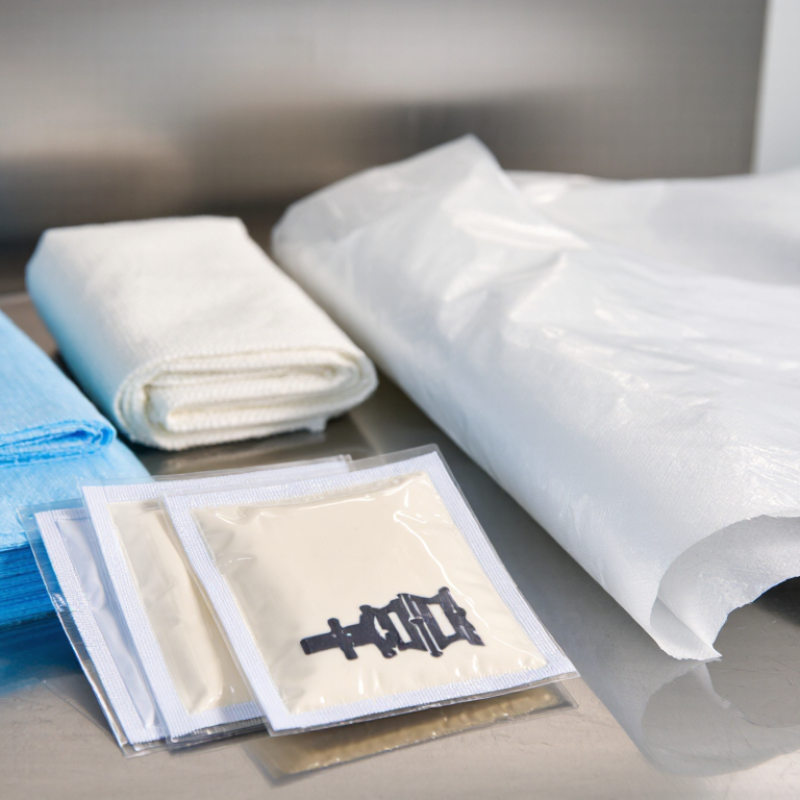
What Sterilization Wrap Materials Are and Why They Matter
Sterilization wrap is a protective material placed around cleaned medical instruments before sterilization. It must let the sterilizing agent enter, then block microorganisms during storage and handling. Common options include nonwoven polypropylene, multilayer synthetic sheets, crepe paper, and reusable woven textiles. Each material behaves differently under steam, heat, moisture, and physical stress.
The best choice depends on the instrument’s weight, shape, sterilization method, and storage conditions. Nonwoven wraps usually offer strong barrier protection and consistent performance. Paper-based wraps can provide useful breathability but may tear when wet or folded poorly. Reusable textiles can reduce disposable waste, yet they require careful inspection, cleaning, drying, and maintenance. A wrap may look clean but still have a weak seam or tiny puncture. That detail is easy to miss.
Tips: Choose a material validated for your sterilizer. Follow the manufacturer’s loading guidance and avoid overpacking. Inspect every wrap before and after processing. Check corners, seals, moisture, and damaged areas. Use indicators correctly, but do not treat them as proof of package integrity. In daily practice, staff should record recurring tears and review handling methods. Small changes, such as removing sharp instruments from the outer edge, can prevent repeated failures. No material works perfectly in every setting.
How Barrier Strength, Breathability, and Durability Compare
Choosing sterilization wrap materials requires more than checking tear resistance. Barrier strength, breathability, and durability must work together during processing and storage.
A strong wrap should resist punctures from instrument edges and heavy tray corners. It must also maintain its barrier after folding, sealing, and handling. Nonwoven polypropylene wraps often provide a useful balance of strength and flexibility. However, excessive stiffness can make wrapping awkward. That creates gaps or stressed folds.
Breathability matters during sterilization. The material must allow air removal and sterilant penetration, then prevent microbial entry afterward. A dense barrier may look safer, but poor permeability can interfere with cycle performance. Moisture is another concern. Damp packs can lose practical protection and require careful investigation before use. Small details matter.
Durability appears after the cycle ends. Staff may move packs across shelves, carts, and storage rooms. Weak wraps can tear against wire shelving or tray handles. A practical evaluation should examine tensile strength, tear resistance, puncture performance, and seal or fold integrity. Results should match the intended sterilization method and validated instructions.
One lesson is easy to miss: the strongest material is not always the best choice. I once viewed barrier strength as the main priority. That view was incomplete. A slightly more breathable wrap may perform better when handling, moisture, and cycle compatibility are considered together. Real conditions are rarely perfect. Temperature, load weight, storage time, and staff technique can change the outcome. Evidence from routine inspections should guide material selection, not appearance alone.
2026 Top Sterilization Wrap Materials What Works Best? - How Barrier Strength, Breathability, and Durability Compare
Ratings are comparative, typical performance indicators for commonly used medical sterilization wraps. Actual results depend on material construction, converting quality, package design, sterilization parameters, handling, and applicable standards.
| Material Type |
Typical Construction |
Barrier Strength
(1–5) |
Breathability
(1–5) |
Durability
(1–5) |
Sterilization Compatibility |
Best-Fit Use |
| Medical-Grade Crepe Paper |
Cellulose fibers with creped structure |
3 |
4 |
2 |
Steam, ethylene oxide, and dry heat when validated for the specific product |
Lightweight instrument sets and applications where low cost and easy folding are priorities |
| Spunbonded Polypropylene |
Continuous polypropylene filaments bonded into a nonwoven sheet |
3 |
4 |
4 |
Steam, ethylene oxide, and low-temperature hydrogen peroxide processes, subject to validation |
General-purpose wrapping where flexibility, lint control, and handling strength are needed |
| SMS Polypropylene Nonwoven |
Spunbond–meltblown–spunbond multilayer structure |
4 |
4 |
4 |
Commonly used with steam, ethylene oxide, and selected low-temperature sterilization systems after validation |
Routine instrument sets requiring a balanced combination of microbial barrier, air permeability, and strength |
| High-Performance Multilayer Polypropylene |
Reinforced multilayer nonwoven polypropylene |
5 |
4 |
5 |
Steam and other validated sterilization methods; compatibility depends on the finished wrap design |
Heavy, sharp, or complex instrument trays and environments with demanding transport and handling conditions |
| Cellulose–Polyester Composite |
Cellulose layer reinforced with polyester fibers or a polyester web |
4 |
3 |
4 |
Steam and ethylene oxide are common applications when the composite is validated for the cycle |
Instrument sets needing improved tear resistance while retaining some paper-like handling characteristics |
| Polyester Nonwoven |
Continuous polyester fibers bonded into a stable nonwoven web |
4 |
3 |
5 |
Steam and selected low-temperature processes, only where cycle compatibility has been demonstrated |
Reusable or high-abrasion applications where dimensional stability and repeated handling strength matter |
| Flash-Spun Polyolefin Nonwoven |
High-strength polyolefin microfilament nonwoven sheet |
5 |
4 |
5 |
Steam, ethylene oxide, and certain low-temperature methods when validated by the manufacturer |
Large or heavy trays requiring high puncture resistance, clean handling, and dependable microbial barrier performance |
Overall comparison:
High-performance multilayer polypropylene and flash-spun polyolefin generally provide the strongest combination of barrier protection and durability. SMS polypropylene is often the most balanced option for routine instrument processing, while crepe paper remains useful when cost, folding convenience, and high air permeability are more important than maximum tear resistance.
Paper-Polyester, Nonwoven, and Reusable Wraps Explained
2026 Top Sterilization Wrap Materials: What Works Best?
Paper-polyester, nonwoven, and reusable wraps serve different processing needs. Paper-polyester packaging allows visual inspection through its transparent film. Its paper surface supports sterilant penetration and clean presentation. However, sharp edges can puncture the package during handling.
Nonwoven polypropylene wraps offer strong drape and useful fluid resistance. Many use layered spunbond and meltblown structures. They suit bulky instrument sets and reduce folding complexity. The CDC’s Guideline for Disinfection and Sterilization in Healthcare Facilities lists 132°C for four minutes in prevacuum cycles for wrapped loads. The cycle still depends on the sterilizer and device instructions. Short cycle times do not excuse poor loading.
Reusable textile wraps can lower disposal volume across repeated uses. Their value depends on inspection, laundering, drying, and documented replacement limits. A tiny pinhole may be invisible during a busy shift. AAMI ST79:2017/(R)2022 stresses packaging integrity, sterilant contact, and storage controls. Reusable systems require disciplined checks after every cycle. That is the difficult part.
Material choice should follow set weight, moisture exposure, sterilizer type, and handling risk. There is no universal winner. One assumption deserves challenge: lower waste does not always mean lower total impact. Energy, water, transport, and failed reprocessing can change the result. Test the actual pack configuration, not an ideal sample.
2026 Top Sterilization Wrap Materials: What Works Best?
Ratings use a typical 1–5 comparative scale based on common material behavior: 1 = limited and 5 = strong. Paper-polyester wraps provide effective barrier protection but have lower wet strength and are generally single-use. Nonwoven wraps offer a strong balance of barrier performance, breathability, and handling durability. Reusable woven wraps provide the highest cycle durability, but their performance depends on validated laundering, inspection, packaging, and sterilization procedures.
Which Materials Suit Steam, Hydrogen Peroxide, and EO Sterilization
Choosing sterilization wrap materials in 2026 requires matching barrier performance with the sterilization method. Steam needs wraps that tolerate saturated heat, pressure, and repeated handling. Synthetic nonwoven wraps, especially polypropylene-based structures, commonly provide strength and reliable microbial barriers. Reusable woven textiles can work, but only with controlled laundering, inspection, and documented replacement criteria. A small tear near a fold can defeat an otherwise sound process.
Hydrogen peroxide systems need low-lint, low-absorption materials that allow vapor contact. Cellulose-rich wraps may interfere with the cycle or retain process chemicals, depending on the system. Polyolefin or polyester-based wraps are often more suitable, but compatibility must be confirmed in validated instructions. EO sterilization is more forgiving across many medical materials. The wrap still needs sufficient gas penetration and dependable aeration after processing. Residual EO is not a minor detail. It demands monitoring.
Tips: Check the wrap’s stated method, thickness, and microbial barrier rating. Test real tray weights, corners, and sharp instrument guards. Do not judge performance by appearance alone. Record tears, wet packs, seal failures, and storage damage. One practical lesson is easy to miss: the “best” material can fail when staff fold it inconsistently or overload the tray. Review local validation data before changing materials. Some assumptions will need revisiting.
How to Select the Best Wrap for Each Clinical Application
2026 Top Sterilization Wrap Materials: What Works Best?
How to Select the Best Wrap for Each Clinical Application
Choosing a sterilization wrap starts with the sterilizer, not the catalogue. For saturated steam, validated polypropylene nonwoven wraps suit many instrument sets. Cellulose-based wraps may work well for steam, but they are unsuitable for some low-temperature systems. Hydrogen peroxide processes usually require compatible, cellulose-free materials. Always follow the sterilizer and wrap manufacturer’s validated instructions.
Heavy orthopedic trays need stronger wraps, careful folding, and enough space for sterilant circulation. Lightweight ophthalmic sets may need softer materials that reduce pressure on delicate instruments. Reusable woven wraps can support waste reduction, but every cycle demands inspection, laundering, and documented repair decisions. One missed pinhole can defeat an otherwise controlled process. Fit matters.
ISO 11607-1 and ISO 11607-2 emphasize material performance, sealing, and packaging-process validation. AAMI ST79 also stresses inspection, loading, drying, and sterile storage controls. The CDC’s 2022 National and State HAI Progress Report states that about one in 31 U.S. hospital patients has an infection on any given day. That figure does not prove wrap failure, but it shows why packaging deserves attention. WHO’s 2022 global IPC report notes that effective infection-prevention programs may reduce healthcare-associated infections by up to 70%. That estimate is encouraging, yet material choice alone cannot deliver it. I would not select a wrap by price or thickness alone. Test the complete pack, including the tray, sterilizer cycle, transport route, and storage conditions. Then review the evidence again.
FAQS
It allows sterilizing agents to enter cleaned instruments. Afterward, it helps block microorganisms during storage and handling. It protects, but it is not perfect.
Common choices include nonwoven polypropylene, multilayer synthetic sheets, crepe paper, and reusable woven textiles. Each reacts differently to heat, moisture, and stress.
Consider the instrument’s weight, shape, sterilization method, and storage conditions. A wrap suitable for light instruments may fail around heavy tray corners.
The wrap must resist punctures while allowing air removal and sterilant penetration. A very dense material may restrict cycle performance. Stronger is not always better.
Damp packs may lose practical protection and require investigation before use. Check wet areas carefully after processing. Moisture is a warning sign.
Check corners, folds, seals, seams, and the entire surface for tears or punctures. A clean-looking wrap may still contain a tiny weak spot.
They may reduce disposable waste, but they require careful cleaning, drying, inspection, and maintenance. Poor upkeep can weaken their protective performance.
Record recurring tears and review handling methods. Keep sharp instruments away from outer edges. Avoid overpacking and follow loading guidance.
No. Indicators help show processing conditions, but they cannot confirm that the wrap remains undamaged. Inspect the package separately. That distinction matters.
Conclusion
Sterilization wraps protect medical instruments from contamination while allowing the chosen sterilization process to work effectively. Their performance depends on barrier strength, breathability, tear resistance, flexibility, and the ability to maintain package integrity during handling and storage. Paper-polyester wraps can provide clear visual inspection and reliable protection, while nonwoven materials often offer strong puncture resistance and consistent performance. Reusable textile wraps may reduce waste but require careful laundering, inspection, and maintenance.
What materials are best for sterilization wraps? The answer depends on the sterilization method and clinical application. Steam-compatible materials must tolerate heat and moisture, whereas hydrogen peroxide systems generally require suitable porosity and low material interference. Ethylene oxide applications may favor wraps that permit gas penetration and later aeration. For lightweight sets, breathable nonwoven wraps may be practical; for heavier or sharper instruments, stronger multi-layer solutions may be preferable. Selecting the right material requires balancing sterility protection, process compatibility, durability, handling needs, and overall operational efficiency.

 Jalil Medical