Choosing the best heat-sensitive tape for sterilization safety requires more than comparing adhesive strength or color contrast. In a busy processing room, the tape must remain attached to wrapped instruments, display a clear change, and stay readable after handling. A faint stripe on a damp package can create uncertainty. That uncertainty matters.
How does heat-sensitive tape improve sterilization safety? It provides a visible process indicator that helps staff identify packages exposed to a defined sterilization cycle. It can support workflow checks, reduce mix-ups, and strengthen documentation before storage or use. However, the tape does not prove sterility. It does not replace biological indicators, chemical indicators, equipment monitoring, or validated procedures. That limitation is easy to overlook.
This 2026 guide examines tape performance through practical and technical criteria. These include temperature compatibility, adhesive behavior, indicator accuracy, printability, residue, packaging surfaces, and storage conditions. It also considers manufacturer instructions and recognized healthcare processing practices. Experienced technicians know that small details matter. A roll may work well on paper wrapping but lift from a rigid pouch. A dramatic color shift may still be difficult to interpret under poor lighting. Real-world testing is necessary.
No product is perfect. Humidity, excessive tension, expired stock, and incorrect cycle selection can affect results. The safest choice combines reliable tape with trained staff, clear release procedures, and traceable records. This overview aims to help buyers and sterilization teams make a careful, evidence-informed decision rather than choosing by appearance alone.
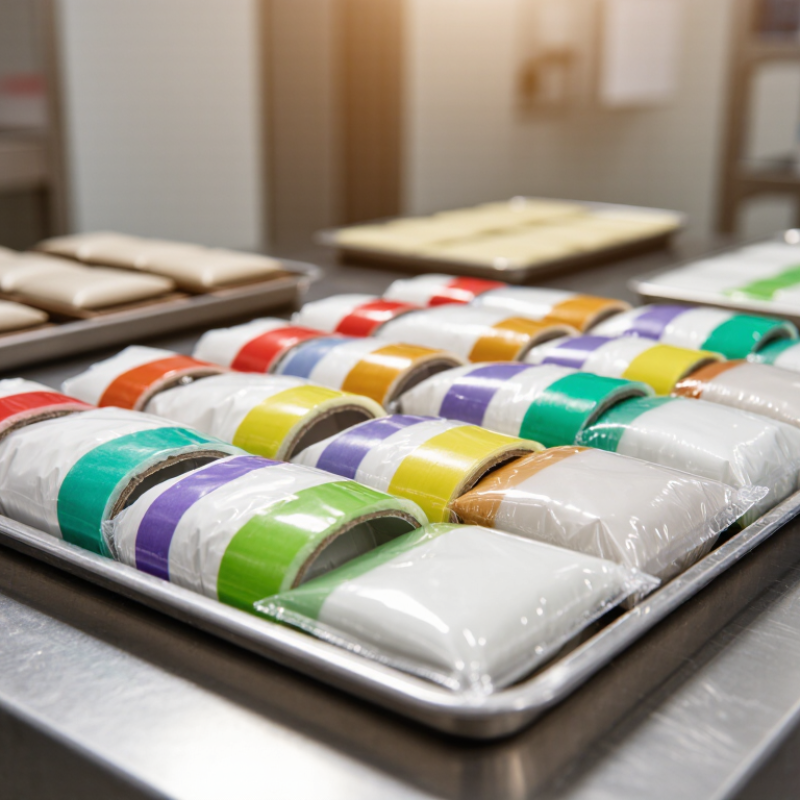
What Is Heat-Sensitive Sterilization Tape?
What Is Heat-Sensitive Sterilization Tape?
Heat-sensitive sterilization tape is an adhesive strip with chemical indicators that react to sterilization conditions. When exposed to suitable heat, steam, or pressure, its printed markings change color. This visible change helps staff identify processed packages quickly. However, the tape does not prove that every item inside is sterile. It mainly confirms exposure to a defined process.
In daily practice, technicians place the tape across wrapped instrument packs before loading them into a sterilizer. After the cycle, they check the color change, package seal, and cycle record. A weak or uneven change may signal poor contact, excessive packing, or incorrect settings. The tape can also lose reliability when stored near moisture, sunlight, or high temperatures. This detail is easy to overlook. It should not be.
Tips: Store the tape in a cool, dry cabinet. Follow the manufacturer’s temperature range and expiration date. Apply it to clean, dry packaging with firm pressure. Do not cover indicator markings. Record unusual color changes and investigate them before using the pack. For stronger quality control, combine external tape with internal indicators and routine equipment monitoring. In my experience, clear labels and consistent placement reduce confusion during busy shifts. Still, tape performance can vary, and visual judgment is not perfect. When results seem doubtful, pause the workflow and repeat the required checks.
Heat-sensitive sterilization tape is a process indicator that changes appearance after exposure to defined sterilization conditions. It confirms exposure to a process, but it does not prove sterility. Select tape that is specifically validated for the sterilization method and cycle temperature being used.
How Heat-Sensitive Tape Indicates Sterilization Exposure
2026 Best Heat Sensitive Tape for Sterilization Safety?
Heat-sensitive tape indicates sterilization exposure through a controlled chemical color change. Its printed ink reacts to defined heat, pressure, moisture, or time conditions. Unprocessed tape may show beige stripes, while processed tape turns dark brown or black. The exact change depends on the sterilization method.
For steam cycles, tape should face the chamber environment and remain firmly attached to the package. A wrinkled edge, weak adhesive, or overloaded tray can produce misleading results. ANSI/AAMI ST79 identifies external process indicators as tools for distinguishing processed packages from unprocessed ones. They do not prove sterility. The CDC also recommends chemical indicators for sterilization monitoring and biological indicators at least weekly, or more often for implant loads.
That distinction matters. A tape strip can change color even when air removal, steam penetration, or exposure time was inadequate. I once treated a clear color shift as reassurance; that assumption was too simple.
Read the manufacturer’s exposure range, record the cycle, and inspect the package afterward. Wet wrapping, torn seals, or unusual discoloration deserve quarantine and review. The best tape is not merely the darkest one. It should match the sterilizer, show a readable endpoint, and support documented quality control. A visible result helps. It cannot replace validated cycles, trained staff, or routine biological monitoring.
Key Safety Features to Evaluate in 2026
In 2026, heat-sensitive sterilization tape should provide a clear, permanent color change after the specified process. A faint shift is not enough. The indicator must remain readable under bright examination lights and after storage. I look for printed lot numbers, expiration dates, and process instructions on every roll. These details support traceability when a package is questioned.
The tape should match the sterilization method, temperature range, exposure time, and packaging surface. Reliable adhesion matters because lifting edges can expose a wrapped item. The adhesive should resist moisture without leaving difficult residue. It must also release cleanly when staff open the package. Small details matter.
Color change alone does not prove sterility. It only shows that the tape experienced selected process conditions. Staff should pair it with internal indicators, equipment records, load labels, and routine quality checks. A useful product includes validation data from controlled testing, not vague performance claims. I would also examine readability after aging and handling, because real storage is rarely perfect. One overlooked issue is user interpretation. If two shades look similar, training and lighting become safety factors. A cautious buyer should test the tape with actual packaging materials before wider use.
Comparing Tape Types for Different Sterilization Methods
Choosing the best heat-sensitive tape depends on the sterilization method, not only temperature. Chemical indicator tape changes color after exposure to a defined process. It does not prove sterility. For steam sterilization, use tape designed for saturated steam, pressure, and repeated heating. Its adhesive should hold firmly on wrapped packs, even when the surface becomes damp.
Dry heat requires a different indicator response. These tapes must tolerate higher temperatures and longer exposure times without peeling or producing unclear color changes. Ethylene oxide processes use lower heat but involve gas, humidity, and extended aeration. Tape made for steam may show unreliable results here. Hydrogen peroxide vapor or plasma systems also need compatible indicators, because their chemistry differs sharply from heat-based cycles.
A useful check is simple. Record the original tape color. Inspect the changed color under good lighting. Keep the package label readable. A reasonable but incomplete assumption is that darker means safer. In practice, color can vary with storage, tape age, ink, or incomplete exposure. Tape placement matters too. Place a strip across the package seal, not under a dense load. For critical instruments, combine external tape with internal chemical indicators and routine equipment monitoring. No tape replaces validated cycles, correct loading, or manufacturer instructions. Selection still requires caution.
How to Select, Apply, and Verify Sterilization Tape
Selecting sterilization tape starts with the sterilizer, not the tape roll. Confirm the process type, target temperature, exposure time, and package material. Steam cycles need tape designed for steam exposure. Other methods require compatible indicators. A color change alone does not prove sterility.
Apply tape to a clean, dry package surface. Press firmly along the full strip. Avoid wrinkles, loose edges, and contact with wet wrapping. Use enough tape to secure the closure, but do not cover vents, seals, or identification labels. The printed process indicator should remain visible after the cycle. Check the tape before loading. Damaged adhesive can fail during handling.
Verify each processed load with documented checks. Record the date, cycle number, operator, indicator result, and any unusual observation. Compare the final color with the manufacturer’s reference, not memory. Also inspect package integrity, dryness, and seal strength. Chemical indicators inside the package provide stronger evidence than external tape alone. Biological monitoring may be required by facility procedures and applicable standards. Tape is a process indicator, not a sterility guarantee.
A neat stripe can still mislead. Excess moisture, incorrect exposure, or poor storage may affect performance. I would reprocess any package with unclear color change, lifted tape, wet wrapping, or damaged packaging. This may feel cautious, but guessing creates a traceability problem. Review the result before distribution. Small errors matter.
Conclusion
Heat-sensitive sterilization tape is an external process indicator used to show whether packaged instruments have been exposed to a sterilization cycle. Its indicator markings change color when they encounter defined combinations of heat, moisture, pressure, or chemical conditions. This visible change helps staff distinguish processed items from unprocessed ones, while also supporting organized workflow and reducing the risk of accidental use before sterilization.
How does heat-sensitive tape improve sterilization safety? It provides a quick visual checkpoint, but it does not prove that sterility has been achieved inside a package. In 2026, users should evaluate clear color change, strong adhesion, residue-free removal, readable markings, storage stability, and compatibility with steam, dry heat, or other approved methods. Proper selection and application are equally important: apply tape to clean, dry packaging without covering essential labels, then verify the indicator after the cycle. If the result is unclear, damaged, or inconsistent, the item should be held for review and processed according to established safety procedures.
 Jalil Medical
